
Cat Diabetes: Symptoms, Causes & How to Manage It
Recognizing the earliest cat diabetes symptoms — increased thirst, weight loss despite a strong appetite, and growing lethargy — is what turns a serious diagnosis into a manageable one. Feline diabetes is common, and while it is a lifelong condition, it is one of the more treatable chronic diseases a cat can face when the signs of diabetes in cats are caught early and handled consistently. Diabetes in cats is not curable, which is exactly why early recognition matters; the sooner the pattern is spotted, the better the long-term outlook, and for some cats that means a real chance at remission. This guide walks through what the disease is, who is most at risk, the symptoms to watch for, how a vet confirms it, and how it is managed day to day.
Key takeaways
- The classic cluster is increased thirst, increased urination, and weight loss despite eating well — often paired with lethargy.
- Obesity is the single biggest risk factor, and also the one owners have the most control over through diet and activity.
- Diabetes is managed, not cured, with insulin, a low-carb diet, and monitoring — many cats live comfortable lives, and some reach remission.
Cat Diabetes — Quick Reference
| Sign or situation | What it most likely means | Next step |
|---|---|---|
| Drinking a lot more water | Kidneys flushing excess glucose | Book a vet visit |
| Urinating a lot (heavy litter clumps) | Sugar spilling into urine | Book a vet visit |
| Eating more but losing weight | Cells can't use glucose for fuel | Book a vet visit promptly |
| Lethargy or weakness | Underfed cells, low energy | Book a vet visit |
| Overweight middle-aged cat | Elevated baseline risk | Discuss weight plan with vet |
| Vet-confirmed high blood glucose | Likely diabetes (confirm with more tests) | Follow vet's diagnostic plan |
| Sudden severe lethargy, not eating | Possible emergency (ketoacidosis) | Same-day emergency vet |
What Is Feline Diabetes?
Feline diabetes is almost always Type II — the body still makes insulin, but the cells stop responding to it properly, so glucose builds up in the blood instead of fueling the body. Sugar cannot enter the cells, so the cat literally starves in the midst of plenty.
A diagnosis of diabetes can sound frightening, but understanding the mechanism takes much of the fear out of it. The disease is, at its core, a problem of fuel delivery: the cat's body has energy available, the food is being eaten and digested, but that energy cannot reach the cells that need it. Once that single broken link is grasped, every symptom — the thirst, the hunger, the weight loss — makes sense.
Insulin and glucose — the one-paragraph mechanism
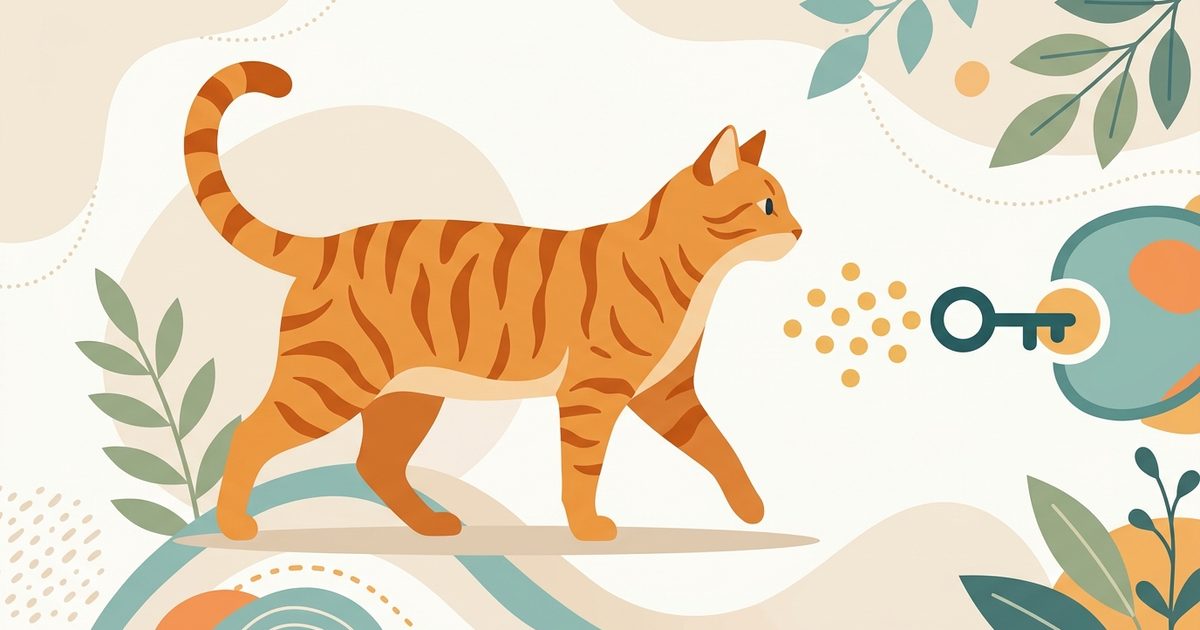
When a cat eats, its digestive system breaks the food down into glucose, a simple sugar that circulates in the bloodstream as the body's main fuel. To get into the cells, glucose needs insulin — a hormone that acts like a key, unlocking the cell door so sugar can pass through. In Type II diabetes, the cell's locks stop recognizing the key, a state called insulin resistance: the pancreas keeps producing insulin, but the cells no longer respond to it properly. Glucose piles up in the bloodstream while the cells themselves go underfed, and that mismatch is the root of every symptom that follows.
Why Type II dominates in cats
The overwhelming majority of feline diabetes cases — most estimates put it at roughly 90–95% — are Type II, mirroring the pattern seen in adult-onset human diabetes. It is adult-onset, insulin-resistant, and strongly linked to lifestyle factors such as excess weight, high-carbohydrate diet, and low activity. Type I diabetes, in which the pancreas produces little or no insulin (often autoimmune in origin), is comparatively rare in cats. The exact percentages vary by source and population studied, but the broad picture is consistent: Type II is the dominant form, and it is the one most strongly shaped by controllable factors. You can read a fuller overview from International Cat Care, which covers diabetes mellitus in cats in depth.
What happens if glucose stays high
When blood glucose stays elevated, the body tries to clear the surplus the only way it can: the kidneys flush excess sugar out through the urine, dragging water with it — which is why the cat drinks and urinates more. Because the cells remain underfed, the body breaks down muscle and fat for emergency fuel, producing the hallmark weight loss despite a ravenous appetite. Left untreated, the energy-starved body can tip into diabetic ketoacidosis, a serious and potentially life-threatening complication. That possibility is the reason this guide keeps returning to one point: early recognition and a prompt vet visit genuinely change the trajectory — not to frighten, but to underline why acting on the first signs matters.
What Puts a Cat at Risk?
Obesity is the single biggest risk factor for feline diabetes — an overweight cat is several times more likely to develop it. Older cats, males, inactive indoor cats, and cats on a high-carbohydrate diet are also at higher risk, but weight is the lever owners can actually move.
Some cats seem almost built for diabetes, and once you see the pattern it becomes a lot less mysterious. The risk factors cluster together — a heavy, sedentary, middle-aged indoor cat eating dry food is the classic profile — but they are not a verdict. They are signals, and most of them are movable. Understanding what puts a cat at risk is the first step in recognizing the signs of diabetes in cats before the disease takes hold.
Obesity — the #1 risk
Excess body fat does not just sit on a cat; it actively drives insulin resistance, the exact mechanism behind Type II diabetes. Fat tissue changes how cells respond to insulin, so the more fat a cat carries, the harder the body has to work to keep glucose in check. Estimates vary by source, but an obese cat is generally several times more likely to become diabetic than a lean one — some studies put the multiplier around three to fourfold. What makes this the most important risk factor is not just that it is the strongest, but that it is also the most controllable. Of all the things that nudge a cat toward diabetes, body weight is the one an owner can genuinely change. Our guide to healthy cat weight walks through body-condition scoring and safe, gradual weight loss.

Age and sex
Most cats diagnosed with diabetes are middle-aged and older — typically somewhere in the eight-to-thirteen-year range. Males are diagnosed more often than females. These are tendencies, not certainties: biology is complex, and plenty of young cats and females develop the disease. But if you have an older male cat who has also been gaining weight, the risk profile is worth knowing about, not because it guarantees anything, but because early attention is cheap and late disease is not.
Inactivity and indoor lifestyle
A sedentary indoor life raises diabetes risk, but mostly through weight. Cats that move less tend to carry more fat, and that fat drives the insulin resistance described above — the risk travels through body condition, not directly through laziness. The practical takeaway is simple: regular interactive play keeps a cat lean, and a lean cat is a safer cat. There is no need to moralize indoor living; it just means play has to be offered on purpose.
Diet — carbohydrate load
Cats are obligate carnivores, evolved to run on protein and fat rather than carbohydrate. A diet heavy in dry food — which is often high in carbs to hold its kibble shape — can stress a cat's glucose regulation over years of daily meals. A lower-carbohydrate, higher-protein diet is associated with lower diabetes risk, and once a cat is diagnosed it becomes a core part of management. For the broader picture of feline nutrition, see what cats eat; the portion-control principles in how much to feed a kitten carry across life stages.
Other medical factors
A few things outside lifestyle can precipitate diabetes: long-term corticosteroid use, pancreatitis, and a hormonal condition called acromegaly. These are vet-identified, not owner-diagnosed — which is why regular wellness blood work matters, especially for older cats on medication.
What Are the Symptoms of Cat Diabetes?
The classic trio is increased thirst, increased urination, and weight loss despite a strong appetite — often with growing lethargy. Some cats also show weakness in the hind legs. Any one of these, especially together, is a reason to book a vet visit.
Cat diabetes symptoms rarely arrive all at once; they tend to creep in over weeks. What makes them easy to miss is that some of them — a bigger appetite, a cat drinking more — can look, at first glance, like signs of a healthy cat. It is the combination and the direction of change that give the pattern away. A cat eating more but getting thinner is the signature that should stop you in your tracks.
Drinking and urinating more
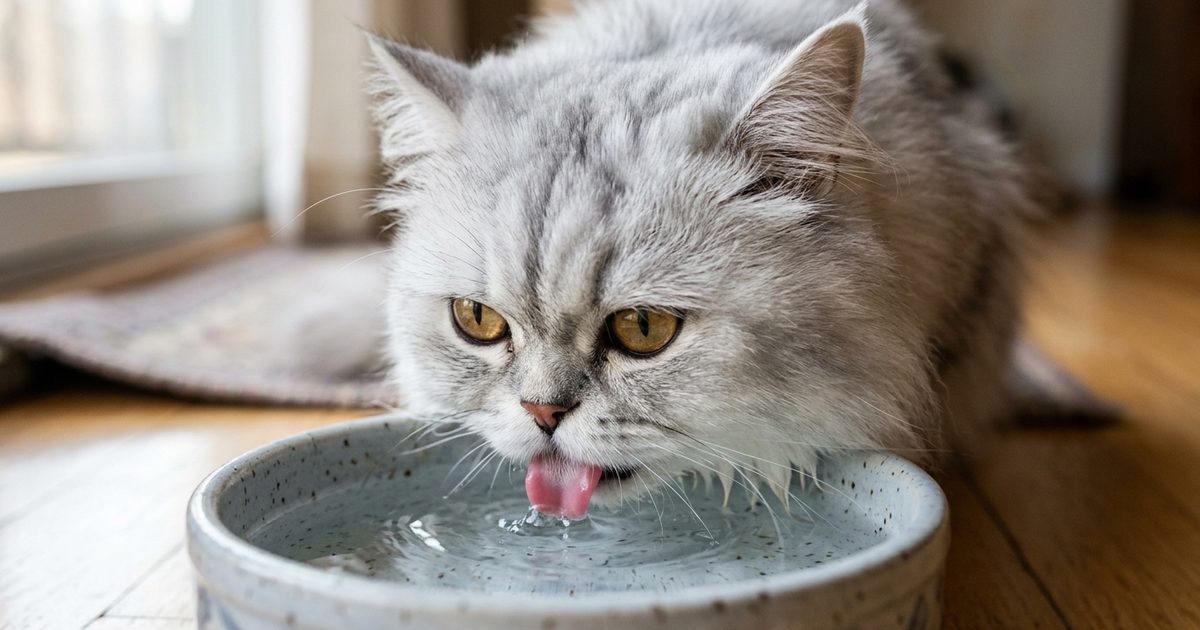
When blood glucose runs high, the kidneys try to dump the excess sugar through urine — and glucose drags water with it. So the cat loses fluid, drinks more to replace it, and the litter box fills faster than usual. Owners usually notice it first as unusually heavy litter clumps, or finding themselves refilling the water bowl far more often. Increased thirst and urination are shared with other serious conditions, notably kidney disease, which produces almost the same sign for a completely different reason. Only a vet, with blood and urine tests, can tell them apart.
Eating more but losing weight
This is the most counterintuitive symptom, and often the one that finally sends owners to the vet. Because glucose cannot get into the cells, the body is starving at a cellular level even while the cat eats voraciously. With no fuel reaching the cells, the body breaks down muscle and fat for energy — so the cat may be perpetually hungry yet visibly thinner. That "hungry but thin" pattern is a hallmark of diabetes. It is also shared by hyperthyroidism, which drives appetite and weight loss too, though usually with restlessness rather than thirst. Only the vet workup separates them.
Lethargy and weakness
When cells are chronically underfed, energy drops. A diabetic cat may sleep more, play less, and grow reluctant to jump onto surfaces it once reached easily. In some cats, prolonged high glucose affects the nerves — particularly the hind legs — leading to a characteristic plantigrade stance where the cat walks on its hocks rather than its paws. That flat-footed hind-leg gait is striking when you see it, and it is one of the more specific outward signs of advanced disease.
Other possible signs
A coat that has gone dull or matted, because grooming drops off as the cat feels worse. Recurrent infections — skin, urinary, or dental — that seem to linger. Occasionally, an unusual or slightly sweet smell to the breath. None of these is diagnostic on its own. It is the cluster that counts: a cat showing two or three of these signs at once is a cat that needs a vet visit, not a wait-and-see.
When it becomes an emergency
Sudden collapse, refusing food, vomiting, or profound, unresponsive lethargy can signal diabetic ketoacidosis — a life-threatening complication of untreated diabetes. This is a same-day emergency, not a tomorrow appointment. If you see these signs, call your vet or the nearest emergency clinic immediately. The Cornell Feline Health Center has guidance on recognizing urgent warning signs in diabetic cats.
How Do Vets Diagnose Diabetes in Cats?
A vet confirms diabetes with blood and urine tests — persistently high blood glucose, glucose in the urine, and a fructosamine test that reflects average glucose over recent weeks. None of these is something an owner can do at home; diagnosis belongs to the vet.
The cat diabetes symptoms you notice at home — the drinking, the weight loss, the hunger — are what bring you to the clinic. But symptoms alone are not a diagnosis, because several conditions mimic this same cluster. The vet's job is to confirm whether glucose is genuinely staying too high, and the workup is built around three tests that each look at blood sugar from a different angle.
Blood glucose — and why one reading is not enough
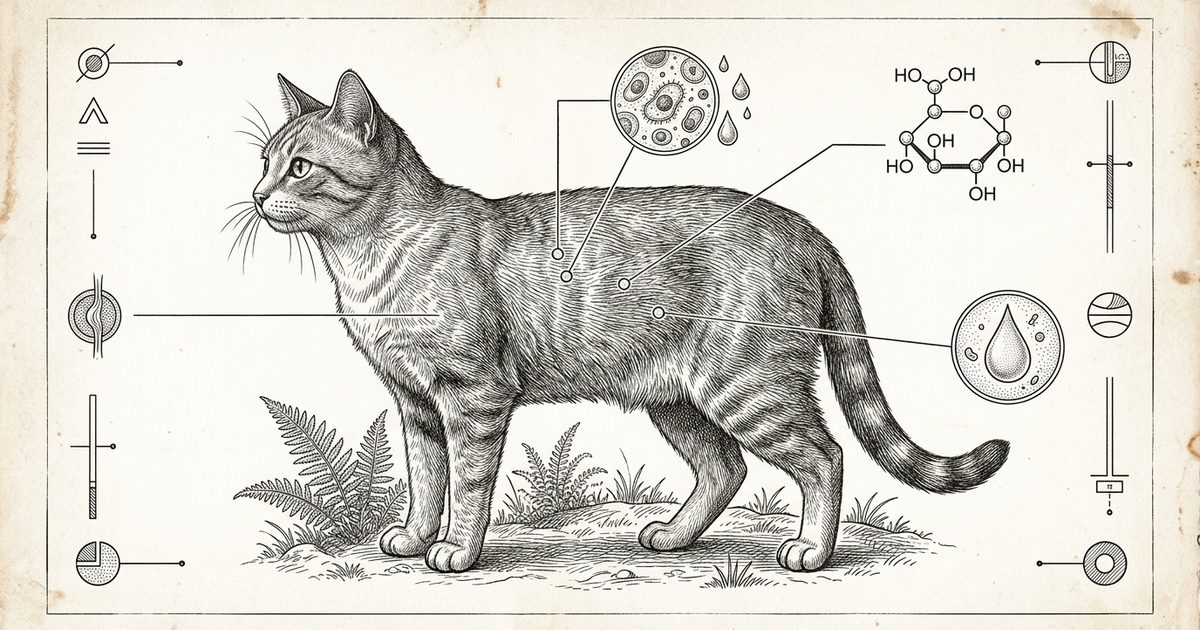
A single blood-glucose reading is where the workup starts, but it is never where it ends. Here is the catch: a stressed or frightened cat can spike a blood-glucose reading dramatically, sometimes well into the diabetic range, purely from the stress of the car ride and the clinic itself. Vets call this stress hyperglycemia, and it is common enough that one high number is treated as suggestive, not diagnostic. So if your cat's first reading comes back high, that is not a verdict — it is a reason to run the next test. You can read more about how Cornell's Feline Health Center approaches feline diabetes diagnosis on their overview page.
Fructosamine — the long-view test
This is the confirmatory test, and it is clever. Fructosamine is a protein in the blood that glucose sticks to, and the more glucose that has been circulating, the more sticks. Because the protein hangs around for roughly one to two weeks, a fructosamine reading reflects your cat's average blood glucose over that window — not a single stressed moment. That is exactly what cuts through the noise of a stress spike. If fructosamine is high, glucose has been sustained too high for too long, and the diagnosis becomes solid.
Urinalysis
Blood tells half the story; urine tells the other half. When blood glucose climbs high enough, the kidneys can no longer hold onto it and sugar spills into the urine — a sign that blood sugar has been sustained well above normal. In more serious cases the urine also shows ketones, byproducts of the body burning fat for fuel, which signals the diabetes has advanced further. A clean urine sample paired with the blood picture together make the diagnosis robust rather than dependent on one number.
What else the vet checks
Glucose is not the whole picture, because cats rarely develop only one thing. The vet will usually check kidney values, thyroid hormone, and pancreatic markers at the same time — these systems overlap and sometimes coexist with diabetes. A cat with kidney disease or hyperthyroidism can present with almost identical signs, and treatment planning needs the full picture, not just the glucose number.
How Is Feline Diabetes Managed and Treated?
Feline diabetes is managed, not cured, with twice-daily insulin injections, a low-carbohydrate diet, weight control, and regular glucose monitoring at home. Many cats live comfortable, near-normal lives — and some even achieve remission where insulin is no longer needed.
Hearing "diabetes" lands hard, and then the worry sets in: injections, schedules, what this means for your cat's life. The honest version is that management is a real daily commitment, but it is also one of the more treatable chronic diseases a cat can have. Well-managed diabetic cats play, cuddle, and keep their personality — and a meaningful number improve so much that medication can eventually be reduced or stopped. International Cat Care's owner guidance on living with a diabetic cat walks through the day-to-day in practical detail.
Insulin injections — the cornerstone
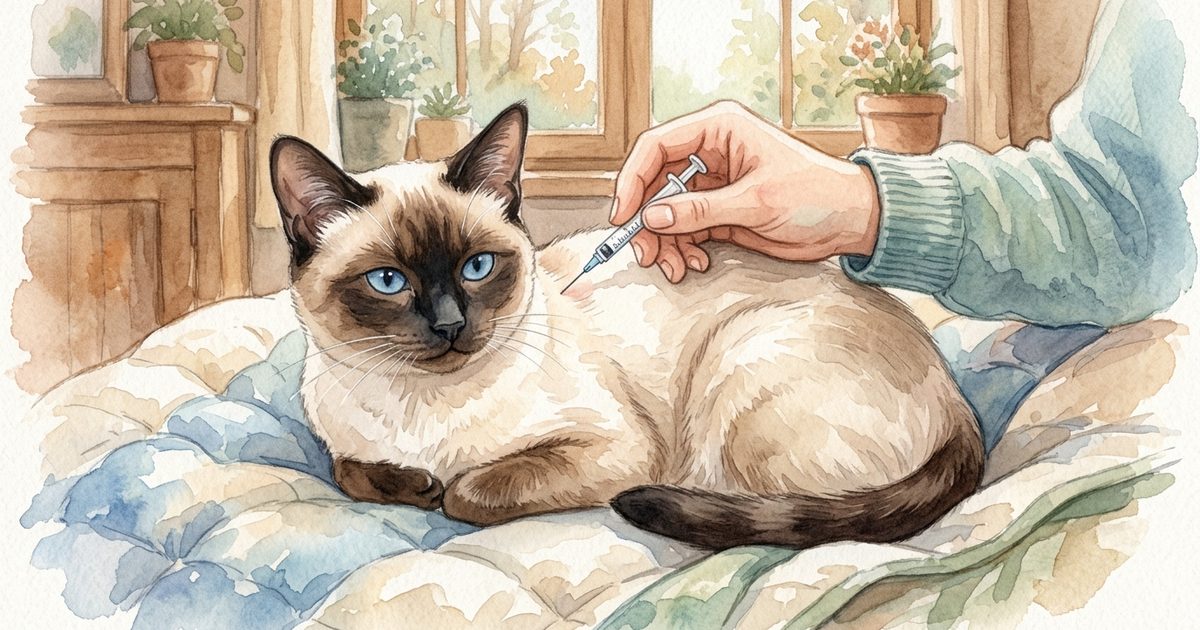
For almost all diabetic cats, insulin is the foundation of treatment, given by a small subcutaneous injection — typically twice a day, twelve hours apart, around mealtime. The needle is genuinely tiny, finer than most owners expect, and the vast majority of cats barely notice it once the routine is set. Almost every owner who starts out terrified of needles finds, within a week or two, that giving the injection is the easiest part of the day.
One point worth setting straight: you may hear that cats can take insulin as a pill. They cannot. Insulin is a protein, and stomach acid destroys it before it can do anything useful, so injection is the only route that actually works. (Some oral medications exist as adjuncts in select cases, but insulin remains the standard and always the vet's call.) The exact type, dose, and schedule are set and adjusted by your vet based on your cat's response — never self-prescribed and never borrowed from another pet, even another diabetic cat. Doses are not interchangeable.
Diet — low-carb, high-protein
Food is the second pillar, and for diabetic cats it matters almost as much as insulin. Therapeutic low-carbohydrate, high-protein wet diets help stabilize blood glucose across the day and, in some cats, genuinely lower the amount of insulin they need. The reasoning ties back to feline physiology: cats are obligate carnivores built to run on protein and fat, not on the carbohydrate load that dry food delivers meal after meal. For the broader picture of what cats eat, the same low-carb logic that supports a healthy cat supports a diabetic one even more. Your vet chooses the specific therapeutic food — food for cats with diabetes is a medical decision, not a shelf pick.
Weight management
If your diabetic cat is also overweight — and many are, since obesity is the single biggest risk factor — gradual, controlled weight loss becomes a core part of treatment, not an optional extra. Dropping excess body fat directly improves insulin sensitivity, meaning the insulin your cat does take works better. The keyword is gradual: cats must never be crash-dieted, because rapid fasting can trigger a serious liver condition called hepatic lipidosis. A slow, vet-guided weight-loss plan is the safe path, and our cat weight guide covers the body-condition scoring behind it.
Monitoring at home
Treatment only works if you can see what it is doing, which is why home monitoring sits alongside insulin and diet. The classic method is a glucose curve — small ear-prick blood samples taken through the day to map how glucose rises and falls — and where available, continuous glucose monitors are making this far easier and less invasive. You also track the everyday signals: appetite, weight, water-bowl refills, litter-box output. This monitoring tells your vet whether the dose is right and, just as importantly, protects against hypoglycemia — blood sugar dropping too low, the main day-to-day risk of insulin therapy. If you ever see wobbliness, shaking, disorientation, or collapse, that is too-low glucose: offer food if the cat can eat, and call your vet immediately.
Remission — real, but not promised
Here is the hopeful part, told honestly. Some cats — especially those diagnosed early, started promptly on insulin, switched to a low-carb diet, and brought back to a healthy weight — enter diabetic remission. Their own insulin response recovers enough that they no longer need injections, sometimes for months or years. It is a genuine and documented outcome. It is also not a guarantee, and chasing it as an expectation can set you up for frustration. The healthiest frame is this: follow the plan consistently, give your cat the best shot at remission, and treat it as the best possible outcome rather than the promised one.
Can Cat Diabetes Be Prevented?
You can sharply lower the risk by keeping your cat at a healthy weight, feeding a low-carbohydrate high-protein diet, and keeping the cat active — because obesity is the single biggest driver. Prevention is not a guarantee, but weight control is the lever that matters most.
You cannot eliminate feline diabetes entirely — genetics, age, and other medical factors still play a role. But you can meaningfully shift the odds, and the levers that work are the same ones that protect against most chronic disease in cats: a lean body, food that suits an obligate carnivore, movement, and regular vet eyes on the cat. None of it is exotic. The hard part is consistency, not complexity.
Weight control — the master lever
A lean cat is far less likely to become insulin-resistant than an overweight one. Excess body fat actively drives the insulin resistance that underlies Type II diabetes, so keeping your cat at a healthy body condition is the single highest-impact thing you can do across its whole life. That means regular body-condition checks — you should be able to feel the ribs without pressing hard — and portion control rather than a constantly full bowl. The how-to lives in our cat weight guide, including body-condition scoring and realistic weight-loss programs. This isn't a one-time effort; it's a habit that compounds over years.
A lower-carb, higher-protein diet
Cats are obligate carnivores, and their metabolism is built around protein and fat, not carbohydrates. A diet closer to that physiology — higher in protein, lower in carbohydrate — places less glycemic stress on the body over the years, which is one reason it's associated with lower diabetes risk. For cats prone to weight gain, portioned meals work better than free-feeding, because a self-regulating appetite is the exception in modern indoor cats, not the rule. The broader picture of what cats eat and the portioning principles in how much to feed a kitten carry across life stages — the kitten schedule becomes the adult portion habit.
Activity and enrichment
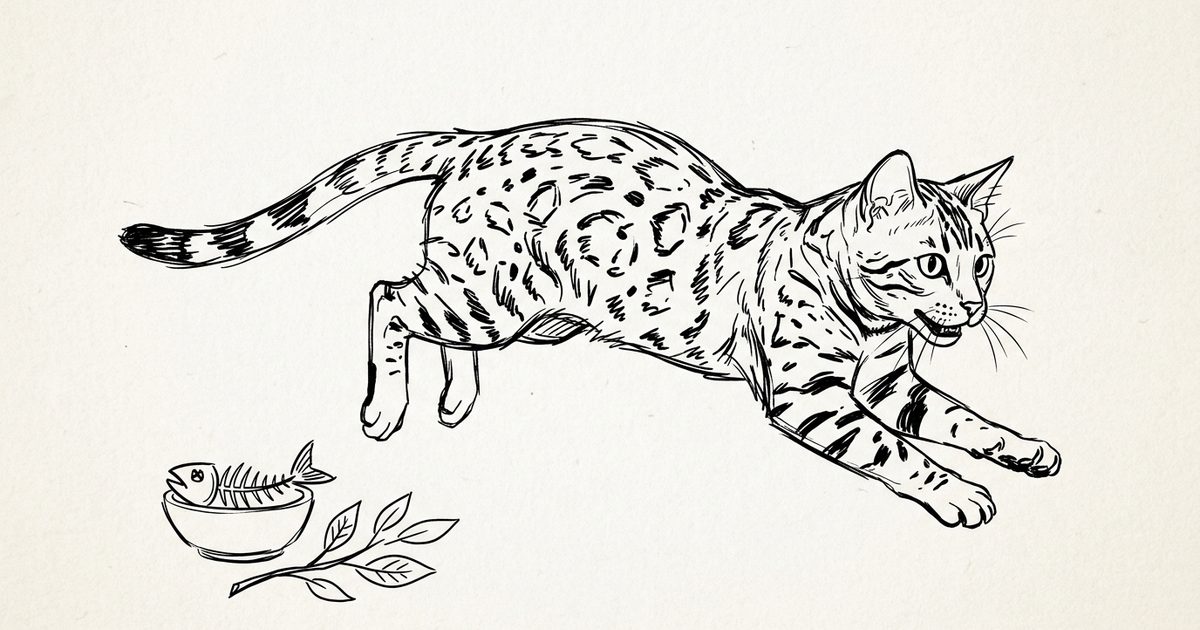
Daily interactive play keeps weight down and the metabolism healthy. Wand toys, chasing, climbing to a tall perch, puzzle feeders that make a cat work a little for food — these aren't extras, they're how an indoor cat gets the movement its body expects. There's no single mandated regimen; what matters is that the cat moves most days. A bored, sedentary cat tends to become an overweight cat, and from there the risk path is well worn.
Vet checkups
Regular wellness visits catch the early signals — creeping weight gain, subtle blood-work changes — long before they become disease. A yearly checkup is cheap insurance against a chronic condition that demands daily insulin for life. Early signals are inexpensive to act on. Late disease is not.
Cat Diabetes at a Glance — Summary
| Question or situation | Short answer |
|---|---|
| What is feline diabetes? | Almost always Type II — cells stop responding to insulin, so glucose builds up in the blood |
| The #1 risk factor | Obesity — an overweight cat is several times more likely to develop it |
| The classic symptom triad | Increased thirst, increased urination, and weight loss despite a strong appetite |
| How it is diagnosed | Blood glucose, urinalysis, and a fructosamine test — confirmed by the vet, not at home |
| The main treatments | Twice-daily insulin, a low-carb high-protein diet, weight control, and home glucose monitoring |
| Whether it is curable | Not curable, but manageable — and some cats enter remission and no longer need insulin |
| Whether it can be prevented | Not guaranteed, but risk drops sharply with a lean weight, low-carb diet, and activity |
| When it is an emergency | Sudden collapse, not eating, vomiting, or profound lethargy — possible diabetic ketoacidosis; same-day vet |
Curious What Your Cat Would Say?
Upload a photo and get a warm, personalized reading from your cat's perspective.
Start Your Free ReadingFrequently Asked Questions
What are the first signs of diabetes in a cat?
The earliest signs are usually increased thirst, heavier litter-box clumps, and weight loss despite a stronger appetite — often paired with growing lethargy. A cat eating more but getting thinner is the signature pattern. If you notice two or three of these together, book a vet visit rather than waiting.
Can a cat survive with diabetes?
Yes. Feline diabetes is serious and lifelong, but it is one of the more manageable chronic diseases a cat can have. With twice-daily insulin, a low-carb diet, weight control, and home monitoring, many cats live comfortable, near-normal lives for years. It is not a death sentence.
How does a vet diagnose feline diabetes?
A vet confirms it with blood and urine tests — persistently high blood glucose, glucose spilling into the urine, and a fructosamine test that reflects average glucose over the past one to two weeks. Because stress alone can spike a single reading, the vet pairs tests rather than relying on one number. Diagnosis belongs to the vet, not the owner.
Do diabetic cats need insulin injections?
Almost always. Insulin is a protein that stomach acid destroys, so it cannot work as a pill — diabetic cats receive it by a small subcutaneous injection, typically twice a day around mealtimes. The needle is genuinely tiny and most cats barely notice it once the routine is set. The exact dose is always set and adjusted by the vet.
Can cat diabetes go into remission?
Some cats do, especially those diagnosed early and started promptly on insulin, a low-carb diet, and weight loss. Their own insulin response recovers enough that injections are no longer needed, sometimes for months or years. It is a real and documented outcome, but not a guarantee — follow the plan and treat remission as the best possible result, not the promised one.
Is obesity really the main cause of diabetes in cats?
Obesity is by far the single biggest risk factor — an overweight cat is several times more likely to become diabetic, because excess body fat directly drives insulin resistance. But it is not the only cause. Age, sex, inactivity, diet, and other medical factors also contribute, and lean cats are occasionally diagnosed too.
What do you feed a cat with diabetes?
A therapeutic low-carbohydrate, high-protein diet — usually wet food — helps stabilize blood glucose and can lower the amount of insulin a cat needs. Cats are obligate carnivores built to run on protein and fat, not the carbohydrate load of dry kibble. The specific therapeutic food is a veterinary decision, not a shelf pick.
How can I prevent my cat from getting diabetes?
You cannot eliminate the risk entirely, but you can sharply lower it. The highest-impact lever is keeping your cat lean through portion control and body-condition checks, paired with a lower-carb higher-protein diet and daily interactive play. Regular wellness vet visits catch creeping weight gain and blood-work changes before disease develops.
When is cat diabetes an emergency?
Sudden collapse, refusing food, vomiting, or profound unresponsive lethargy can signal diabetic ketoacidosis — a life-threatening complication of untreated diabetes. This is a same-day emergency, not a tomorrow appointment. If you see these signs, call your vet or the nearest emergency clinic immediately.
Sources & References
You Might Also Like
Kitten Teething: Timeline, Symptoms & How to Help
Kitten teething runs from 3 to 7 months as baby teeth fall out. Learn the timeline, signs to watch for, and how to soothe a teething kitten safely.
15 min readWhen Do Cats Stop Growing? A Complete Timeline
When do cats stop growing? Most cats reach adult size by 12-18 months, but large breeds like Maine Coons keep growing until 3-4 years. Full timeline inside.
14 min readCan Cats Eat Cherries? Flesh, Pit & Toxicity Facts
Can cats eat cherries? Pitted flesh is safe in tiny amounts — but the pit, stem, and leaves are toxic (cyanide precursors). Learn what's safe and what isn't.
15 min read