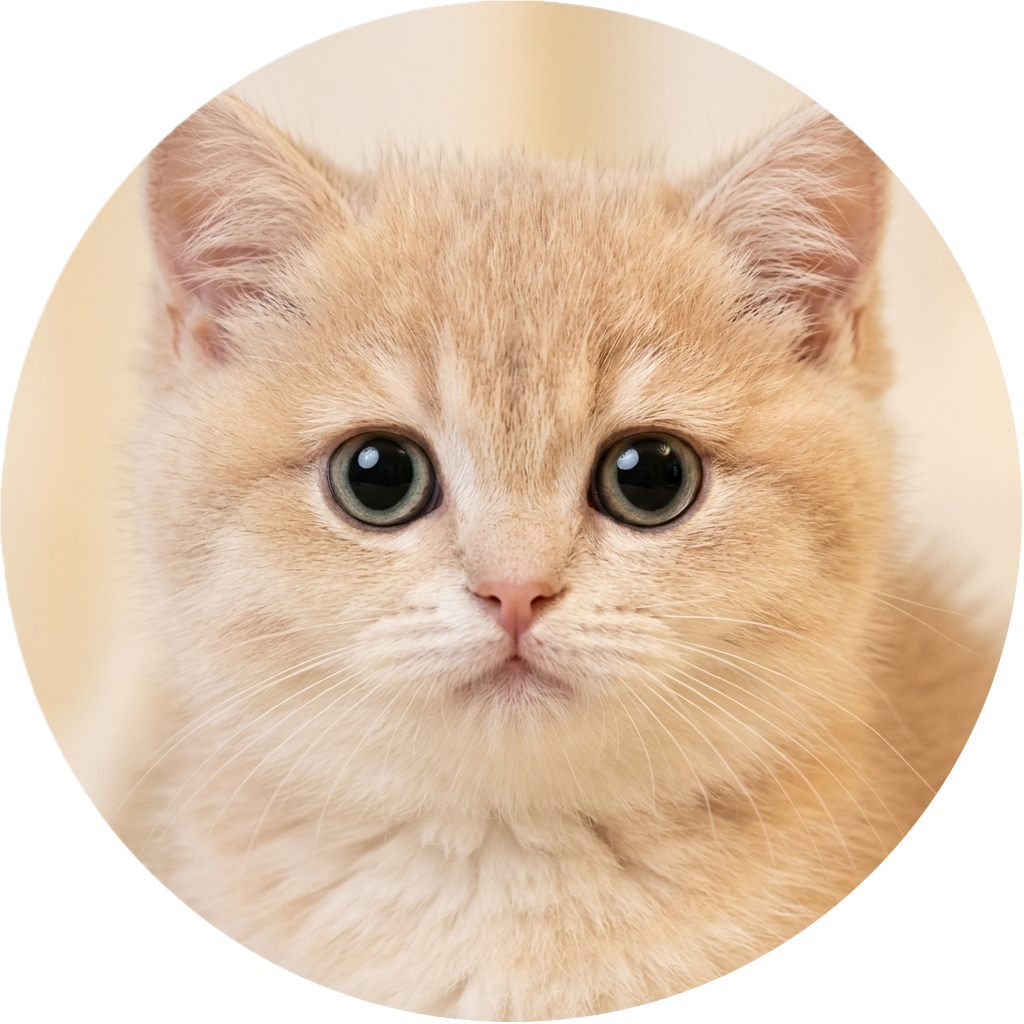
Cat Food Safety
Can Cats Eat It?
Search every common human food to see at a glance whether it's safe, needs caution, or is toxic to cats — then read the full vet-grounded guide for the details.
Cats have a different metabolism than humans, so foods that are harmless to us can be dangerous to them — and vice versa. A few foods, like chocolate, grapes and raisins, onions, and garlic, are genuinely toxic and can cause serious harm. Many others are safe only in moderation, only when cooked, or only in certain parts.
Use this database as a quick check — then read the full guide for the nuance. Every entry is researched and cites authoritative veterinary sources.
37 foods
Apples
SafeFlesh is safe in tiny amounts — never the seeds, core, or stem.
Full guide →
Avocado
CautionThe flesh is mildly toxic (persin) and the pit is a real danger.
Full guide →
Bacon
CautionNot toxic, but high in salt, fat, and preservatives.
Full guide →
Bananas
SafeNon-toxic, but high in sugar and not a natural cat food.
Full guide →
Blueberries
SafeNon-toxic, low in sugar — one of the better fruit treats.
Full guide →
Bread
SafePlain baked bread is non-toxic in tiny amounts; raw dough is dangerous.
Full guide →
Broccoli
SafeNon-toxic and safe in tiny amounts.
Full guide →
Carrots
SafePlain cooked carrots are safe as a rare treat.
Full guide →
Celery
SafeNon-toxic in tiny amounts; the strings are a choking hazard.
Full guide →
Cheese
CautionMost cats are lactose-intolerant; some cheeses are safer than others.
Full guide →
Chicken
SafePlain cooked chicken is one of the safest human foods for cats.
Full guide →
Chocolate
ToxicToxic — theobromine and caffeine can cause serious harm.
Full guide →
Corn
SafePlain cooked kernels are safe in small amounts but offer little nutrition.
Full guide →
Dog Food
CautionA few kibbles won't harm, but dog food is nutritionally wrong for cats.
Full guide →
Eggs
SafeCooked eggs are a safe, protein-rich treat in moderation.
Full guide →
Garlic
ToxicEven tiny amounts are toxic — damages red blood cells.
Full guide →
Grapes & Raisins
ToxicToxic — can cause acute kidney failure.
Full guide →
Ham
CautionSmall amounts of plain cooked ham aren't toxic, but high in sodium.
Full guide →
Ice Cream
CautionA tiny lick won't harm, but not recommended — lactose, sugar, sweeteners.
Full guide →
Milk
CautionMost adult cats are lactose-intolerant — the milk-saucer myth.
Full guide →
Mushrooms
CautionStore-bought plain ones are safe; wild mushrooms can be deadly.
Full guide →
Onions
ToxicToxic in every form — raw, cooked, dried, or powdered.
Full guide →
Peaches
SafeFlesh is safe in tiny amounts — the pit, leaves, and stems are hazardous.
Full guide →
Pineapple
SafeFlesh is non-toxic in tiny amounts, but high in sugar.
Full guide →
Popcorn
CautionPlain air-popped only, 1–2 pieces — no butter, salt, or caramel.
Full guide →
Potatoes
CautionPlain cooked potato is safe in tiny amounts — RAW and GREEN potatoes are toxic.
Full guide →
Pumpkin
SafePlain cooked pumpkin is one of the few human foods vets recommend.
Full guide →
Raw Meat
CautionBiologically plausible, but vets advise against it due to bacteria and parasites.
Full guide →
Rice
SafePlain cooked white rice is safe in small amounts.
Full guide →
Salmon
SafePlain cooked salmon is safe and rich in omega-3 — as an occasional treat.
Full guide →
Shrimp
SafePlain cooked shrimp is safe as a rare treat; never raw.
Full guide →
Strawberries
SafeNon-toxic and safe in small amounts, but high in sugar.
Full guide →
Tomatoes
CautionRipe red tomatoes are safe in small amounts; green tomatoes and leaves are toxic.
Full guide →
Tuna
CautionOkay as an occasional treat, never a staple — mercury and addiction risk.
Full guide →
Turkey
SafePlain cooked turkey is a safe, lean protein.
Full guide →
Watermelon
SafeFlesh is non-toxic and hydrating in tiny amounts; avoid rind and seeds.
Full guide →
Yogurt
CautionPlain unsweetened yogurt is tolerable in tiny amounts.
Full guide →
Sources & Methodology
Every verdict is drawn from authoritative veterinary sources — primarily the ASPCA Animal Poison Control, the Cornell Feline Health Center, the Merck Veterinary Manual, International Cat Care, and PetMD — then condensed into a quick-glance rating:
- Safe (green): non-toxic and fine in moderation as an occasional treat.
- Caution (amber): safe only in specific forms, amounts, or preparations — read the full guide.
- Toxic (red): do not feed; can cause serious harm.
Each entry links to a full, cited guide with the specific sources for that food. This database is educational and not a substitute for professional veterinary advice.
This database is educational and summarizes each food's safety at a glance. It is not a substitute for professional veterinary advice — if your cat eats something concerning, contact your vet or a pet poison helpline immediately.