Can Cats Drink Milk? The Truth Behind the Classic Cat Myth
Can cats drink milk? It's one of the most searched questions about cats, and the honest answer surprises most people — the saucer of milk is a cultural image, not a biological treat. Whether you're wondering can kittens drink milk, or asking why do cats like milk so much when it seems to upset them, the science points the same way. This guide breaks down what cats can actually drink, why milk causes trouble, and what to offer instead — without the guilt, because almost everyone was taught the milk-loving-cat image.
Key takeaways
- Most adult cats are lactose-intolerant — after weaning, they lose the enzyme needed to digest milk sugar, so cow's milk usually causes diarrhea and stomach upset.
- Kittens can digest lactose, but they need their mother's milk or a kitten milk replacer, never cow's milk, which is too low in the nutrients they need to grow.
- The only drink cats truly need is clean, fresh water; lactose-free cat milk can be an occasional treat, but it adds calories without real nutrition.
Cats and Milk — Quick Reference
| Question | Short answer | Safe? |
|---|---|---|
| Adult cats & cow's milk | Most are lactose-intolerant; causes GI upset | No |
| Kittens & cow's milk | Too low in nutrients; still causes diarrhea | No |
| Kittens & queen's milk | The natural, ideal food for nursing kittens | Yes |
| Lactose-free cat milk | Tolerated in small treat-sized portions | Occasionally |
| Water | The only drink cats actually need | Yes |
| Other dairy (cheese, butter) | Tiny tastes only; calorie-dense, low benefit | Rarely |
Can Cats Drink Milk? The Short Answer
Most adult cats should not drink cow's milk. After weaning, the majority lose the enzyme that breaks down lactose and become lactose-intolerant — so a saucer of milk usually causes diarrhea, gas, and stomach pain rather than the treat people imagine.
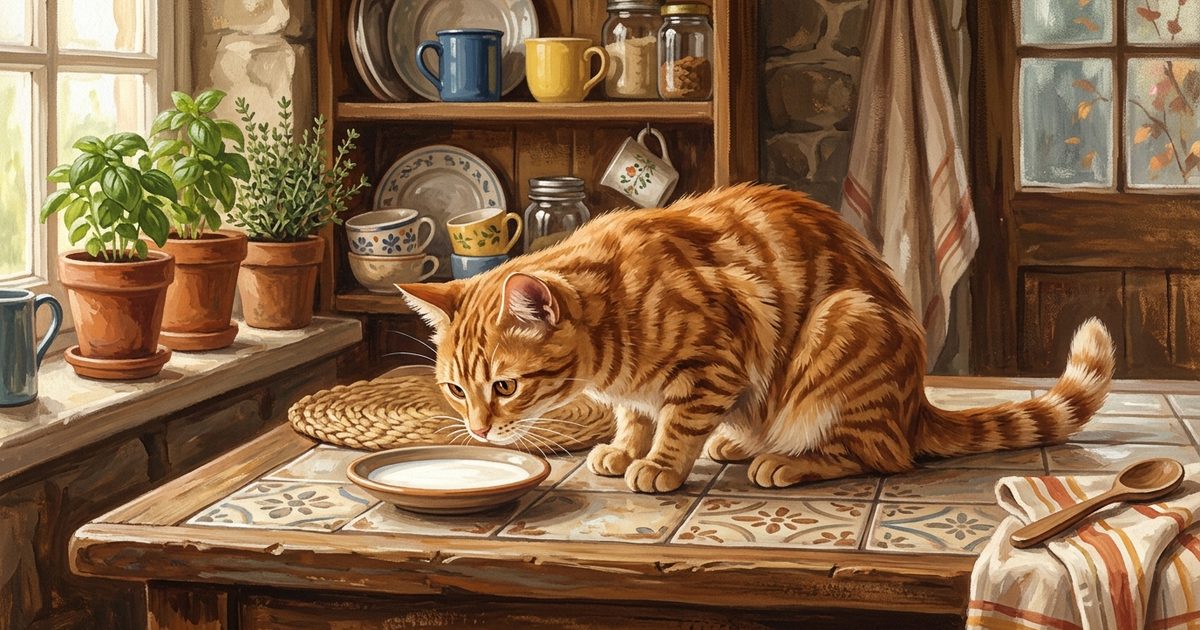
If you only take one thing from this article, take that. The warm, familiar image of a cat lapping milk from a saucer is everywhere — children's books, cartoons, vintage advertising — but the biology behind it tells a different story. Most grown cats simply don't have the equipment to handle cow's milk comfortably.
The one-sentence verdict
For most adult cats, the answer is no — cow's milk is not a safe everyday drink. Their bodies no longer produce enough lactase to break down the milk sugar lactose, so what looks like a treat often arrives hours later as a litter-box problem. The only drink cats genuinely need is clean, fresh water, which supports hydration on its own and alongside the moisture in what cats eat. If you want to offer something special, a small amount of lactose-free cat milk, formulated for feline digestion, is the one common option most cats can tolerate occasionally. Even then, it's a treat, not a staple.
Why this surprises people
It's genuinely surprising because the cultural image is so strong — cats and milk feel like a matched pair. Generations grew up seeing farm cats lapping cream from saucers in books and on screen, and cats do eagerly drink milk when offered, which makes the myth feel self-confirming. But a cat eagerly drinking something and a cat digesting it well are two different things. Cats are drawn to the fat and the novelty, not because their bodies handle it. None of this means owners who offered milk were wrong or unkind — they were following a story everyone was told. We unpack where that story came from, and why it stuck, later in the myth section.
Are some cats okay with milk?
Yes — a minority of adult cats retain more lactase activity than average and seem to tolerate small amounts of milk without obvious upset. Individual tolerance varies widely, and age, breed, and overall gut health all play a role that isn't fully mapped. But even for a cat that handles milk fine, there's a second question worth asking: what does the milk actually offer? The honest answer is very little. Cow's milk adds calories and a little fat without providing any nutrition that a balanced cat food doesn't already deliver, and the Cornell Feline Health Center notes that cats, as obligate carnivores, have no dietary requirement for milk or dairy. So even a tolerant cat isn't missing anything by skipping it. If you do offer a taste, keep it small, watch the litter box, and never let milk replace water or food. International Cat Care puts it plainly: milk is a treat for the occasional cat, not a healthy daily drink for the species.
Why Is Milk Bad for Most Cats? The Lactose Problem
So, is milk bad for cats? Kittens produce lactase to digest their mother's milk, but production drops sharply after weaning, so most adults cannot break down lactose. Cow's milk also carries more lactose than cat milk, and its fat and protein ratios are wrong for feline digestion, compounding the upset.
The short answer to can cats drink milk hides a precise piece of biology. It isn't that milk is poisonous or that cats are uniquely broken — it's that a single enzyme switches off at a predictable age, and the milk we tend to pour comes from the wrong animal entirely. Understanding the mechanism tells you why the saucer causes trouble and, just as importantly, why it doesn't always.
Lactase and the weaning switch
Lactase is the enzyme that breaks lactose — milk sugar — into sugars the gut can absorb. Newborn kittens make plenty of it, because their entire diet is milk. Around 8 to 12 weeks of age, as a kitten shifts onto solid food, lactase production falls off steeply. This is normal mammal biology, not a defect: once the body no longer needs to digest milk, it stops maintaining the machinery. Humans who are lactose-intolerant went through the exact same shutdown; so did most adult dogs. For the full weaning timeline and what to expect at each week, see our guide to newborn kitten care.
Why cow's milk is the wrong milk
Even if a cat kept some lactase, cow's milk would still be a poor match. Cat milk is richer — higher in fat and protein to fuel rapid growth — whereas cow's milk is comparatively watery and built around a calf's slower development. So when a cat laps cow's milk, she's getting a liquid that's high in the sugar she digests least and low in the fat and protein she actually needs. The Cornell Feline Health Center reminds owners that cats are obligate carnivores whose digestive tract is tuned to animal protein and fat, not the lactose-heavy liquid designed for a grazing species.
What "lactose-intolerant" actually means here
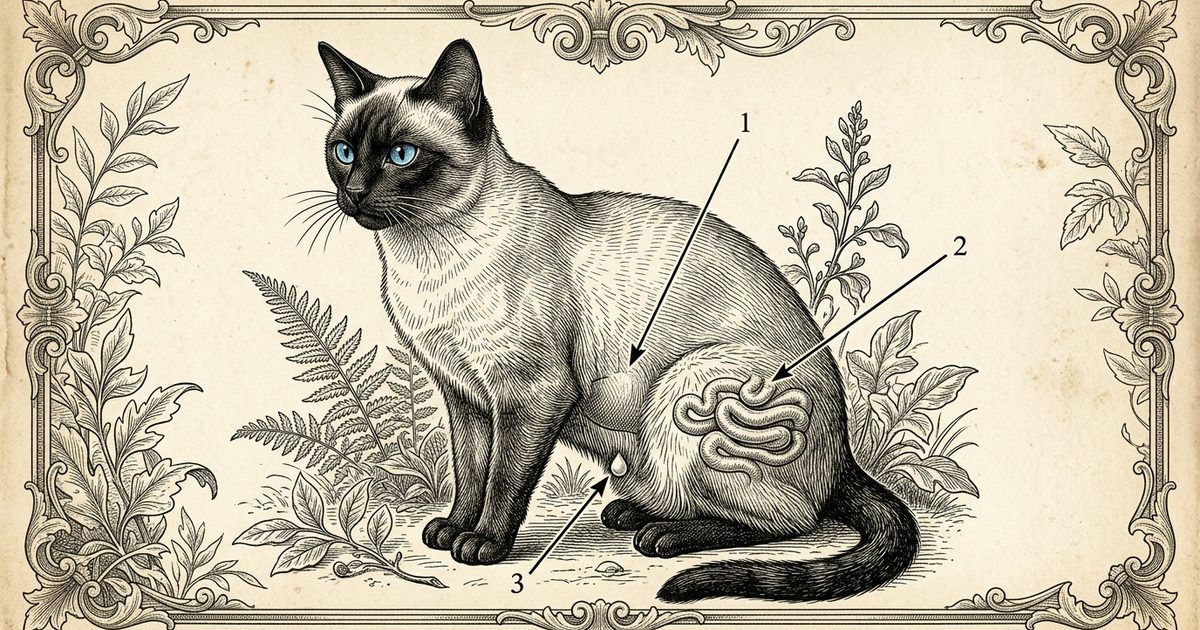
When undigested lactose reaches the colon, two things happen. Gut bacteria ferment it, producing gas — the bloating, gurgling, and flatulence owners sometimes notice. And the unabsorbed sugar draws water into the bowel, loosening the stool into diarrhea. This is the same chain of events that hits a lactose-intolerant person who drinks a milkshake: not an allergy, not a toxin, just food the body can't finish processing. The discomfort is real but mechanical, and it usually passes once the milk works its way through.
Is it toxic or just uncomfortable?
Milk is not poisonous to cats. Nothing in fresh cow's milk damages organs or threatens a cat the way genuinely toxic foods do — for a stark contrast, compare it to chocolate, which is truly dangerous. The harm from milk is digestive: an upset stomach, loose stools, and gas that clear on their own in most adults. You don't need to panic if your cat sneaks a few laps, but it's worth treating milk as an accident to prevent, not a treat to offer.
Can Kittens Drink Milk? What They Should Actually Drink
Kittens can digest lactose, but they should drink their mother's milk or a kitten milk replacer — never cow's milk. Cow's milk lacks the protein, fat, and calories growing kittens need, and it still causes diarrhea, which is dangerous for a small, fast-dehydrating kitten.
It's tempting to read "kittens have lactase" and conclude the saucer is fine for them. The biology says yes; the nutrition says no. A kitten's gut can handle lactose, but the liquid coming out of a carton is the wrong fuel for an animal that should be doubling its weight in a matter of weeks.
Kittens have lactase — but cow's milk still fails them
This is where biology and nutrition part ways. A kitten's lactase lets her absorb the lactose in cow's milk without the obvious diarrhea an adult gets. But not getting diarrhea is a low bar. Cow's milk is simply too low in protein, fat, and total calories to support a kitten's growth rate, and kittens fed cow's milk as a primary food can fail to thrive — underweight, weak, falling behind their milestones. For the specifics of bottle-feeding position, nipple flow, and burping, see our newborn kitten care guide; the short version is the bottle should hold formula, not milk from the fridge.
Queen's milk: the gold standard
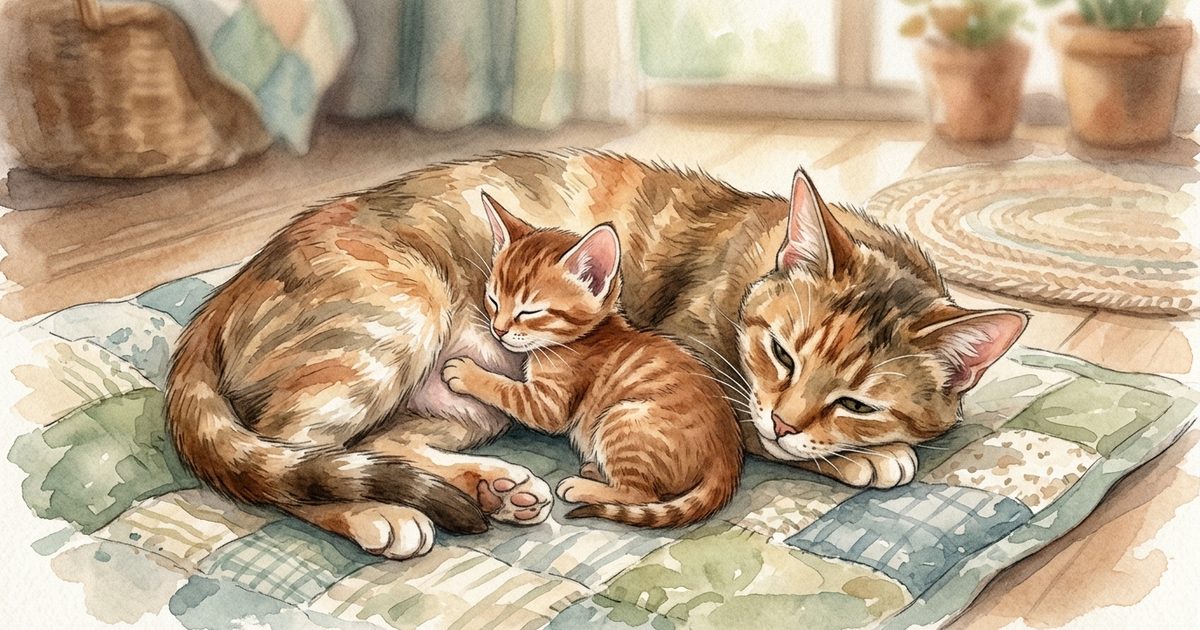
The milk a mother cat (the queen) produces is tailor-made for kittens: dense in protein and fat, balanced in minerals to build bone, and — in the first day or so — loaded with colostrum, the antibody-rich first milk that hands the kitten a starter immune system. No commercial product fully replicates it, which is why a nursing queen is always the best option when she's healthy and present. Queen's milk isn't just food; it's a kit of protection a kitten can't get anywhere else.
Kitten milk replacer (KMR): the right substitute
When the queen isn't available — orphaned kittens, rejection, or a large litter — the correct substitute is a kitten milk replacer, usually labeled KMR. It's a powder or canned liquid formulated to mimic queen's milk's protein, fat, and calorie profile, sold at pet stores and vet clinics and warmed to roughly body temperature for feeding. Avoid homemade recipes found online; well-meaning mixtures of evaporated milk and egg yolk have landed kittens with diarrhea and nutritional gaps. For how much to feed and how often per week of age, follow the schedule in our how much to feed a kitten guide.
When to start weaning onto solid food
Weaning typically begins around four weeks. Start with a thin gruel of kitten milk replacer moistening high-quality canned kitten food, then gradually thicken it toward plain wet food over a couple of weeks. As milk's share of the diet shrinks, the lactase drop described above begins — another reason the transition is biologically timed rather than something to delay.
What Happens If a Cat Drinks Milk? Signs to Watch
Within hours of drinking milk, a lactose-intolerant cat may develop diarrhea, bloating, gas, vomiting, and visible discomfort. Symptoms are usually mild and self-limiting, but persistent diarrhea or a kitten becoming lethargic or dehydrated is a clear reason to call the vet.
Common symptoms and timing
Signs of milk-related upset typically appear within about 8 to 12 hours of the saucer being emptied — roughly the time it takes undigested lactose to travel into the colon and start fermenting. The most common signs are loose stools, a gurgling or noisy stomach, flatulence, and a reduced appetite; some cats simply go quiet and curl up. In mild cases, the episode passes on its own within a day as the gut clears the offending sugars, and the cat is back to normal shortly after.
When milk-related GI upset needs a vet
Most milk reactions are uncomfortable rather than dangerous, but a few signs move it past "wait and see." Call your vet if diarrhea lasts more than 24 to 48 hours, if you see blood in the stool, if vomiting is repeated, or if your cat becomes lethargic or shows signs of dehydration — dull gums, skin that stays tented when lifted, or sunken eyes. Kittens and seniors dehydrate quickly because of their small fluid reserves, so a mild episode can tip into something serious faster in them. For the full picture on causes, red flags, and triage, see our guide to cat diarrhea.
What to do right after an accidental saucer
If your cat got into a saucer of milk, the steps are simple. Remove access to any remaining milk, offer plenty of fresh water, and feed their normal food at the next meal — nothing new or rich. Then keep an eye on the litter box over the following 12 to 24 hours. Avoid the temptation to give human anti-diarrheal medications; products safe for people can be harmful to cats. If symptoms are severe, persistent, or your cat seems unwell, call your vet rather than waiting it out.
Why even "a little" isn't always safe
It's tempting to assume a small taste is harmless, but tolerance varies a great deal between individual cats. A cat that handles a teaspoon fine may still react to a tablespoon, and sensitive cats can show symptoms from very small amounts. The gas, bloating, and flatulence that come with milk are the same mechanism behind the broader question of whether cats fart — and they can appear even when a cat seems to lap the milk eagerly.
What Can Cats Drink Instead of Milk? Safer Options
The best drink for cats is clean, fresh water — always. For a treat, small amounts of lactose-free cat milk, a spoonful of lactose-free yogurt, or tiny tastes of some dairy can be tolerated, but they add calories without nutrition and should never replace water or food.
Water: the only drink cats actually need
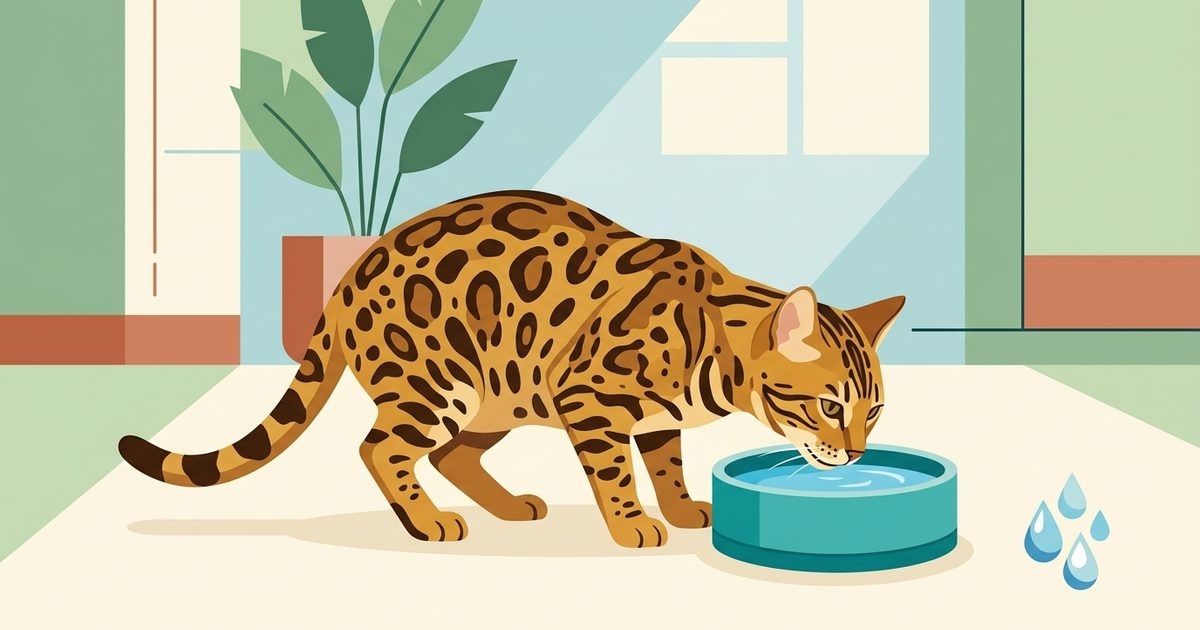
Water is not the boring choice — it's the complete one. Cats evolved to get much of their hydration from prey, which is why many cats drink less than you'd expect; a diet that includes wet food contributes a meaningful amount of water on its own. A clean bowl refreshed daily is the baseline, and many cats drink more from a fountain, since moving water appeals to the feline instinct to avoid stagnant sources. For the wider picture of how hydration fits into a balanced feline diet, see our guide on what cats eat.
Lactose-free cat milk (the "cat milk" products)
When owners ask what kind of milk can cats drink, the honest answer is almost none — but lactose-free cat milk is the one commercial product formulated specifically for cats, with the lactose already broken down so it doesn't trigger the usual upset. It differs from cow's milk in both lactose content and nutrient balance, and it's positioned as an occasional treat rather than a daily drink. The catch is calories: cat milk is energy-dense, and regular portions can quietly push a cat toward weight gain. It's the same logic that applies to cheese as a treat — dairy can be offered, but in measured, treat-sized amounts.
Other dairy that may be tolerated in tiny amounts
Some cats handle small amounts of certain dairy because fermentation and aging reduce lactose. A small spoon of plain yogurt, a lick of hard cheese, or a taste of cream cheese can be tolerated by some cats — emphasis on small, and on "some." All of these are calorie-dense and nutritionally unnecessary, so they're treats, not supplements. The same caution applies to butter: it's fat without the lactose load, but still best in minimal quantities. International Cat Care reminds owners that treats and extras should make up only a small fraction of a cat's daily intake.
Drinks to never give a cat
A few drinks should never reach a cat's bowl. Flavored or sweetened milks carry sugars and additives cats don't need; plant milks like almond or oat often contain thickeners, sweeteners, or — most dangerously — xylitol, which is toxic. Coffee and tea contain stimulants that cats cannot metabolize safely, and alcohol is toxic in any amount. If you're unsure whether a drink is safe, the safest answer is always water.
Why Do We Think Cats Love Milk? The Myth Explained
The milk-loving cat comes from farm life, early cartoons, and 20th-century advertising — when cats lapped cream far richer than today's supermarket milk. Cats may crave the fat, but the modern low-fat milk we pour is mostly the lactose they can't digest.
Where the image came from
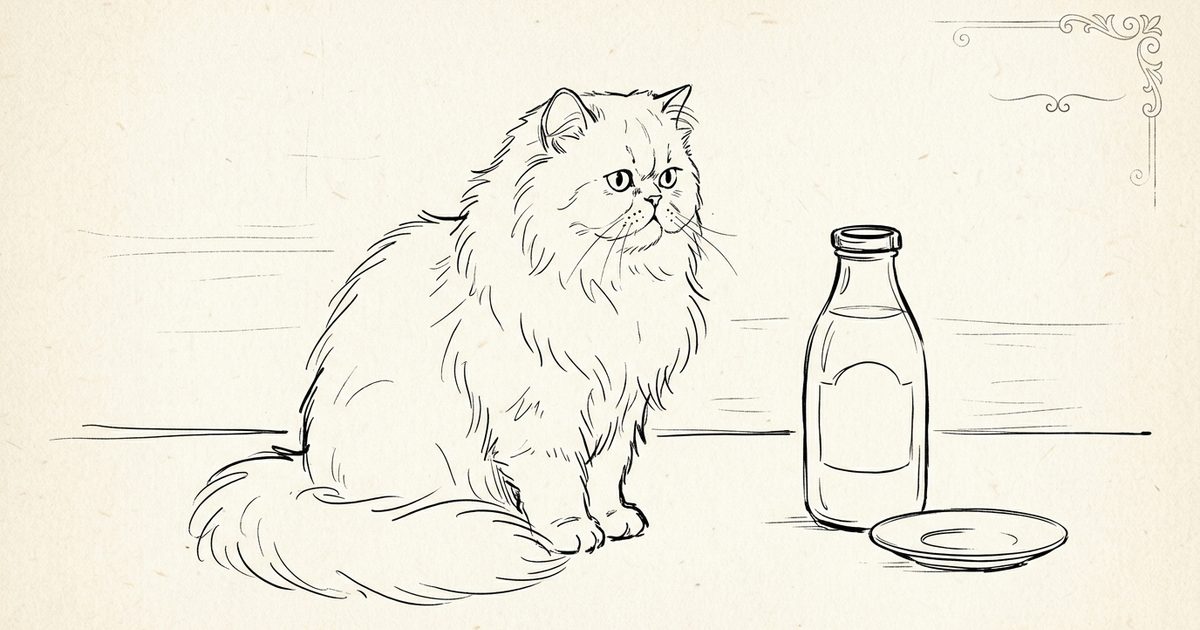
For most of human history, the cat at the dairy pail was a working animal, not a pet being spoiled. Farm cats kept barns free of mice and were paid, in part, in milk straight from the pail — but that milk was raw and un-homogenized, and the cream rose to the top. What a barn cat actually lapped was high-fat, energy-dense cream, the part a hungry working cat would naturally seek out. That reality froze into our cultural picture: Tom and Jerry, children's storybooks, mid-century print ads for dairy and pet food — all showing a delighted cat with a saucer. The image is everywhere because it was useful to everyone selling milk, cartoons, or affection.
Why "she loves it" doesn't mean "it's good for her"
Cats are drawn to fat and to novelty, and milk delivers both — the eager licking is real, but it's an appetite signal, not a safety signal. A cat will drink something with enthusiasm that her digestive tract cannot actually handle, and the gap between appeals to a cat and agrees with a cat is exactly where the trouble lives. So if you've offered milk out of love, you weren't being careless; you were doing what every cartoon, every book, and every smiling milk ad taught you to do. The myth is gentle, and so is the correction — you can read more on feline feeding basics from the Cornell Feline Health Center.
The real risk of the myth
The quiet danger isn't a single dramatic illness; it's chronic, low-grade stomach upset that an owner may never connect to the milk. A cat who has loose stools every few weeks, mild gas, or off-and-on poor appetite may simply be reacting to the "treat" she's given out of kindness — and because cats hide discomfort, the pattern is easy to miss. Kittens are especially vulnerable, since diarrhea dehydrates a small body fast. The kind fix is the simple one: reach for the safer drinks covered above, and if symptoms persist, check our guide to cat diarrhea for when to call your vet.
Milk and Cats at a Glance — Summary
| Question | Short answer |
|---|---|
| Can adult cats drink cow's milk? | Most can't — most adults are lactose-intolerant |
| Can kittens drink cow's milk? | No — use queen's milk or kitten milk replacer |
| Why does milk upset cats? | Low lactase after weaning leaves lactose undigested |
| Is any milk safe as a treat? | Small amounts of lactose-free cat milk, occasionally |
| What should cats drink daily? | Clean, fresh water — that's all they need |
| Do cats like milk because it's good for them? | No — they're drawn to the fat, not the safety |
| Are goat's or plant milks safer? | Not automatically — both still carry risks for cats |
| Is milk toxic like some human foods? | No — it's uncomfortable, not poisonous |
Curious What Your Cat Would Say?
Upload a photo and get a warm, personalized reading from your cat's perspective.
Start Your Free ReadingFrequently Asked Questions
Can adult cats drink cow's milk?
Most adult cats should not drink cow's milk. After weaning, the majority lose the enzyme that breaks down lactose and become lactose-intolerant, so a saucer of milk usually causes diarrhea, gas, and stomach upset rather than a treat.
Can kittens drink cow's milk?
No. Kittens can digest lactose, but they need their mother's milk or a kitten milk replacer — never cow's milk, which is too low in the protein, fat, and calories they need and still triggers diarrhea, which is dangerous for a small kitten.
Why does milk give my cat diarrhea?
Once lactase drops after weaning, the lactose in milk reaches the colon undigested. Gut bacteria ferment it into gas, and the unabsorbed sugar draws water into the bowel, loosening the stool into diarrhea within about 8 to 12 hours.
What kind of milk can cats drink safely?
The only drink cats truly need is clean, fresh water. For an occasional treat, small amounts of lactose-free cat milk are tolerated by most cats — but it adds calories without real nutrition and should never replace water or food.
Is lactose-free cat milk okay as a treat?
Yes, in small, treat-sized portions and only occasionally. Lactose-free cat milk is formulated so it doesn't trigger the usual upset, but it's energy-dense, so regular portions can quietly push a cat toward weight gain.
What should I do if my cat drank milk?
Remove any remaining milk, offer plenty of fresh water, and feed their normal food at the next meal. Then watch the litter box for 12 to 24 hours. Never give human anti-diarrheal meds, and call your vet if symptoms are severe, persistent, or your cat seems unwell.
Why do cats like milk if it's bad for them?
Cats are drawn to the fat and to novelty, so they drink milk eagerly — but eager lapping is an appetite signal, not a safety signal. A cat can love something her digestive tract can't actually handle, which is exactly where the trouble lives.
Is goat's milk or plant milk safer for cats than cow's milk?
Not automatically. Goat's milk still contains lactose, and plant milks like almond or oat often carry thickeners, sweeteners, or — most dangerously — xylitol, which is toxic to cats. Water plus an occasional taste of lactose-free cat milk is the safer pair.
Sources & References
You Might Also Like
Kitten Teething: Timeline, Symptoms & How to Help
Kitten teething runs from 3 to 7 months as baby teeth fall out. Learn the timeline, signs to watch for, and how to soothe a teething kitten safely.
15 min readWhen Do Cats Stop Growing? A Complete Timeline
When do cats stop growing? Most cats reach adult size by 12-18 months, but large breeds like Maine Coons keep growing until 3-4 years. Full timeline inside.
14 min readCan Cats Eat Cherries? Flesh, Pit & Toxicity Facts
Can cats eat cherries? Pitted flesh is safe in tiny amounts — but the pit, stem, and leaves are toxic (cyanide precursors). Learn what's safe and what isn't.
15 min read