Cat Eye Infection: Symptoms, Causes & When to See the Vet
A cat eye infection is one of the most common reasons a worried owner ends up at the vet — and most of the time, that mildly weepy eye turns out to be something treatable. Whether it's a clear tear-track that could be a simple cat pink eye flare, a gooey discharge that signals a kitten eye infection, or redness that flares after a dust cloud, the eye is a delicate organ and a quick vet look is the safest path. The good news: once you know the patterns — clear versus colored discharge, squinting versus pawing — most eye problems in cats follow a small set of recognizable shapes, and recognising them early usually means a shorter, gentler recovery.
Key takeaways
- Most cat eye infections are viral (feline herpesvirus leads), but bacteria, allergies, and corneal scratches cause similar signs — the discharge color and urgency clues help you tell them apart.
- A mildly weepy eye is common and often treatable, but eyes can deteriorate within hours, so a vet visit is the safe default rather than "wait and see."
- Never use human eye drops, contact-lens solution, or leftover pet medication in a cat's eye — some ingredients are toxic and steroid drops can rupture a corneal ulcer.
Cat Eye Signs — Quick Reference
| Sign | Likely meaning | Urgency |
|---|---|---|
| Clear, thin discharge | Early viral flare, allergy, or mild irritant | Monitor; book a routine vet check if it persists |
| Thick yellow, green, or brown discharge | Bacterial infection or a worsening condition | Book a vet appointment soon |
| Redness and swelling around the eye | Conjunctivitis — a sign, not a single diagnosis | Vet visit within a day or two |
| Squinting or holding the eye shut | Pain and light sensitivity; stronger than discharge alone | Same-day vet visit |
| Pawing or rubbing at the eye | Discomfort, or a scratch the cat is worsening | Same-day vet visit |
| Cloudy, blue-tinged, or dull cornea | Possible corneal ulcer or deeper disease | Urgent — do not wait |
| Sudden blindness or bumping into things | Serious ocular or systemic emergency | Emergency vet care now |
What Are the Signs of a Cat Eye Infection?
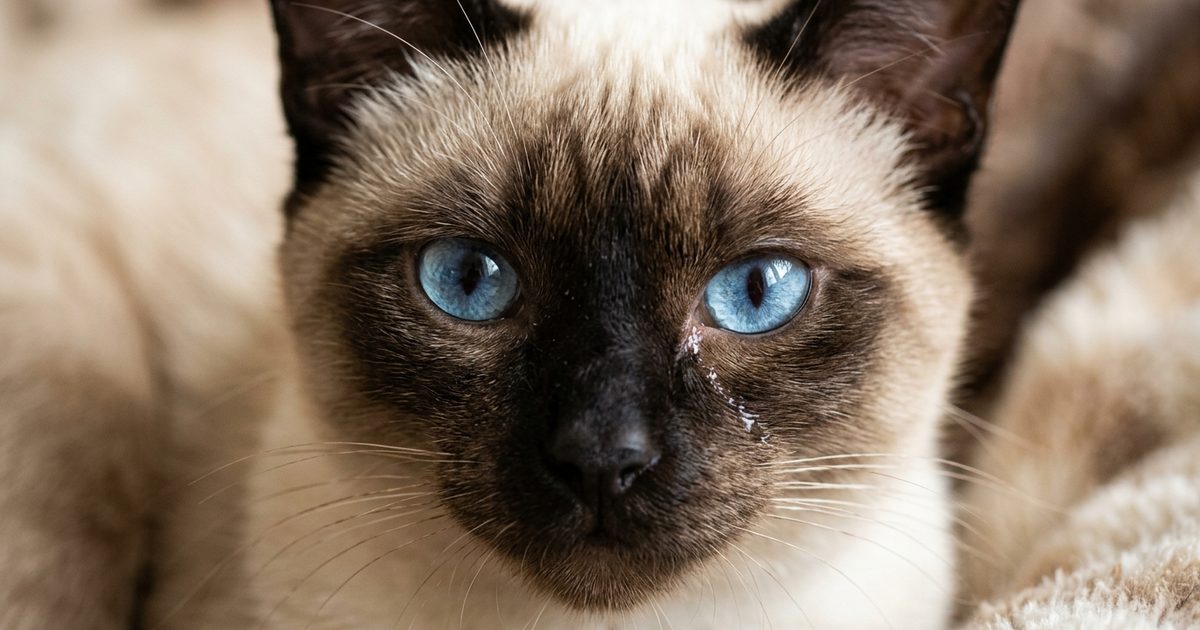
The main signs of a cat eye infection are discharge (clear, yellow, or green), redness and swelling of the tissues around the eye, squinting or holding the eye shut, pawing at the face, and a cloudy or dull-looking cornea. Any of these, alone or together, warrant a vet look.
A cat eye infection rarely arrives with a single dramatic symptom. More often it shows up as a cluster — a weepy eye that the cat keeps half-closed, a face it keeps rubbing against the furniture, and a look that something is simply off. Knowing the individual signs lets you notice early, when most eye problems are still simple and treatable.
Discharge — clear vs colored
The single most common sign of a cat eye infection is discharge, and its color is a genuinely useful triage clue. Clear, watery discharge can be early viral infection, an allergy, or a mild irritant — your cat's eye washing itself out. Thick, yellow, green, or brown discharge, by contrast, points more strongly to a bacterial infection or to a viral infection that has become secondarily infected. The shift from clear to colored is a sign the situation is progressing, not standing still.
Redness and swelling (conjunctivitis)
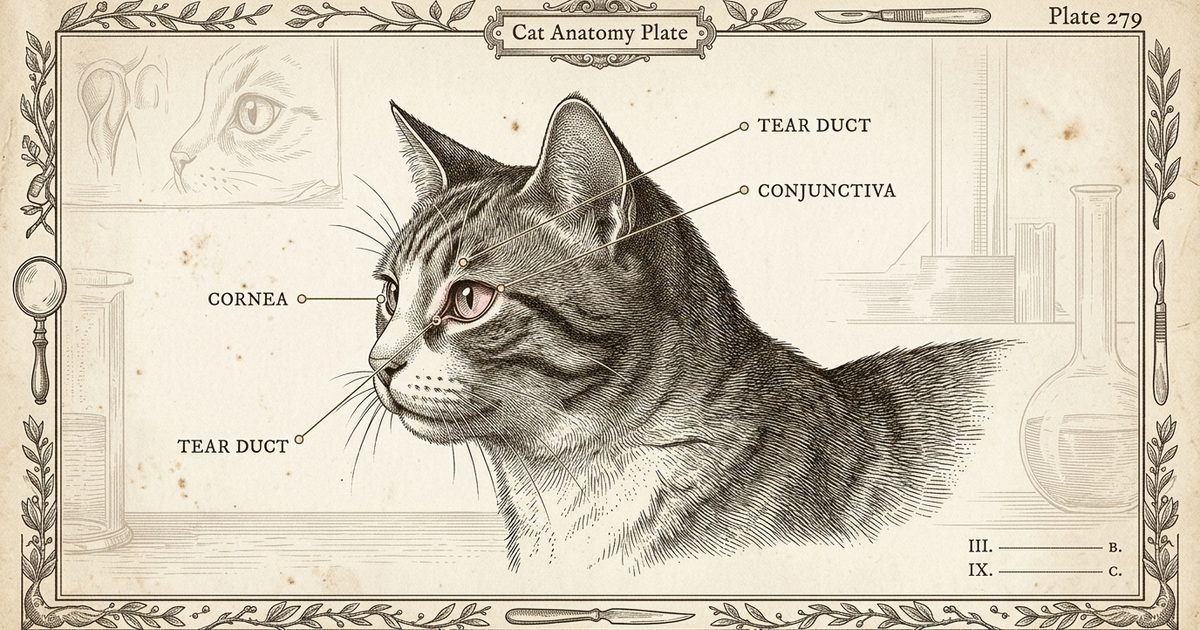
Inflamed, puffy tissue around the eye and lid is the classic "pink eye" look — and yes, cats get pink eye too, though feline conjunctivitis has its own causes. The conjunctiva, the thin membrane lining the eyelids and eye surface, becomes red and swollen when irritated or infected. One important nuance: conjunctivitis is a sign, not a single diagnosis. It tells you the eye is inflamed; it doesn't tell you why — that takes a vet.
Squinting, blinking, and holding the eye shut
A cat that holds one eye shut, or blinks one eye more than the other, is signaling pain or light sensitivity. Squinting is often a stronger indicator of trouble than discharge alone — cats will tolerate a weepy eye but will instinctively close an eye that hurts. If your cat is walking around with one eye half-lidded, that eye deserves attention today, not next week.
Pawing and rubbing at the eye
Discomfort often shows up as behavior before it shows up as anything visible. A cat pawing at its face, rubbing the affected eye against furniture or your leg, or shaking its head is trying to relieve irritation. The catch: pawing also causes further trauma. Claws can scratch an already-inflamed cornea, turning a mild problem into a worse one — a self-reinforcing loop worth interrupting.
Cloudiness or a dull cornea
A clear, bright cornea is the surface you want to see. If the cornea looks cloudy, blue-tinged, white-dull, or as if a film has settled over the eye, it can signal a corneal ulcer or deeper disease — and this one moves up the urgency scale. Cloudiness is rarely something to watch and wait on. International Cat Care notes that changes to the cornea's clarity are among the ocular signs owners should recognize and treat as a prompt for veterinary assessment.
What Causes Eye Infections in Cats?
Most cat eye infections are viral — feline herpesvirus is by far the most common cause — followed by calicivirus, bacterial infections, allergies, and trauma such as a scratch to the cornea. Kittens are especially prone because their immune systems are still developing.
A cat eye infection is a description of what's happening, not why. Behind the discharge and squinting sits a cause, and the cause shapes the treatment — antivirals, antibiotics, and supportive care each fit different culprits. Here are the main ones a vet will be sorting between.
Feline herpesvirus (FHV-1) — the leading cause
Feline herpesvirus type 1 (FHV-1) is the virus behind most cases of feline conjunctivitis and is the single most common cause of cat eye infections. Most cats are exposed to it at some point in their lives — often as kittens — and once infected, they carry the virus for life. It goes dormant, then flares up again during periods of stress: a move, a new pet, a change in routine, another illness. These flare-ups produce the familiar weepy, red, squinting eye that owners learn to recognize. We cover the biology, latency, and flare triggers in detail in our feline herpesvirus deep-dive.
Calicivirus
Feline calicivirus is the other major viral cause of cat eye infections. It tends to show up alongside respiratory signs — sneezing, nasal discharge — and is distinctive for often pairing with painful ulcers inside the mouth and on the tongue. A cat with a weepy eye plus drooling or reluctance to eat may be dealing with calici rather than herpes, though only a vet can confirm which.
Bacterial infections (Chlamydia, Mycoplasma, others)
Bacteria can cause eye infections on their own or move in secondarily after a virus has already inflamed the eye. Chlamydophila felis in particular is known for causing persistent conjunctivitis that lingers in one or both eyes. Bacterial infections are a key reason a vet may prescribe antibiotic eye drops or ointment — and a reason not every weepy eye is viral. Identifying the bacteria, when needed, usually involves a swab sent for testing.
Allergies and irritants
Not every red, watery eye is an infection. Pollen, household dust, perfumes, and cleaning products can all irritate a cat's eyes and produce redness, itchiness, and clear discharge — the hallmarks of an allergic response rather than infection. The giveaway: the discharge stays clear, both eyes are usually affected, and the cat is otherwise completely well. If the eye signs come and go with the seasons or with specific exposures, allergies are a strong suspect — see our full cat allergies breakdown for the broader picture.
Trauma and corneal scratches
Sometimes the cause isn't a microbe at all but a mechanical injury. A claw from a housemate, a branch on a walk, a dust particle, even a blade of grass can scratch the cornea. The signature is usually one eye, sudden-onset squinting and watering, with no preceding signs of illness. A scratch can ulcerate, deepen, and threaten vision, so it's urgent — and it's one of the reasons a vet will stain the eye during an exam to check for damage that isn't visible to the naked eye.
Why kittens are so vulnerable
Kittens are disproportionately affected by eye infections, and the reasons stack up. Their immune systems are still developing and have fewer defenses against the viruses they meet for the first time. Many kittens arrive in homes or shelters from crowded environments where herpesvirus and calicivirus spread easily. Their eyes themselves are still maturing, and a serious infection in a young kitten can scar or even cost an eye far faster than in an adult. The Cornell Feline Health Center treats kitten eye infections as one of the conditions owners should not delay in having examined — early treatment makes a disproportionate difference at this age.
Are Cat Eye Infections Contagious?
Viral eye infections — herpesvirus and calicivirus — spread easily between cats through shared bowls, grooming, sneezing, and close contact, so an infected cat should be isolated from housemates. They do not spread to people; bacterial forms are less contagious but still warrant hygiene.
How the viruses spread between cats
The two viruses behind most feline eye infections — feline herpesvirus and calicivirus — are highly efficient travellers. They move in eye and respiratory secretions, so a sneeze, a shared grooming session, a nose pressed into the same food bowl, or even discharge left on a favourite blanket can pass them along. Multi-cat homes, shelters, and rescues are the classic high-risk settings, simply because there are more opportunities for that exchange. Direct contact isn't the only route either: tiny droplet nuclei from a sneeze can drift short distances through the air before settling. According to the Cornell Feline Health Center, these viruses are among the most widespread infectious causes of feline upper respiratory and eye disease precisely because they transmit so readily between cats living closely together.
Isolate to protect other cats
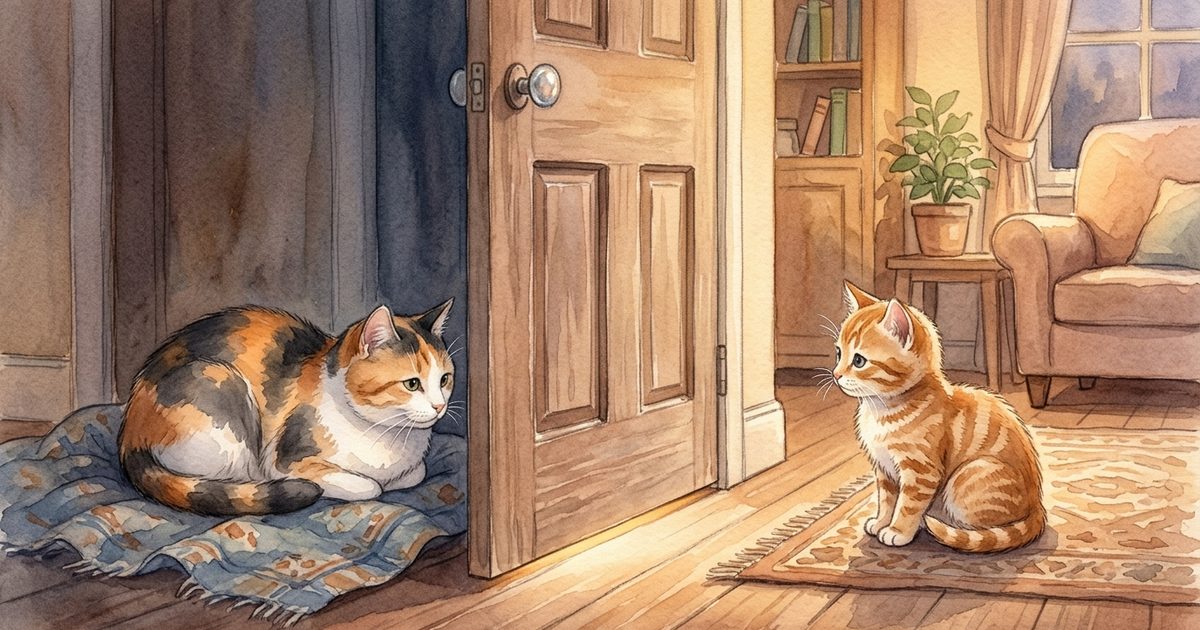
If one cat in your home has a weepy, red eye, the kindest move for the others is separation — today, not after it spreads. A quiet room with the door closed, food and water and a litter tray of its own, and separate bedding gives the infected cat a calm place to recover while cutting the chain of transmission. Wash your hands between handling each cat, change clothing if the sick cat has been in your arms, and don't swap bowls or toys between them. This kind of simple home quarantine is what shelters and rescue organisations rely on, and it works just as well in a family home. Most viral shedding slows within a couple of weeks, though a herpesvirus carrier can shed again later in life during a flare-up — something we explore in more depth in our guide to feline herpesvirus.
Can you catch it from your cat?
This is the question that worries owners most, and the reassuring answer is that the common causes of feline eye infection are species-specific. Feline herpesvirus and calicivirus infect cats, not people — you cannot catch them from your cat, and your cat cannot catch the human cold-sore herpesvirus from you. So if you've heard someone ask "can you get pink eye from a cat," the everyday answer is no: the things that give cats weepy eyes don't give humans pink eye. Cats can and do get their own version of conjunctivitis — what people loosely call cat pink eye — but it's a different set of germs operating in a different species.
When humans should still be careful
A few less common bacterial causes of eye disease can, in rare circumstances, affect people, so basic hygiene still matters. Wash your hands after cleaning your cat's eye or handling its discharge, avoid touching your own face, and if you live with someone who is immunocompromised, pregnant, or has a young infant, it's sensible to have them check with their own doctor as well as your vet. This is ordinary prudent hygiene, not cause for alarm — the default is that your cat's eye infection stays a cat problem.
What Can I Do at Home — and What Should I NOT Do?
Safe home care is limited: gently wipe away discharge with a cotton ball moistened with cooled boiled water or sterile saline, keep the eye area clean, and isolate a contagious cat. Do NOT use human eye drops, contact-lens solution, or leftover pet medication — some are toxic to cats and can damage the eye.
Gentle cleaning with saline or cooled boiled water
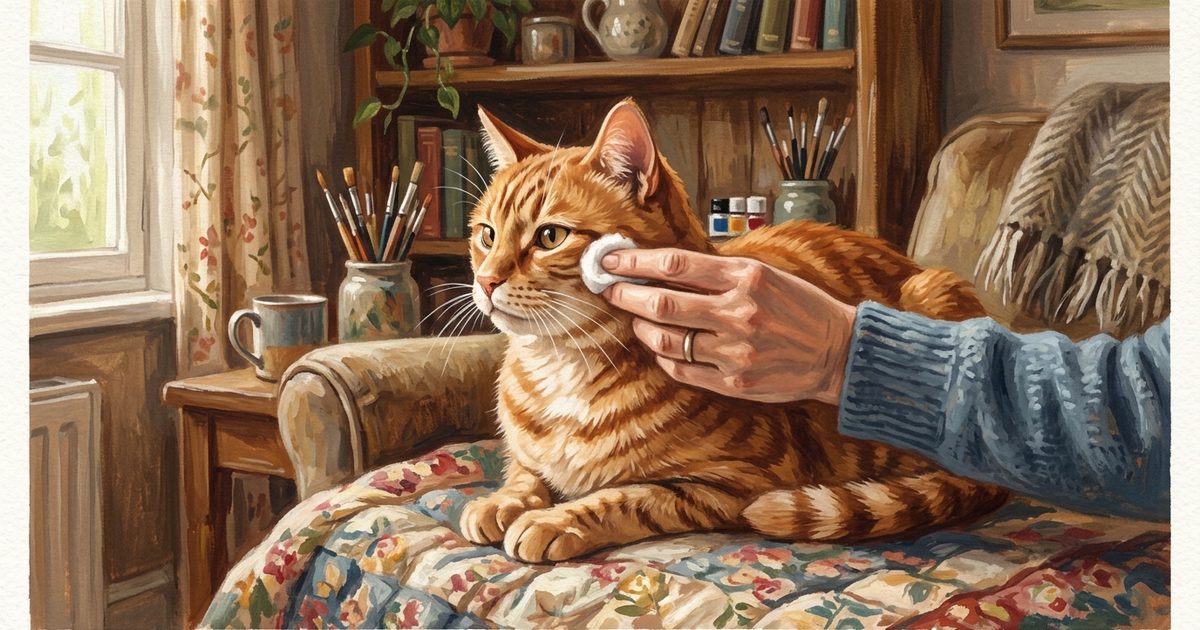
The one comfort measure that's genuinely safe is the simplest: a soft cotton ball, moistened with cooled boiled water or sterile saline, used to gently wipe away the crust and discharge that gathers around your cat's eye. Wipe from the inner corner outward, in one soft motion, and then discard that cotton ball — never reuse it on the same eye, and never carry it across to the other eye. The reason matters: if the discharge is infectious, you can unwittingly ferry germs from one eye to the other, or seed the healthy eye, with the very cloth you're using to clean up. Use a fresh ball for every wipe, and let the saline do the softening rather than scrubbing at a crust that's stuck. International Cat Care describes this kind of gentle, single-use cleaning as the most a home carer should attempt before a veterinary assessment.
Keep the cat comfortable while you wait
While you wait for your appointment, small comforts help. A squinting cat is often light-sensitive, so dimming the room or drawing the curtains takes the strain off a sore eye. If your vet has provided a soft cone (an Elizabethan collar) to stop pawing, use it — pawing at the eye is one of the ways a small scratch becomes a bigger problem. Keep food, water, and the litter tray close so your cat doesn't have to move far, and let it rest in a quiet spot where other pets won't bother it.
What NOT to put in a cat's eye
This is the rule to hold firmly: do not put anything in your cat's eye that wasn't prescribed by a vet for this specific eye, this specific time. That means no human eye drops — many contain preservatives, steroids, or decongestants from the imidazoline family (such as naphazoline or tetrahydrozoline) that are toxic to cats and can cause dangerous drops in blood pressure, collapse, or worse. It means no contact-lens solution, no cooled tea, no milk, no salt water you mixed yourself, and no essential oils anywhere near the eye. And it means no leftover antibiotic ointment from a previous cat, a previous illness, or a previous eye — eyes change, and a drop that was right last time may be wrong, even harmful, now. The single most dangerous mistake is reaching for a steroid-containing drop: if there's a corneal ulcer hiding under the redness, steroids can deepen it and, in the worst case, rupture the eye. Steroids are a vet-only decision, made only after the cornea has been stained and confirmed intact.
Why 'wait and see' is risky with eyes
Eyes are unforgiving, and the temptation to "give it a day" is where a lot of preventable harm happens. A small corneal ulcer can deepen within hours, a bacterial infection can establish itself overnight, and a herpesvirus flare-up can move from mild weeping to serious inflammation faster than you'd expect. What looks like a routine cat eye infection in the morning can be a vision-threatening problem by evening, which is why home care should be framed honestly — as a bridge to the vet, never a substitute for one. When a weepy eye is accompanied by sneezing, nasal discharge, or lethargy, you're looking at a wider picture that needs the same prompt attention; our article on why cats sneeze walks through that upper-respiratory triage in more detail.
When Does My Cat Need to See the Vet?
Eye issues are always worth a vet visit — the eye is delicate and what looks minor can be serious. Book a same-day appointment if the eye is cloudy, ulcerated, badly swollen, held shut, producing thick discharge, or if vision seems affected. Some eye conditions can cost sight within a day.
The default: eyes always get a vet look
Eyes are fragile, and they're genuinely hard to self-diagnose from the outside — what looks like a simple weepy eye can be a developing ulcer, a flare of herpesvirus, or something deeper behind the globe. So the safe default, even when the signs seem mild, is a professional assessment rather than a guess. A vet can tell within a few minutes whether you're dealing with routine conjunctivitis or something that needs immediate treatment, and that early read is what protects vision. You're not overreacting by booking; you're giving the eye its best chance.
Same-day / urgent red flags
Some signs should not wait until tomorrow. Book a same-day appointment — or an emergency visit if it's after hours — if you see any of these:
- A cloudy, blue-white, or dull cornea (the clear front of the eye losing transparency)
- An open sore or ulcer on the eye surface, sometimes visible as a dull or roughened patch
- Severe swelling of the lids or tissues around the eye
- The eye held fully shut, with the cat resisting any attempt to open it
- Thick green or yellow discharge, especially if it's constant
- Sudden vision loss — bumping into things, reluctance to move, obvious disorientation
- A kitten that stops feeding or goes quiet and lethargic
These point to problems that can deepen quickly — a corneal ulcer can rupture, severe swelling can threaten the eye's structure, and vision changes can mean the deeper eye is involved. The Cornell Feline Health Center is clear that prompt attention is what separates a treatable eye problem from a sight-threatening one.

What the vet will do
A visit usually starts with the history — when it began, what changed, any other cats affected — and a careful exam of both eyes. Your vet will often apply a fluorescein stain, a harmless orange dye that sticks to damaged cornea and glows green under blue light, revealing ulcers too small to see otherwise. They may take swabs for PCR testing to identify herpesvirus, calicivirus, or Chlamydophila, run a quick tear test if dry eye is suspected, and then decide on treatment — prescription antibiotic drops or ointment for bacterial causes, antivirals for herpes, or supportive care for a viral flare that just needs time. Different causes need different treatment, which is exactly why the in-person diagnosis matters.
Kittens especially should not wait
A young kitten with an eye infection is a genuinely time-sensitive situation. Their immune systems are still maturing, their eyes are still developing, and the tissues are delicate enough that infection can deepen into ulceration or even rupture the globe in a short window. A kitten that had goopy eyes this morning can be in real trouble by evening, so same-day vet care is the right call for any kitten with eye signs — not "let's see how it looks tomorrow." For an adult cat that keeps getting recurrent eye infections, it's also worth a broader conversation with your vet, because recurring infections can point to an underlying immune issue — read more about that angle in our guide to cat FIV.
Can Cat Eye Infections Be Prevented?
You can lower the risk with core vaccination against herpesvirus and calicivirus, good hygiene in multi-cat homes, prompt treatment of flare-ups, and stress reduction — but you cannot eliminate flare-ups in a cat that already carries herpesvirus. Vaccination softens, rather than abolishes, infection.
Vaccination — the core defense
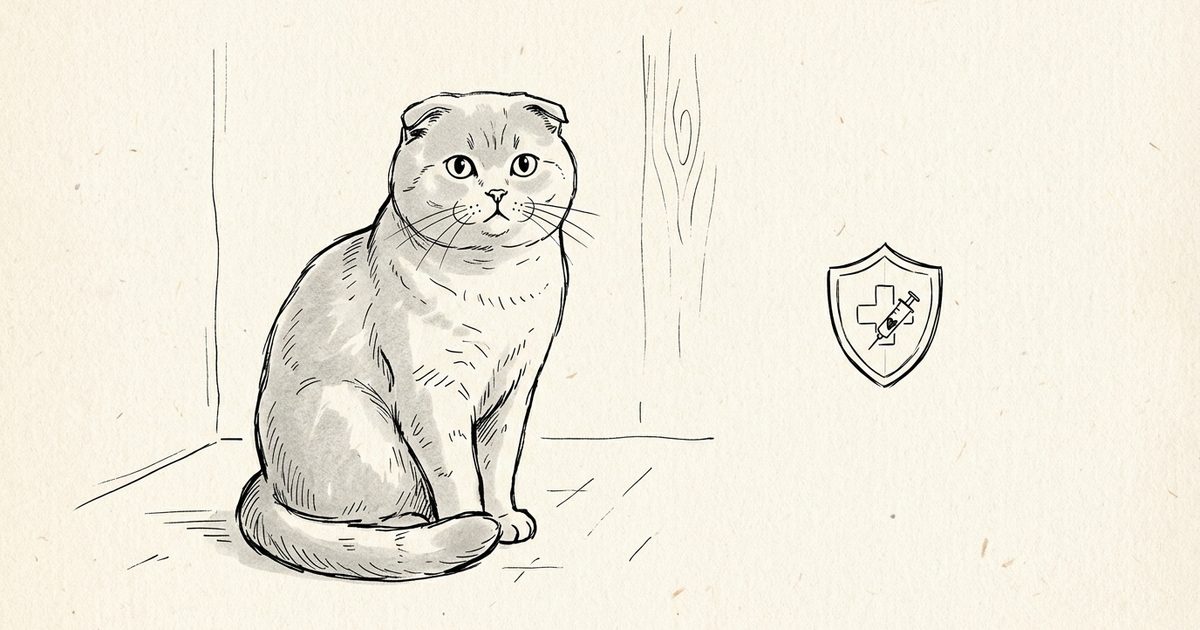
The core FVRCP vaccine covers feline herpesvirus and calicivirus, the two viruses behind most feline eye infections. It's worth knowing what it does and doesn't do: it doesn't always prevent infection outright, because herpesvirus in particular can establish a lifelong carrier state. What it reliably does is markedly reduce the severity of disease — a vaccinated cat that meets the virus typically gets a milder, shorter episode rather than a serious one. Keeping kittens on their full schedule and adults boosted on time is one of the most meaningful things you can do for long-term eye health.
Hygiene in multi-cat homes
The same basics that limit any infectious disease apply here. Use separate food and water bowls, wash bedding regularly, isolate new arrivals for a short quarantine before mixing them with resident cats, and wash your hands between handling a sick cat and a well one. In shelters and crowded rescue settings, eye infections spread fast precisely because these barriers break down — at home, you have full control over them.
Managing herpesvirus flare-ups
For cats that already carry FHV-1, the goal shifts from "never another flare" to "fewer, milder flares." That means minimizing stress — moves, new pets, sudden schedule changes, construction noise — keeping a steady routine, and treating flare-ups early with vet-prescribed medication before they escalate. You'll find the deeper biology of this virus in our cat herpesvirus guide. Some owners and vets also discuss the supplement L-lysine; the evidence on it is genuinely mixed, so the right move is to ask your own vet rather than treat it as a cure.
Protecting the eyes from trauma
A smaller but real category of eye problems is mechanical. Trim overly sharp claws on boisterous housemates, keep indoor cats away from thorny plants and toys with sharp or fraying edges, and address persistent eye-pawing early before a rub turns into a scratch. Trauma to the cornea can look identical to an infection once it's inflamed, so prevention here is genuinely prevention.
Cat Eye Infection at a Glance — Summary
| Sign / situation | What it most likely means and what to do |
|---|---|
| Clear, thin, watery discharge | Often early viral or allergic; keep the eye clean, monitor for changes, see the vet if it persists or worsens |
| Thick yellow, green, or brown discharge | Points to bacterial infection or a worsening condition; book a vet visit for prescription drops |
| Redness and swelling around the eye | Conjunctivitis — a sign, not a single diagnosis; vet assessment identifies the cause |
| Squinting or holding the eye shut | Pain and light sensitivity; a stronger sign than discharge alone, worth prompt attention |
| Pawing or rubbing at the eye | Discomfort behavior and a cause of further trauma; address early with your vet |
| Cloudy, blue-white, or dull cornea | Possible corneal ulcer or deeper disease — treat as urgent, same-day vet visit |
| Sudden blindness or bumping into things | Vision is affected; emergency vet care, do not wait |
| Kitten with eye signs, especially if not feeding | Time-sensitive; can lose the eye quickly — same-day vet care |
Curious What Your Cat Would Say?
Upload a photo and get a warm, personalized reading from your cat's perspective.
Start Your Free ReadingFrequently Asked Questions
What are the first signs of an eye infection in a cat?
The earliest signs are usually a weepy or crusty eye, mild redness around the lids, and occasional squinting. You may also notice your cat pawing at its face or keeping one eye half-closed. Even mild discharge deserves a vet look, because eyes can worsen quickly.
Can I treat my cat's eye infection at home?
Only gently: wipe away discharge with a cotton ball moistened in cooled boiled water or sterile saline, wiping outward and using a fresh ball each time. Never use human eye drops, contact-lens solution, or leftover pet medication — some ingredients are toxic to cats. Real treatment needs a vet.
Are cat eye infections contagious to other cats?
The viral forms — herpesvirus and calicivirus — spread easily between cats through shared bowls, grooming, sneezing, and close contact. Isolate the affected cat, use separate food and litter, and wash your hands between handling each cat. Bacterial forms are less contagious but hygiene still matters.
Can humans catch pink eye from a cat?
The common causes of feline eye infection are species-specific, so you cannot catch feline herpesvirus or calicivirus from your cat, and they cannot catch your cold-sore virus. Rare bacterial causes carry minimal risk with basic hand hygiene, but the everyday answer is no.
Why does my kitten have gooey eyes?
Kittens are especially vulnerable because their immune systems and eyes are still developing, and many come from crowded shelter or rescue settings where viruses spread easily. Gooey discharge often signals a viral or bacterial infection that can deepen fast, so a kitten with eye signs needs same-day vet care.
When is a cat eye infection an emergency?
Treat it as urgent if the cornea looks cloudy, blue-white, or dull, if there is an open sore, severe swelling, the eye is held fully shut, discharge is thick and constant, or vision seems affected. A kitten that stops feeding is also an emergency. These can threaten sight within hours — do not wait.
Can I use human eye drops on my cat?
No. Many human drops contain preservatives, steroids, or imidazoline-class decongestants like naphazoline that are toxic to cats and can cause dangerous blood-pressure drops. Steroid drops can worsen a hidden corneal ulcer and even rupture the eye. Only use medication a vet prescribed for this specific eye, this time.
How long does a cat eye infection take to clear up?
A straightforward bacterial infection often improves within a few days once vet-prescribed drops or ointment start working. Viral flare-ups, especially herpesvirus, may take one to two weeks and can recur later in life. Always finish the full course even if the eye looks better sooner.
Does L-lysine cure cat herpes eye infections?
The evidence on L-lysine for feline herpesvirus is genuinely mixed, so it should not be treated as a cure. Some owners and vets use it as a supportive measure, but the right move is to ask your own vet rather than self-prescribing a supplement.
Sources & References
You Might Also Like
Kitten Teething: Timeline, Symptoms & How to Help
Kitten teething runs from 3 to 7 months as baby teeth fall out. Learn the timeline, signs to watch for, and how to soothe a teething kitten safely.
15 min readWhen Do Cats Stop Growing? A Complete Timeline
When do cats stop growing? Most cats reach adult size by 12-18 months, but large breeds like Maine Coons keep growing until 3-4 years. Full timeline inside.
14 min readCan Cats Eat Cherries? Flesh, Pit & Toxicity Facts
Can cats eat cherries? Pitted flesh is safe in tiny amounts — but the pit, stem, and leaves are toxic (cyanide precursors). Learn what's safe and what isn't.
15 min readA message, in your cat's voice
Upload a photo, get a warm note written from your cat's perspective — just for fun. Plus 121 vet-cited articles, offline.