Why Is My Cat Sneezing? Causes, When to Worry & Remedies
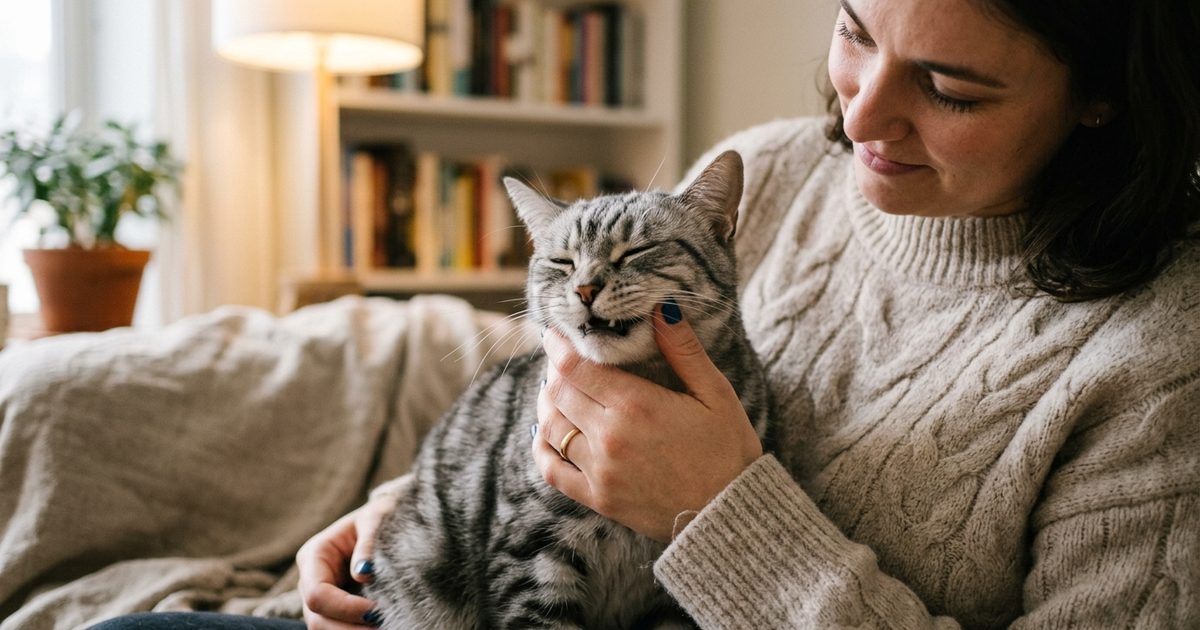
If you've suddenly noticed your cat sneezing, it's natural to wonder what's going on. The good news is that an occasional sneeze is just as normal for a cat as it is for you — a quick way for the nose to clear a bit of dust or fur. So if you're asking why is my cat sneezing, or more broadly why do cats sneeze at all, the answer usually starts with something harmless. What actually decides whether cat sneezing is a passing nothing or a reason to call the vet is the pattern — how often it happens, how long it lasts, and what comes along with it.
Key takeaways
- A single sneeze, or a brief bout that stops on its own in an otherwise well cat, is completely normal.
- Persistent, frequent, or worsening sneezing — especially with nasal or eye discharge, lethargy, or not eating — signals a problem.
- The most common medical cause is a viral upper respiratory infection, but only a vet decides whether antibiotics are appropriate.
Cat Sneezing — Quick Reference
| Pattern | Likely cause | Urgency |
|---|---|---|
| A single occasional sneeze | Dust, a fur tickle, normal nasal clearing | None — monitor |
| Sneezing after the litter box or perfume | Litter dust, scented products, household irritants | Low — switch to low-dust, unscented options |
| A brief bout, then completely fine | A passing irritant that cleared on its own | Low |
| Sneezing with clear, watery discharge | Early viral infection or mild allergy | Moderate — watch closely |
| Sneezing with colored (green/yellow) discharge | Bacterial or viral upper respiratory infection | Moderate to high — vet visit |
| Sneezing with eye discharge, lethargy, or not eating | Significant infection or systemic illness | High — prompt vet visit |
| Sneezing with pawing at the nose or face | Foreign body (e.g. grass awn) or nasal irritation | Moderate to high — vet check |
Do Cats Sneeze? Is It Normal?
Yes — cats sneeze for the same basic reason we do, to clear irritants from the nasal passages, and an occasional sneeze is completely normal. A single sneeze, or a short bout that stops on its own, is usually your cat's nose doing its job.
Cat sneezing is one of those things that can look alarming the first time you see it — that little head pull-back, the scrunch of the face, the sudden noise — and then leave you wondering whether something is wrong. Most of the time, nothing is. A sneeze is a healthy reflex, not a symptom on its own.
What a sneeze actually is
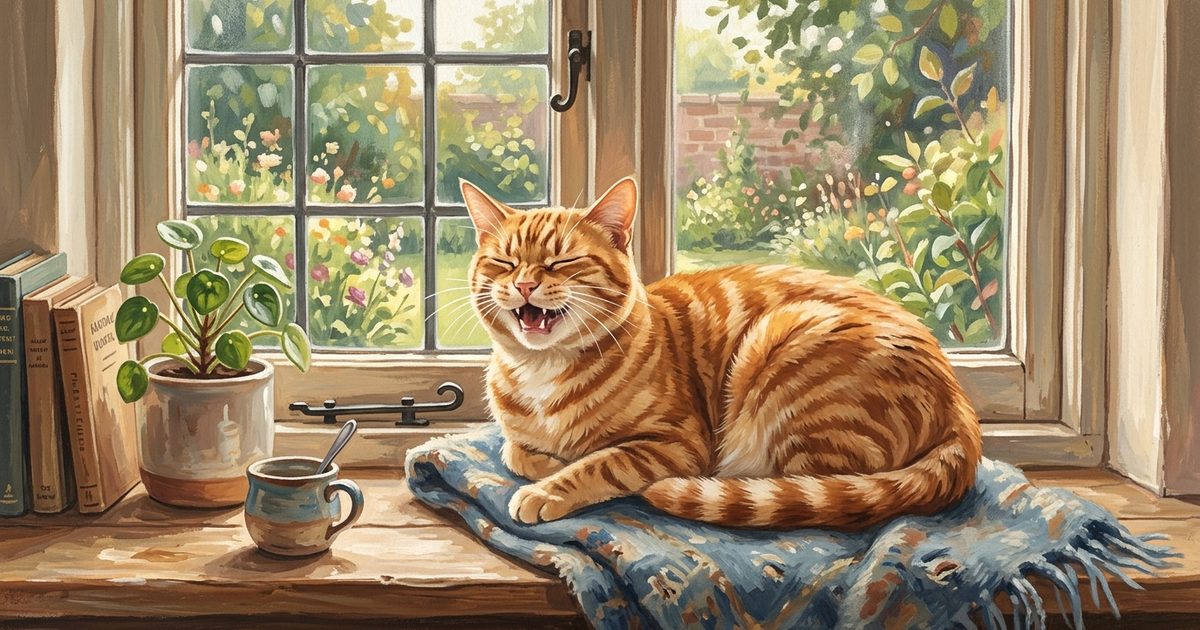
A sneeze is a forceful, involuntary burst of air expelled through the nose and mouth, triggered when the lining of the nasal passages detects something it wants to clear — dust, a whiff of pepper, a stray bit of fur. You'll see your cat's head pull back slightly, the eyes scrunch shut, and then a quick, explosive exhale. It's over in a second or two. Mechanically, it's the same expulsive reflex humans have: the body's fastest way to flush the airway of something that shouldn't be there.
How often is "normal"?
There's no strict count, but a sneeze here and there — a few times a week, or a short burst after sniffing something dusty — is entirely healthy. Some cats sneeze more than others simply because of how they explore the world, nose-first. The question worth asking isn't "did my cat sneeze?" but "is there a pattern?" A single sneeze, or a brief bout that resolves and leaves your cat perfectly normal, is the nose doing its job. Frequent, persistent, or clustered sneezing is what shifts the picture — and that's what the rest of this article helps you read.
Reverse sneeze vs a real sneeze
One thing that trips up many owners is the "reverse sneeze" — a rapid, snorting, gasping noise where the cat (or dog) appears to be inhaling sharply and repeatedly through the nose. It looks and sounds alarming, but it's usually a brief, harmless spasm of the soft palate and throat, and it stops on its own within a few seconds. A true sneeze is a single outward explosive blast through the nose and mouth; a reverse sneeze is a series of inward snorts. Knowing the difference keeps you from conflating a dramatic-but-benign moment with actual respiratory trouble.
Why Is My Cat Sneezing? Common, Harmless Causes
Most everyday sneezing comes from irritants — dust, scented or dusty litter, perfume, cleaning sprays, pollen, or a fur tickle after grooming. These cause short bouts that stop once the irritant clears, and your cat is otherwise completely normal between them.
When you're asking why is my cat sneezing, the answer is usually something small and environmental. Cats live close to the ground and the ground is full of things that tickle a nose — litter granules, lint, pollen, the residue of whatever you just cleaned. The signature of a benign cause is the pattern: a short bout, then your cat is bright, eating, and back to normal.
Dust, litter dust, and household irritants
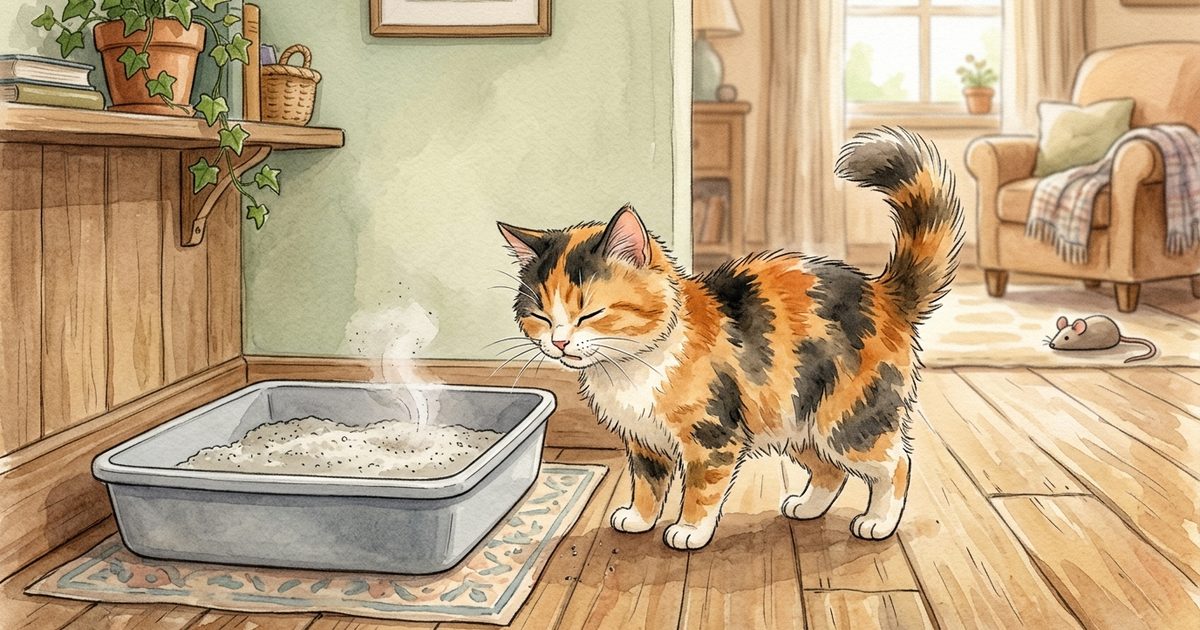
The single most common trigger is dust, and the biggest indoor source is litter. Clay and clumping litters, especially the finer ones, kick up a small cloud every time your cat digs — which is exactly when their nose is an inch away. Dusty homes, sweeping, vacuuming, and even a draft blowing through a dusty corner can do the same thing. The bout-then-fine pattern is the giveaway: your cat sneezes a few times around the box, then carries on as if nothing happened. If litter dust seems to be the culprit, low-dust and unscented litter formulas are widely available, and ventilating or relocating the box area can help. Keeping the box clean also reduces the dust your cat stirs up with each visit.
Perfumes, candles, cleaning sprays, and essential oils
Cats have a sense of smell far more sensitive than ours, so strong scents that we barely notice can be a full nasal assault to them. Perfume, scented candles, air fresheners, and aerosol cleaning sprays are common sneeze triggers — and a cat who sneezes whenever you've just cleaned or sprayed something is telling you the obvious. One important caution: many essential oils, including tea tree, eucalyptus, citrus, and peppermint, are toxic to cats, absorbed through the skin and inhaled. They should never be diffused or applied around a cat as a "remedy" without veterinary guidance. If you want a scented home, scent-free for the cat's spaces is the safe default.
Pollen and outdoor allergens
Seasonal sneezing is real for cats too. Open windows in spring and summer, fresh-cut grass, blooming trees, and a dusty breeze can all bring pollen and outdoor particles indoors and into your cat's nose. You might notice more sneezing during certain months or after a window has been left open — a pattern that points toward environmental allergy rather than infection. International Cat Care has helpful, cat-friendly guidance on feline upper respiratory disease and environmental irritants that's worth reading if seasonal sneezing seems to be a recurring theme in your home. We come back to the allergies-versus-infection distinction later in this article.
A fur tickle from grooming
Cats groom constantly, and during a thorough wash a stray bit of fur, a loose whisker, or even a piece of grass they were chewing can tickle the back of the throat or the nasal passage. The result is a quick sneeze or two — often mid-groom — that clears the tickle and is immediately forgotten. Your cat goes right back to washing. This is one of the most harmless triggers of all: the nose handling exactly what it's designed to handle.
Foreign material in the nose
Occasionally something gets inhaled that doesn't clear so easily — a blade of grass, a seed, or a grass awn that lodges in the nasal passage. This tends to look different from a passing tickle: sneezing that's persistent and often one-sided, sometimes with discharge from just one nostril, and pawing at the nose or face. A foreign body can escalate from annoying to uncomfortable if it stays stuck or causes irritation, so a cat who fits this pattern — especially with one-sided signs — is one to have looked at. We cover the red flags and the when-to-call-the-vet decision in the sections ahead.
When Is Sneezing a Problem? Red Flags to Watch For
Sneezing becomes a concern when it is persistent — lasting more than a couple of days — frequent, or paired with other signs: nasal discharge (especially colored or thick), eye discharge, lethargy, not eating, drooling, or pawing at the face. These point beyond a simple irritant to infection, allergy, dental disease, or a foreign body.
A single sneeze is noise; a pattern is signal. The leap from "occasional and normal" to "worth a vet visit" is rarely about any one sneeze — it is about what surrounds it, how long it has lasted, and what else has shown up alongside it. This is the section where we move from reassurance to attention, because cat sneezing that crosses certain lines is the body asking for help.
Pattern is more telling than any single sneeze
When owners ask why their cat is sneezing, the first thing a vet wants to know is the shape of it — not the sneeze itself, but its rhythm. A short burst of three or four sneezes after dusting, then nothing for two days, is one shape. Sneezing several times every morning, or every time your cat grooms, is a different shape entirely. Frequency and duration matter more than volume. So does which side it sits on: sneezing and discharge from one nostril only — unilateral, in clinical terms — often points to something localized like a foreign body, a tooth-root issue, or a polyp, while both sides together more often suggest a generalized respiratory process. The shift from "a bout that stopped" to "a daily pattern" is usually the first clue that this is no longer just a tickle.
Accompanying symptoms that escalate
A sneeze rarely travels alone when something is wrong. Nasal discharge is the most telling companion: clear and watery often sits on the milder, allergic, or early-viral end, while thick, green, or yellow discharge suggests the body is fighting something more involved. Eye discharge and squinting — especially when the third eyelid is prominent or the eye is held half-closed — points to conjunctival inflammation, and we cover the ocular side of this in detail in our guide to cat eye infection. Lethargy, a feverish warm body, or a cat that suddenly stops eating all tell you the whole cat is unwell, not just the nose. Drooling and mouth ulcers raise a different flag — often viral, sometimes dental. Weight loss that creeps in over weeks is quieter but no less significant. None of these alone is a diagnosis, but the more of them that cluster together, the stronger the case for a prompt vet visit rather than watchful waiting.
Dental disease as a hidden cause
This is one of the most under-recognized sources of cat sneezing, and it surprises owners: the roots of the upper teeth sit just below the nasal cavity, separated by a thin plate of bone. A tooth-root abscess — especially on an upper carnassial or canine tooth — can erode through that plate and drain directly into the nasal passages. The result is one-sided sneezing and one-sided nasal discharge, sometimes with a foul smell, in a cat whose teeth may not have been obviously painful. Dental disease as a sneezing cause is easy to miss because the nose, not the mouth, is what you notice first. International Cat Care notes that oronasal communication from dental disease is a genuine and overlooked contributor to chronic nasal signs in cats.
Foreign body and nasal polyps or tumors
A blade of grass or a grass awn inhaled up the nose — often after a cat is chewing on grass or exploring outdoors — can lodge there and cause persistent one-sided sneezing, pawing at the face, and discharge that may become thick or bloody. These are uncomfortable but usually resolvable once a vet locates and removes the object. Benign nasopharyngeal polyps grow in the back of the nasal cavity or throat and tend to appear in younger cats, causing sneezing, noisy breathing, or sometimes a head tilt. In older cats with one-sided, persistent, progressive signs, a tumor of the nasal cavity is among the possibilities a vet will consider. None of these is a reason to panic — they are the differential list a vet works through when the pattern calls for it, and most are treatable or manageable once identified.
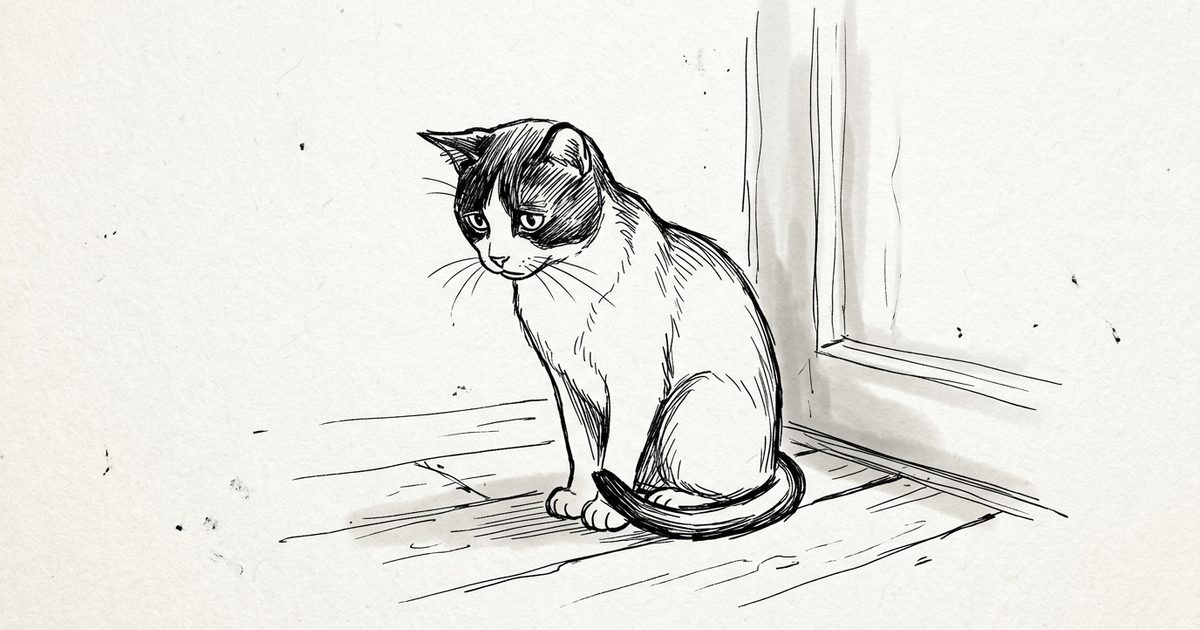
Upper Respiratory Infection: The Most Common Medical Cause
When sneezing comes with clear or colored nasal discharge, eye discharge, lethargy, or reduced appetite, the most common cause is a feline upper respiratory infection — usually viral, most often feline herpesvirus or calicivirus. These spread easily between cats and are especially common in shelters, rescues, and kittens.
If your cat keeps sneezing and is also under the weather — runny eyes, off food, tucked away and quiet — a feline upper respiratory infection, or URI, is the single most likely explanation. Cat sneezing driven by URI is the medical version of the common cold, with a twist: feline colds are not the same viruses as human colds, and you cannot catch one from your cat or give yours to them. They are, however, highly contagious between cats, and they thrive wherever cats meet in close quarters.
Feline herpesvirus (FHV-1)
Feline herpesvirus type 1 is the leading viral cause of upper respiratory disease in cats. Once a cat is exposed — and most cats are exposed at some point in their lives, especially those who came through shelters — the virus establishes a lifelong latent infection in nerve tissue. It then flares up again during periods of stress: a move, a new pet, boarding, illness, anything that tips the cat's immune balance. This is why a cat who "always gets a cold" is often a herpesvirus carrier having repeat flare-ups, and why managing stress is part of managing the condition. We cover the virus itself — latency, triggers, ocular signs, and long-term care — in our dedicated cat herpes deep-dive.
Calicivirus
Feline calicivirus is the other major viral cause, and it has a different signature. Where herpesvirus tends to produce heavy eye signs and sneezing, calicivirus leans toward the mouth: painful ulcers on the tongue, gums, or hard palate that make eating uncomfortable, sometimes accompanied by limping or joint soreness in kittens — a distinct "limping kitten" syndrome that catches owners off guard. The two viruses overlap enough that you cannot reliably tell them apart at home, but the mouth-and-limping pattern is a strong calicivirus hint, and vaccination against both is a core part of feline preventative care.
Bacterial causes (Bordetella, Chlamydia, Mycoplasma)
Bacteria can also be involved — Bordetella, Chlamydia felis, and Mycoplasma among them — but these are usually secondary, riding in after a virus has already inflamed the respiratory lining. Their presence is the main reason a vet will sometimes decide antibiotics are warranted, and the key reason that decision belongs to the vet: most feline URIs are viral, antibiotics do nothing for viruses, and inappropriate use contributes to resistance without helping the cat. A confirmed or strongly suspected bacterial component, however, changes the calculus.
Why shelters, rescues, and kittens are hit hardest
URI clusters where cats are crowded, stressed, and mixing — shelters and rescues are the classic epicenter, and kittens, with their immature immune systems, are the most vulnerable of all. Stress reactivates latent herpesvirus in carrier cats, who then shed virus and infect neighbors, which is why a seemingly healthy rescue cat can start sneezing within days of arriving home. The carrier-cat dynamic means even a single new arrival can introduce respiratory viruses into a multi-cat household. The Cornell Feline Health Center is a reliable, owner-facing reference on feline upper respiratory infection and its management. One important footnote: a cat with chronic, recurrent URIs — always catching something, never quite clearing — is worth screening for underlying immune compromise, including FIV, which quietly undermines the immune system and lets ordinary infections linger.
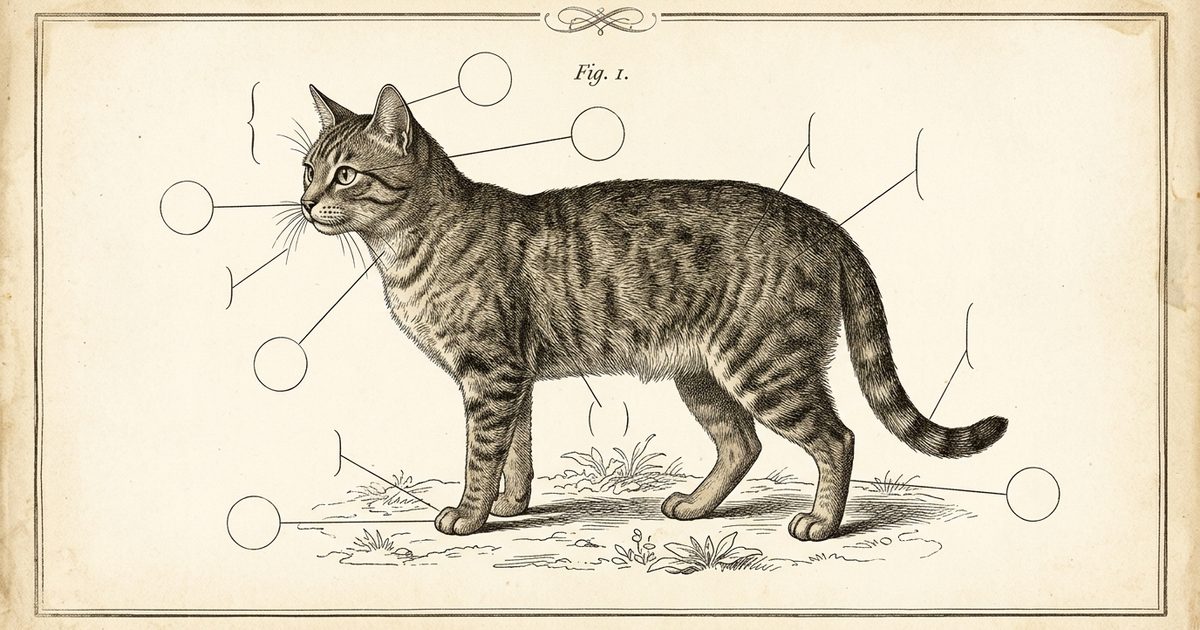
Is It Allergies or an Infection? How to Tell Them Apart
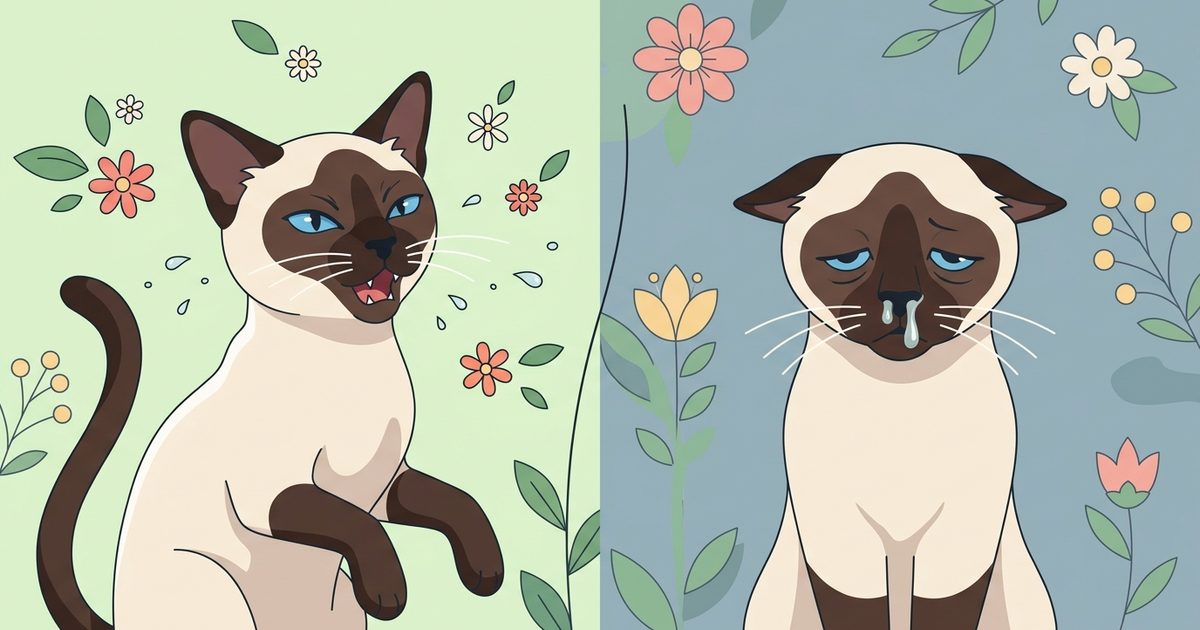
Allergic sneezing tends to be intermittent, without fever or colored discharge, and may come with itchy skin, ear inflammation, or a seasonal pattern. Infectious sneezing is usually more constant, with nasal or eye discharge, lethargy, and reduced appetite, and it often spreads to other cats in the home.
This is the question owners circle back to most, and it is the right one. The two share a surface — a sneezing cat — but their underlying engines are completely different, and the rest of the body tells you which is which. Allergies are the immune system overreacting to something harmless in the environment; infections are a pathogen the body is actively fighting. The patterns they produce diverge in ways you can read at home.
Signs that point to allergies
Allergic cat sneezing is usually intermittent and situational — worse when pollen counts climb, when windows are open in spring, or right after the litter box is changed. Crucially, the cat is otherwise bright: no fever, eating normally, playful between sneezes. Nasal discharge, if any, stays clear and watery. The biggest tell is co-symptoms elsewhere: itchy skin, over-grooming, ear inflammation or head-shaking, or red, watery eyes — the same environmental allergens rarely limit themselves to the nose. A seasonal rhythm is a strong allergic hint. For the full allergic picture — atopic, food, and contact triggers beyond the respiratory form — see our guide to cat allergies.
Signs that point to infection
Infectious sneezing tends to be more constant and progressive rather than coming and going with the season. The discharge thickens and may turn green or yellow; the eyes join in with discharge, squinting, or a swollen third eyelid. The cat is visibly unwell — quiet, off food, sometimes warm to the touch with a fever. And, the dead giveaway in a multi-cat home: it spreads. If two of your three cats start sneezing within a week of each other, you are almost certainly looking at an infectious agent, not an allergen. We cover the two leading viral causes in the cat herpes deep-dive and the ocular side in cat eye infection.
And how to tell a sneeze from asthma
One last confusion worth clearing up, because it matters for urgency: a sneeze and an asthma episode look nothing alike once you know the difference. A sneeze is short, expulsive, and above the shoulders — the head pulls back and a burst of air fires out through the nose and mouth, over in a second. Asthma is a lower-airway event: a wheeze, a dry cough, or visible breathing effort with the body crouched low, neck extended, and the abdomen working hard to push air out. Asthma does not produce nasal discharge; it produces respiratory distress that can escalate quickly. If what you are seeing is the latter — especially open-mouth breathing or labored effort — that is not sneezing and it is not something to watch at home. Read our guide to cat asthma for the full picture on lower-airway disease.
When Should I Take My Sneezing Cat to the Vet?
Book a vet visit if your cat's sneezing lasts more than a couple of days, becomes frequent, or comes with colored nasal or eye discharge, lethargy, not eating, drooling, mouth ulcers, or difficulty breathing. A single sneeze or a short bout that stops, in an otherwise well cat, can simply be watched.
Most cats sneeze now and then, and most of the time it means nothing concerning. The decision is rarely about the sneeze itself — it's about the pattern around it, how long it's been going on, and what else has changed in your cat. Here's how to read it.
The decision rule in plain terms
Use three tests. Persistent — the sneezing has lasted more than a couple of days without settling. Progressive — it's getting worse, more frequent, or the discharge is changing from clear to thick or colored. Paired with any red-flag symptom — eye discharge, squinting, lethargy, not eating, drooling, mouth ulcers, pawing at the face, or any change in breathing. If any one of these is true, it's time to call your vet. If none are — a brief bout in a cat that's otherwise bright, eating, and behaving normally — monitoring at home for a day or two is reasonable.
What counts as urgent (don't wait)
A small number of signs mean same-day care, not a "next available" appointment. Open-mouth breathing or any obvious effort to breathe, blue or pale gums, severe lethargy (your cat is barely responsive or can't lift its head), not eating or drinking for 24 hours, or a kitten that has stopped feeding all fall in this group — cats, especially kittens, can deteriorate quickly once they stop eating. Suspected ingestion of a toxin, a cleaning agent, or a foreign body (a grass blade, a piece of a plant) is also urgent. In any of these, don't wait for a routine slot; contact a vet or an emergency clinic the same day.
What the vet will do
Expect a thorough history (when it started, what changed, other pets in the home) and a full physical exam of the nose, throat, eyes, and mouth. From there, the vet may take nasal or eye swabs for PCR testing to identify herpesvirus, calicivirus, or bacterial causes, check the teeth for root abscess, or recommend imaging if a foreign body or mass is suspected. One important point: most feline upper respiratory infections are viral, and antibiotics do not help viruses — your vet decides whether antibiotics are appropriate, based on evidence of a bacterial cause or secondary infection. Leftover pills from a previous course or from another pet are never the right call.
Home care while you wait for the appointment
While you wait, a few simple things can keep your cat comfortable without changing what the vet will need to do. Run a hot shower and let your cat sit in the steamy bathroom for ten minutes to ease congestion. Warm wet food slightly to bring up its smell and encourage eating. Gently wipe the nose and eyes with cotton moistened in plain saline or warm water. Keep your cat warm, quiet, and away from drafts. Never give human cold or pain medication — acetaminophen, pseudoephedrine, ibuprofen, and many others are toxic to cats, sometimes in a single dose. For more on cat-friendly home care, International Cat Care is a reliable reference.
Cat Sneezing at a Glance — Summary
| Pattern / situation | What it most likely means |
|---|---|
| A single occasional sneeze | Normal — the nose clearing a tiny irritant, nothing to act on |
| Sneezing after the litter box or near perfume | Dusty or scented litter, sprays, or candles — switch to low-dust, unscented options |
| A brief bout, then the cat is completely fine | A passing irritant (dust, fur tickle); watch, no need to act |
| Sneezing with clear, watery discharge | Early viral infection or mild allergy; monitor and keep the cat comfortable |
| Sneezing with thick, green or yellow discharge | Likely infection (often bacterial or a worsening URI); book a vet visit |
| Sneezing with eye discharge, lethargy, or not eating | Upper respiratory infection — vet visit within a day or two |
| Sneezing with pawing at the face, often one-sided | Foreign body, dental-root abscess, or polyp — vet exam needed |
| Persistent daily sneezing in a kitten or a new shelter cat | Highly suggestive of herpesvirus or calicivirus — vet visit and isolate from other cats |
Curious What Your Cat Would Say?
Upload a photo and get a warm, personalized reading from your cat's perspective.
Start Your Free ReadingFrequently Asked Questions
Why is my cat sneezing all of a sudden?
A sudden bout of sneezing is usually a harmless irritant — dust, litter dust, a whiff of perfume, or a fur tickle from grooming. If it stops within a few minutes and your cat is otherwise bright, eating, and normal, there's usually nothing to worry about. Watch the pattern over the next day or two.
When should I worry about my cat sneezing?
Worry when sneezing lasts more than a couple of days, becomes frequent or progressive, or arrives with colored nasal or eye discharge, lethargy, not eating, drooling, mouth ulcers, or breathing changes. These signs point beyond a simple irritant and warrant a vet visit rather than continued watching at home.
Can I catch a cold from my sneezing cat?
No — feline upper respiratory infections are caused by cat-specific viruses like herpesvirus and calicivirus, not human cold viruses, and they are not transmissible between cats and people. Your sneezing cat cannot give you a cold, and you cannot give yours to them.
Why does my cat sneeze after using the litter box?
The most likely cause is litter dust — clay and clumping litters kick up a fine cloud when your cat digs, with their nose just an inch away. Switching to a low-dust, unscented formula and ventilating or relocating the box usually settles the bout-then-fine pattern.
How do I know if my cat's sneezing is allergies or an infection?
Allergic sneezing is intermittent, seasonal, and comes with clear discharge, itchy skin, or ear inflammation while the cat stays bright and eating. Infectious sneezing is more constant, with thick or colored discharge, eye discharge, lethargy, reduced appetite, and in multi-cat homes it often spreads to others.
Is it normal for a cat to sneeze once in a while?
Yes — an occasional sneeze is completely normal, just as it is for us. It's the nose clearing a tiny irritant like dust, fur, or pollen. A single sneeze here and there, in a cat that's otherwise bright, eating, and behaving normally, is the nose doing exactly what it's designed to do.
Can I give my cat anything for sneezing at home?
Supportive comfort only while you wait for a vet: steam from a hot shower to ease congestion, slightly warmed wet food to encourage eating, and gentle wiping of the nose and eyes with saline-moistened cotton. Never give human cold or pain medication — acetaminophen, ibuprofen, and pseudoephedrine are toxic to cats, sometimes in a single dose.
Why is my kitten sneezing so much?
Kittens have immature immune systems and are especially vulnerable to upper respiratory infections, most often herpesvirus or calicivirus, which spread easily in shelters, rescues, and multi-cat homes. Frequent sneezing in a kitten — particularly with discharge, lethargy, or reduced feeding — warrants a prompt vet visit, as kittens can decline quickly.
Sources & References
You Might Also Like
Kitten Teething: Timeline, Symptoms & How to Help
Kitten teething runs from 3 to 7 months as baby teeth fall out. Learn the timeline, signs to watch for, and how to soothe a teething kitten safely.
15 min readWhen Do Cats Stop Growing? A Complete Timeline
When do cats stop growing? Most cats reach adult size by 12-18 months, but large breeds like Maine Coons keep growing until 3-4 years. Full timeline inside.
14 min readCan Cats Eat Cherries? Flesh, Pit & Toxicity Facts
Can cats eat cherries? Pitted flesh is safe in tiny amounts — but the pit, stem, and leaves are toxic (cyanide precursors). Learn what's safe and what isn't.
15 min readA message, in your cat's voice
Upload a photo, get a warm note written from your cat's perspective — just for fun. Plus 121 vet-cited articles, offline.