Do Cats Get Colds? Symptoms, Causes & When to See a Vet
Yes, cats get colds — but a "cat cold" is really a feline upper respiratory infection (URI), usually caused by viruses like feline herpesvirus or calicivirus rather than the rhinoviruses that make us sneeze. Recognizing cat cold symptoms early matters, because most are mild and self-resolving, yet a small fraction — especially in kittens, seniors, or unvaccinated cats — can turn serious fast.
The good news: with a little knowledge, you can tell the difference between a passing sniffle and something that needs the vet. This guide walks through what a cat cold actually is, the symptoms to watch for, how cats catch and spread these infections, and the comfort measures and thresholds that keep your cat safe.
Key takeaways
- A "cat cold" is a feline upper respiratory infection — most are viral, common, and usually mild, but they can escalate in vulnerable cats.
- Cat cold symptoms include sneezing, nasal and eye discharge, congestion, lethargy, and reduced appetite; watch for the signs that tip a mild case into a vet visit.
- Cats cannot catch your cold and you cannot catch theirs — the viruses are species-specific — but cat colds spread easily between cats.
Cat Cold Symptoms — Quick Reference
| Symptom | Mild cold sign | Vet-worthy sign |
|---|---|---|
| Sneezing | Occasional, clear discharge | Frequent, persistent, or with colored discharge |
| Nasal discharge | Clear and watery | Thick, yellow, green, or bloody |
| Eye discharge | Slight clear weeping | Swollen, crusty, squinting, or ulcerated eyes |
| Congestion / breathing | Slightly stuffy nose | Open-mouth breathing, wheezing, or blue gums |
| Appetite / energy | Eating a little less, mildly quiet | Not eating or drinking for 24+ hours, very lethargic |
| Fever | Warm ears, slightly quiet behavior | Hot ears and paws, shivering, or unresponsive |
Do Cats Get Colds?
Yes — cats get colds, but a cat cold is an upper respiratory infection, usually viral, and not the same viruses that give humans colds. Feline herpesvirus and calicivirus cause most of them, and they are extremely common, especially in kittens, shelter cats and unvaccinated cats.
So, do cats get colds? Yes — they absolutely do. The sneezing, runny-nosed, droopy-eyed pet on your lap really is going through something that looks and feels a lot like the cold you get in winter. But under that familiar word is a feline-specific illness with its own causes, its own contagiousness, and its own rules for when to call the vet. Understanding the difference is what turns worry into confident care.
What a cat cold actually is
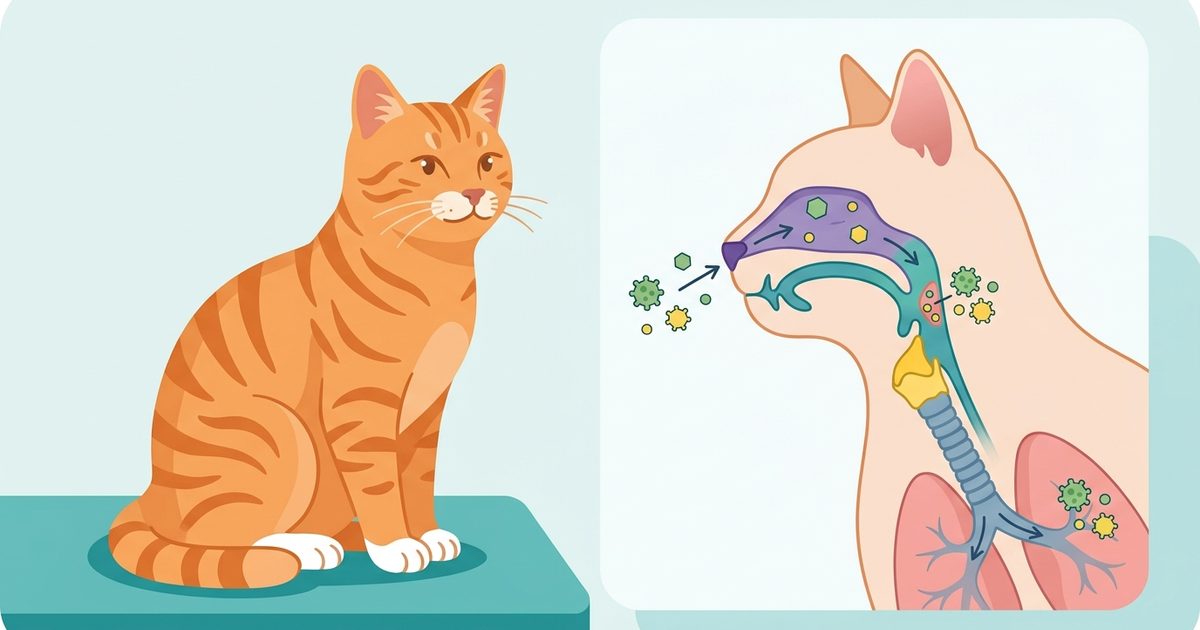
The umbrella term owners use — "a cat cold" — is lay shorthand for what veterinarians call a feline upper respiratory infection (URI). It is an infection of the nose, throat and sinuses, almost always triggered by a virus rather than by chill or drafts. The two pathogens behind the large majority of cases are feline herpesvirus (FHV-1) and feline calicivirus (FCV), often with bacteria like Bordetella or Chlamydophila joining in secondarily once the respiratory lining is inflamed. The analogy to a human cold is genuinely useful for recognizing symptoms, but it breaks at the viruses themselves: these are feline-adapted pathogens, not the rhinoviruses that make us sniffle. For a deeper look at the leading cause, see our guide to feline herpesvirus.
How common are cat colds
Feline URIs are among the most common illnesses veterinarians treat, and in high-density settings they are essentially ubiquitous. Shelters, rescues, boarding facilities and multi-cat households see colds constantly, because the viruses spread through droplets and shared surfaces and a single carrier can seed an entire group. Vaccination blunts severity rather than eliminating all transmission, so even vaccinated cats in crowded environments can develop mild symptoms. The realistic picture: if you have ever lived with several cats, or adopted from a shelter, you have almost certainly hosted a cat cold in your home — even if you didn't call it that.
Is a cat cold the same as a human cold?
No — and this is the reassurance most owners are really looking for. The word "cold" describes a syndrome (sneezing, congestion, runny nose), not a single virus, so cats and humans each have their own cold-causing pathogens. Human colds come from rhinoviruses, coronaviruses and similar families that are adapted to people; cat colds come from feline herpesvirus, calicivirus and their relatives. The viruses are species-specific: your rhinovirus cannot establish infection in your cat, and your cat's herpesvirus cannot infect you. The Cornell Feline Health Center is a reliable reference for how feline upper respiratory infections differ from human ones. The shared name is just a convenient shorthand for two illnesses that look alike but belong to different viral worlds.
What Are the Symptoms of a Cat Cold?
Cat cold symptoms include sneezing, a runny nose, watery or crusty eyes, nasal congestion, lethargy and a drop in appetite. Most colds are mild, but labored breathing, refusal to eat or drink, or symptoms in a kitten or senior cat mean you should call the vet promptly.
Cat cold symptoms tend to arrive in a recognizable cascade. The first thing most owners notice is a sneeze — then another, then a string of them — followed within a day or two by a damp nose, squinting eyes, and a cat who is suddenly quieter than usual. Knowing the constellation, and knowing which signs are routine versus which demand a same-day call, is what lets you care for a cold at home without missing the moment it turns serious.

Sneezing and nasal discharge
Sneezing is usually the opening symptom of a cat cold, and it's often what sends owners searching for answers. A few sneezes a day with clear, watery discharge is typical of an early or mild viral URI. As the infection progresses, the discharge may thicken and turn yellowish or greenish, which can signal that the viral lining damage has invited bacterial involvement. Occasional sneezing from dust or a whiff of pepper is one thing; persistent sneezing paired with nasal drip is the pattern that points to a cold. For the mechanics of the reflex itself and how to tell a one-off sneeze from a cold, see our deep-dive on why cats sneeze.
Eye discharge and squinting
The eyes tell their own part of the story. A cat with a cold often develops watery discharge, crust at the inner corners, and a half-closed, squinting look that owners read instantly as "my cat feels unwell." This happens because the same viruses inflame the conjunctiva — the delicate membrane lining the eyelids — alongside the nasal passages. A little clear tearing is expected with a mild URI, but thick yellow-green discharge, pronounced redness, or a visible third eyelid suggest the eye involvement needs specific attention. When the eye is the main problem rather than part of a wider cold, that shifts toward isolated eye disease, which we cover in our guide to cat eye infections.
Congestion, lethargy, appetite loss
This is where a mild cold can quietly escalate. A stuffed-up nose doesn't just make breathing uncomfortable — it blunts your cat's sense of smell, and cats eat largely by aroma. When a cat can't smell its food, appetite often collapses even though the cat is hungry, which can spiral into dehydration and weakness within a day. Lethargy tends to ride along: your cat sleeps more, seeks warm spots, and interacts less. This appetite-and-energy cascade is the single most important reason to monitor a cold closely rather than assuming it will simply pass. Offering warm, strong-smelling food and tracking whether your cat actually eats becomes the home-care hinge of the whole illness.
Symptoms that need urgent care
Most cat colds are mild and self-limiting, but a minority need prompt veterinary attention. Treat these as bright-line thresholds rather than diagnoses: open-mouth breathing or panting, blue or pale gums, no eating or drinking for more than 24 hours, symptoms that worsen or fail to improve after 7–10 days, and eye ulcers or swelling. Age and immune status compress the timeline — a kitten, a senior cat, or a cat with a suppressed immune system (for example, one carrying FIV) can decline quickly from a cold that an otherwise healthy adult would shrug off. When in doubt, a phone call to your vet costs nothing and can catch pneumonia or severe dehydration before they take hold.
Can Cats Catch Colds From Humans?
No — cats do not catch human colds, and humans do not catch cat colds. The viruses are largely species-specific: human rhinoviruses do not infect cats, and feline herpesvirus and calicivirus do not infect humans. A cat cold, however, is very contagious to other cats.
It's one of the most common worries when a household is shared by a sniffling human and a curious cat — can the bug jump between you? The reassuring answer, in almost every everyday case, is no. You and your cat run on different respiratory hardware, and the viruses that give you a cold simply cannot get a foothold in feline cells.
Why feline and human colds do not cross
Viruses are picky. To infect a host, a virus first has to lock onto specific receptor molecules on the surface of the host's cells — and those receptors differ enough between species that most viruses can only enter the cells they evolved to exploit. The human common cold is driven mainly by rhinoviruses and certain coronaviruses that recognize human cell receptors, not feline ones. Cat colds, in turn, are caused chiefly by feline herpesvirus (FHV-1) and feline calicivirus (FCV), which are tuned to cat cells.
So when people ask whether cats can catch human colds — a question that brings thousands of searches each month — the short answer is that the two families of viruses largely cannot swap hosts. "Cold" is a lay shorthand for an upper respiratory infection; it describes a pattern of symptoms, not a single shared germ. You can read a clear overview of feline upper respiratory infections from the Cornell Feline Health Center, which confirms the species-specific nature of these pathogens.
When humans can pass something to a cat
The species barrier is strong but not absolute. In research and surveillance settings, a small number of human respiratory viruses have been documented in cats — certain influenza strains and SARS-CoV-2 among them. These cases are rare, generally mild, and typically involve close, prolonged exposure to an actively ill person; they do not represent ordinary household transmission of a common cold.
The sensible takeaway is not fear but basic hygiene. Washing your hands before handling a sick, very young, or immunocompromised cat, and keeping your face clear when you're the one who's ill, covers the real-world risk without dramatizing it. For a normal cold, your cat is not in danger from you.
But cat colds spread fast between cats
Where a cat cold is genuinely contagious is cat-to-cat — and it spreads efficiently. The viruses travel in sneeze droplets and respiratory secretions, so close contact, mutual grooming, shared food and water bowls, and even contaminated hands or bedding can pass them along. A single symptomatic cat in a multi-cat home or shelter can seed an outbreak quickly.
That's why isolating the sneezing, discharge-eyed cat from housemates at the first sign of illness is the single most effective thing an owner can do. Separate bowls, separate bedding, and hand-washing between cats slow the chain of transmission while the sick cat recovers.
How Do Cats Get Colds?
Cats catch colds mainly from other cats — through droplets from a sneeze, shared bowls, or close grooming. The two leading causes are feline herpesvirus and calicivirus. Stress, crowding, and a weakened immune system can also trigger a flare-up of a virus the cat already carries.
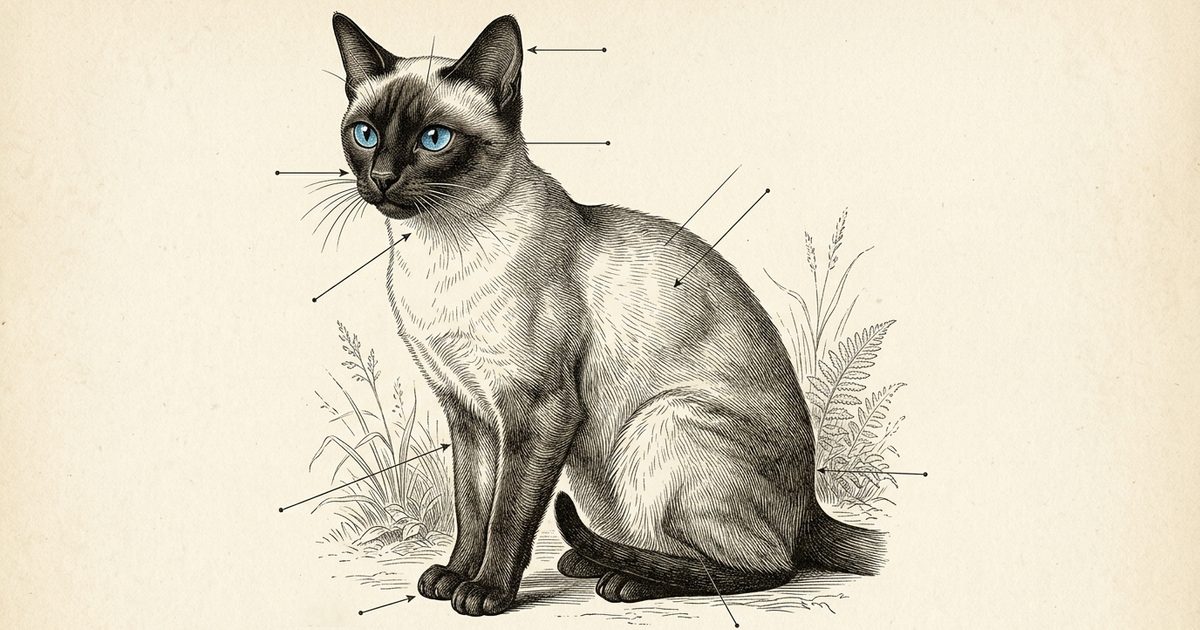
If you've ever wondered how an indoor cat with no obvious exposure comes down with a cold, the answer usually lies in a combination of an infecting virus and the conditions that let it take hold. Most cat colds trace back to a short list of pathogens, and most of the rest is about opportunity — crowding, stress, and the quiet carrier states that let a virus hide inside an apparently healthy cat.
The main viruses: herpesvirus and calicivirus
The large majority of feline upper respiratory infections come from just two viruses. Feline herpesvirus (FHV-1) and feline calicivirus (FCV) between them account for most cases, and they behave in importantly different ways.
FHV-1 is a lifelong infection. Once a cat is exposed, the virus retreats into a latent state in nerve tissue and can re-emerge weeks, months, or years later — typically when stress, illness, or another trigger weakens the cat's defenses. A cat that "keeps getting colds" is often the same herpesvirus flaring repeatedly rather than a series of new infections. We go deeper into this chronic, latent pattern in our guide to feline herpesvirus.
Calicivirus, by contrast, is notable for how changeable it is. FCV exists as many strains, which is part of why it evades fully sterilizing immunity, and one of its signature signs is painful oral ulcers on the tongue or gums, alongside the more familiar sneezing and nasal discharge. Vaccination blunts the severity of both, even when it cannot guarantee complete prevention.
Bacterial secondary infections
Viruses usually open the door, but bacteria can walk through it. Bordetella, Chlamydophila, and Mycoplasma are the bacteria most often implicated, and they tend to appear after a viral cold has already inflamed and damaged the respiratory lining — the tissue's normal defenses compromised, bacteria settle in.
These secondary infections can prolong a cold, turn clear discharge thick or colored, or bring eye involvement that warrants a closer look alongside the patterns we describe for cat eye infections. They are usually treatable, but they are a reason a "simple" cold sometimes needs veterinary support rather than watchful waiting alone.
Stress, crowding and carrier states
Perhaps the least obvious cause of a cat cold is one the cat has been carrying all along. A latently infected herpesvirus carrier sheds virus — and becomes contagious to other cats, and symptomatic itself — most readily when something shifts the balance. Stress, environmental change, a new pet, boarding, a move, or any crowding that raises exposure while lowering individual resilience can tip a quiet carrier into an active flare.
This is why shelters, multi-cat households, and rescue settings see so many colds: not because the cats are unhealthy, but because the conditions favor transmission and reactivation simultaneously. International Cat Care describes this carrier-and-flare dynamic clearly in its material on cat flu, and it underlines why reducing stress is as much a part of managing colds as treating the symptoms. The same logic extends to cats whose immune systems are quietly compromised — as we note in our coverage of FIV, an underlying immune weakness is one reason an otherwise ordinary cold can turn severe or keep returning.
Home Care and When to Call the Vet
For a mild cat cold, keep your cat warm, run a humidifier or steamy bathroom to ease congestion, gently wipe away discharge, and offer warm, strong-smelling food. Call the vet if your cat stops eating or drinking, struggles to breathe, is very young or old, or shows no improvement in a few days.
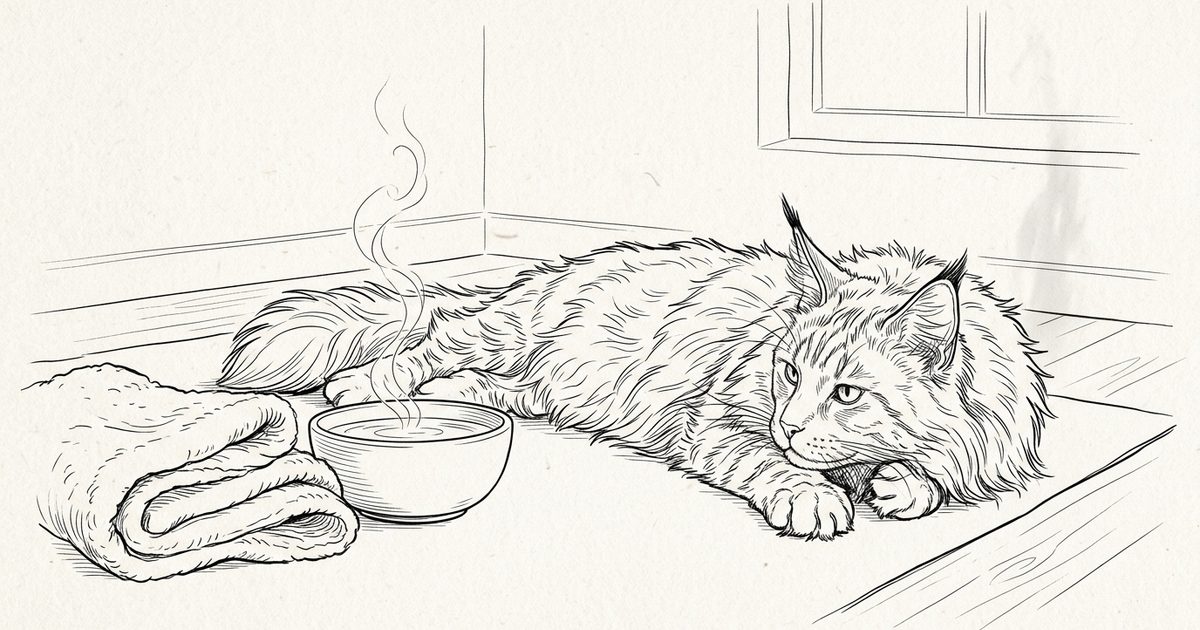
Most cat colds are mild and run their course in a week to ten days, and a big part of helping your cat through one is simple supportive care — warmth, humidity, and keeping her interested in food while her nose is stuffed. The trick is knowing where home care ends and a vet visit begins, because the line between "annoying cold" and "serious illness" in cats is thinner than most owners expect.
Comfort measures at home
Think about what helps you with a cold, then translate it into cat terms. A stuffed-up nose clears with moisture in the air, so run a humidifier near her resting spot or bring her into the bathroom while you run a hot shower for ten minutes — the steam loosens congestion and makes breathing noticeably easier. Keep her warm but not overheated; a cozy bed away from drafts is ideal. If her eyes or nose are crusty, gently wipe them with a soft, damp cloth moistened with saline or plain warm water, using a fresh corner for each wipe so you're not spreading discharge back across her face. Keep her drinking — a cat with a blocked nose dehydrates faster than you'd think. And critically, never reach for your own medicine cabinet: human cold remedies can be fatal to cats.
Getting a sick cat to eat
This is often the hardest part. Cats decide whether to eat largely by smell, and a cat with a congested nose often can't smell her food at all — so even a hungry cat may walk away from a full bowl. Warm her wet food slightly (not hot) to intensify its aroma, offer strong-smelling options like tuna water drizzled over her kibble, or try pungent treats she rarely gets. Hand-feeding or warming small fresh portions often coaxes a few bites. The threshold that matters: a cat that has eaten nothing for 24 hours, or is not drinking, needs to see the vet — cats, especially overweight ones, can develop serious liver problems quickly when they stop eating.
Why human cold medicines are dangerous
It cannot be overstated: the cold and flu medications in your bathroom are toxic to cats. Acetaminophen (Tylenol) damages a cat's red blood cells and can be lethal in a single dose; ibuprofen and naproxen can cause stomach ulcers and kidney failure; decongestants like pseudoephedrine raise heart rate and blood pressure to dangerous levels. Cats metabolize drugs very differently from humans — a dose that's routine for you can be an emergency for them. Never give your cat any human medication without explicit instructions from your vet, and if you suspect she's already swallowed something, call your vet or a pet poison hotline immediately.
When to see the vet — the thresholds
Home care supports a mild cold, but certain signs mean it's time to stop waiting and call the vet. These are decision-rules, not a diagnosis — when in doubt, a quick call costs nothing:
- Not eating or drinking for 24 hours, or eating far less than normal.
- Labored or open-mouth breathing, wheezing, or gums that look pale or bluish — these are emergencies.
- No improvement after 7 to 10 days, or symptoms that get worse after initially improving.
- A kitten, a senior, or an immunocompromised cat (for example, a cat with FIV — see our guide to FIV in cats) showing any cold symptoms, because their immune systems handle the virus far less effectively.
- Eye symptoms that worsen — swelling, heavy discharge, or squinting that suggests a corneal ulcer rather than simple cold irritation (we cover isolated eye disease in our cat eye infection article).
- A high fever or profound lethargy where your cat barely responds.
Most cats recover fully with supportive care and time. The small fraction that don't are exactly the ones these thresholds are designed to catch early — when treatment is straightforward and effective. The Cornell Feline Health Center offers reliable, up-to-date guidance on feline upper respiratory infections if you want a veterinary source to cross-check against.
How Do You Prevent Cat Colds?
You can prevent most cat colds with core vaccination — the FVRCP shot covers herpesvirus and calicivirus — by keeping cats indoors or supervised outdoors, reducing stress during routine changes, and isolating any new or sick cat before introducing it to a multi-cat home.

You can't eliminate every cold virus a cat might meet, but you can dramatically lower the odds of a serious one. Prevention comes down to three levers — vaccination, limiting exposure, and protecting the immune system — and they work together. A vaccinated cat exposed to herpesvirus typically gets a mild cold instead of a severe one; an indoor, low-stress cat is exposed to fewer viruses in the first place.
Vaccination: the FVRCP core vaccine
The single most effective step is the FVRCP vaccine, one of the core vaccines every kitten should receive. FVRCP stands for feline viral rhinotracheitis, calicivirus, and panleukopenia — and the first two of those are the leading causes of cat colds. Vaccination won't cure an infection a cat already has, and it may not stop every instance of a virus shedding, but it blunts the severity of disease dramatically: a vaccinated cat that meets herpesvirus or calicivirus tends to have a mild, short cold rather than a dangerous one. Kittens receive a series of doses starting around 6 to 8 weeks, with adult cats getting regular boosters — your vet sets the schedule based on your cat's age and risk.
Indoor lifestyle and introductions
Keeping cats indoors, or taking them outdoors only supervised or on a harness, removes the biggest source of viral exposure — unknown cats. The other key moment of risk is bringing a new cat home. A cat from a shelter, rescue, or multi-cat environment may carry a cold virus without showing symptoms, so the safe protocol is a quarantine period (typically two weeks) in a separate room before any face-to-face introduction. The same applies if a cat in your household gets sick: isolate her promptly to protect the others, using separate bowls and litter boxes, and wash your hands between handling them.
Stress and immune health
Stress is the hidden driver behind many cold flare-ups. Feline herpesvirus, once a cat has it, lives dormant in the body for life and reactivates when stress weakens the immune system — which is why a perfectly healthy carrier cat can suddenly start sneezing after a move, a new pet, a boarding stay, or even a disruption in routine. You can't make a cat stress-free, but you can keep stress low: a stable daily routine, consistent feeding times, enough litter boxes and perches for the number of cats you have, and environmental enrichment like scratching posts and play to prevent boredom and crowding. International Cat Care has detailed, practical guidance on managing feline stress and reducing flare-ups in multi-cat homes.
Cat Colds at a Glance — Summary
| Question | Short answer |
|---|---|
| Do cats get colds? | Yes — but a "cat cold" is an upper respiratory infection, usually viral (herpesvirus or calicivirus) |
| Are cat colds contagious to humans? | No — feline and human cold viruses are species-specific and don't cross between us |
| How do cats catch colds? | From other cats — through sneeze droplets, shared bowls, and close grooming |
| How long do cat colds last? | Most mild cases clear in 7–10 days with supportive care |
| Are cat colds contagious to other cats? | Yes, very — isolate the symptomatic cat in a multi-cat home |
| When should I see the vet? | If your cat stops eating, struggles to breathe, is very young or old, or isn't improving |
| How do I prevent cat colds? | Core FVRCP vaccination, indoor lifestyle, stress reduction, and quarantining new cats |
Curious What Your Cat Would Say?
Upload a photo and get a warm, personalized reading from your cat's perspective.
Start Your Free ReadingFrequently Asked Questions
Can cats catch a cold from humans?
No — feline and human cold viruses are species-specific. Your rhinoviruses cannot infect your cat, and your cat's herpesvirus and calicivirus cannot infect you. Rare research-documented exceptions like some influenza strains involve close, prolonged exposure and do not reflect ordinary household transmission.
How do I know if my cat has a cold?
Watch for sneezing, a runny or stuffed nose, watery or crusty eyes, congestion, lethargy, and a reduced appetite. These symptoms arriving together over a day or two are the classic picture of a feline upper respiratory infection. Clear discharge and mild energy loss usually mean a mild case.
How long does a cat cold last?
Most mild cat colds resolve on their own within seven to ten days with supportive care — warmth, humidity, and keeping your cat eating. If symptoms persist beyond that window, get worse after improving, or appear in a kitten or senior, call your vet rather than continuing to wait.
What can I give my cat for a cold?
Supportive care only: keep her warm, use a humidifier or steamy bathroom to ease congestion, gently wipe discharge with saline, and offer warm, strong-smelling food. Never give human cold medicines — acetaminophen, ibuprofen, and decongestants can be fatal to cats. Anything beyond supportive care needs your vet.
When should I take my cat to the vet for a cold?
Call the vet if your cat stops eating or drinking for 24 hours, shows labored or open-mouth breathing, has blue or pale gums, develops eye ulcers or swelling, or shows no improvement after seven to ten days. Kittens, seniors, and immunocompromised cats should be seen promptly with any cold symptoms.
Are cat colds contagious to other cats?
Yes, very. The viruses spread through sneeze droplets, shared bowls, mutual grooming, and contaminated hands or bedding. In a multi-cat home, isolate the symptomatic cat at the first sign of illness, use separate bowls and litter boxes, and wash your hands between handling each cat.
Do indoor cats get colds?
Yes, though less often. Indoor cats have lower exposure to unknown cats, but a virus already inside the home — or a latent herpesvirus infection reactivating under stress — can still cause a cold. A new cat brought in without quarantine is a common way an indoor-only household sees its first cold.
Can a cat cold go away on its own?
Most mild cat colds are self-limiting and clear within a week to ten days with supportive care. But they are not universally harmless — a cold can progress to pneumonia or become serious, especially in kittens, seniors, unvaccinated, or immunocompromised cats, so monitoring for red flags matters.
Is a cat cold the same virus as a human cold?
No. Human colds come from rhinoviruses and certain coronaviruses adapted to people; cat colds come mainly from feline herpesvirus and calicivirus adapted to cats. The word 'cold' describes a similar pattern of symptoms, not a shared germ, and the viruses do not cross between species.
Sources & References
You Might Also Like
Kitten Teething: Timeline, Symptoms & How to Help
Kitten teething runs from 3 to 7 months as baby teeth fall out. Learn the timeline, signs to watch for, and how to soothe a teething kitten safely.
15 min readWhen Do Cats Stop Growing? A Complete Timeline
When do cats stop growing? Most cats reach adult size by 12-18 months, but large breeds like Maine Coons keep growing until 3-4 years. Full timeline inside.
14 min readCan Cats Eat Cherries? Flesh, Pit & Toxicity Facts
Can cats eat cherries? Pitted flesh is safe in tiny amounts — but the pit, stem, and leaves are toxic (cyanide precursors). Learn what's safe and what isn't.
15 min readA message, in your cat's voice
Upload a photo, get a warm note written from your cat's perspective — just for fun. Plus 121 vet-cited articles, offline.