
Anemia in Cats: Symptoms, Causes & When It's an Emergency
Anemia in cats means the blood is carrying less oxygen than it should, and a cat can become weak, pale, and short of breath because of it. But anemia is never the whole story — it is always a sign of something else happening in the body, from blood loss to infection to kidney disease, that the vet has to find. The good news is that catching the symptoms of anemia in cats early — especially pale gums in cats — genuinely changes the outcome, because the sooner the underlying cause is found, the more that can be done. Cat anemia sounds frightening, but it is best understood as a flag the body raises, telling you and your vet to look deeper.
Key takeaways
- Anemia is a symptom, not a disease — it always points to an underlying cause the vet must identify.
- Pale or white gums are the single most useful sign you can check at home, and they mean call your vet the same day.
- Treatment depends entirely on the cause — there is no single fix, and self-dosing supplements can do harm.
Anemia in Cats — Quick Reference
| What you observe | What it may mean | Urgency |
|---|---|---|
| Gums pale pink | Possible early anemia or mild blood loss | Book a vet visit this week |
| Gums white or blue-tinged | Severe anemia or oxygen starvation | Call the vet the same day |
| Tired and weak | Low oxygen reaching the muscles | Prompt vet check |
| Rapid breathing at rest | Body straining for oxygen — can be serious | Same-day vet visit |
| Stopped eating | Cat feels unwell; can worsen quickly | Same-day vet visit |
| Dark, tarry stools | Possible internal bleeding in the gut | Same-day vet visit |
| Sudden collapse | Dangerous, possibly life-threatening | Emergency — go now |

What Is Anemia in Cats?
Anemia in cats means the blood has too few red blood cells, or too little hemoglobin, so less oxygen reaches the body's tissues. It is not a disease itself — it is always a sign of an underlying cause, from blood loss to infection to kidney disease, that the vet needs to find and treat.
What red blood cells actually do
Red blood cells are tiny oxygen couriers. Each one is packed with hemoglobin, a protein that grabs oxygen in the lungs and releases it to every organ — the brain, the muscles, the heart, the gut. When the red cell count drops, tissues get less oxygen, and everything in the cat's body starts to feel like effort. A jump onto the windowsill that used to be nothing now takes a real push. A meal feels like work. Sleep becomes the easiest option because the body simply has less fuel to spend. That is the cat's lived experience of anemia: not pain, exactly, but a quiet, pervasive running-on-empty.
Why anemia is a symptom, not a diagnosis
Anemia is a measurable result on a blood test — a number that says "there are too few red cells, or too little hemoglobin." It is real, and it matters, but it is not the diagnosis. Something is causing those cells to be lost, destroyed, or not made fast enough, and that something is what actually needs treating. The underlying cause might be fleas draining blood, an infection breaking cells apart, kidneys no longer signaling the marrow to make new cells, or a toxin silently damaging them. Treating the anemia without finding the cause will not fix the cat — it is like putting out a warning light without finding what triggered it. This is the single most important idea in the whole article: anemia is the clue, the cause is the answer.
How anemia is graded
Vets describe anemia as mild, moderate, or severe, usually based on the packed cell volume (PCV), also called hematocrit — the percentage of blood made up of red cells rather than fluid. You do not need to memorize the numbers. What matters is the idea that degree counts, and that severe anemia is a genuine medical emergency, because the organs are being starved of oxygen. A mildly anemic cat may just seem a little quiet; a severely anemic cat is in danger and needs immediate care. The Cornell Feline Health Center is a reliable source on how feline anemia is assessed.
Signs of Anemia in Cats
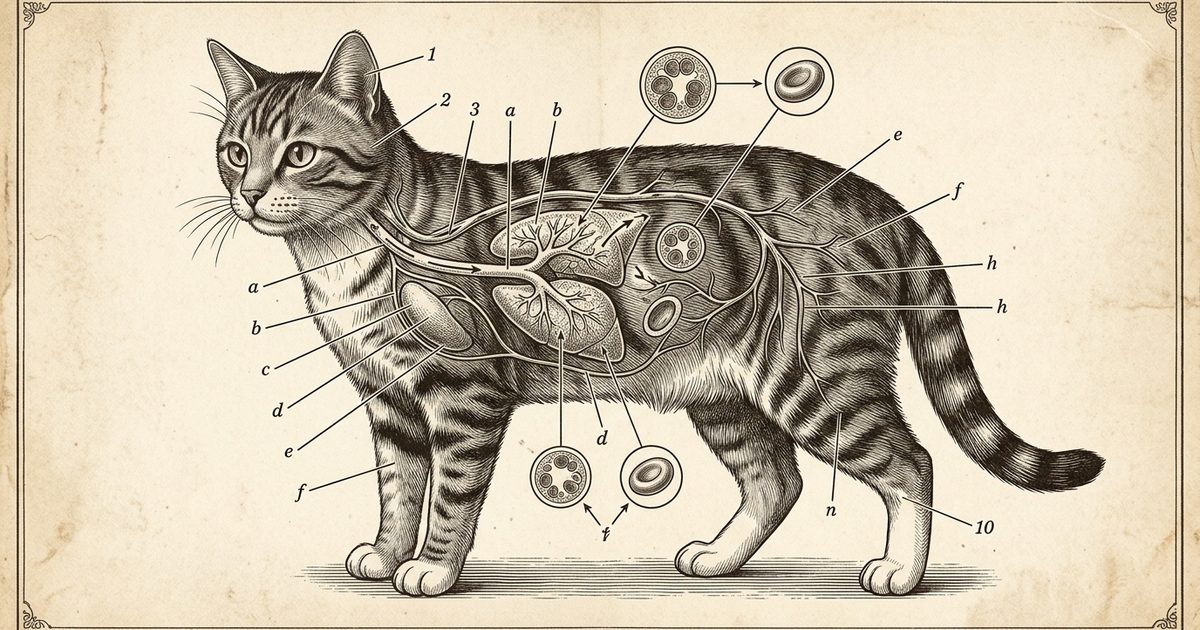
The main signs of anemia in cats are pale gums and tongue, tiredness and weakness, rapid or labored breathing, a drop in appetite, and — if there is internal bleeding — dark, tarry stools. Cats hide weakness well, so any of these, especially pale gums, warrants a prompt vet check.
Pale gums and tongue
Healthy cat gums are a moist bubblegum pink. Anemic gums look pale pink, washed-out white, or in serious cases slightly bluish, because there is less oxygenated blood flowing through the tissue. This is the single most useful sign an owner can check at home — you do not need any equipment, just a calm moment and a gentle lift of the lip. Pale gums are the bridge to the gum-check guidance later in this article, where the exact how-to and the "when pale means vet now" rule live. International Cat Care has clear, trustworthy guidance on checking your cat's gums and what the colors mean.
Lethargy and weakness
An anemic cat sleeps more, is slow to rise, stops jumping onto favorite perches, and tires after very little activity. Oxygen-starved muscles simply have nothing to give. Often this is the first thing an owner notices — a cat who is "just not herself" — before anyone thinks to look at the gums. It is easy to put down to age or an off day, which is why pairing it with a gum check is so valuable.
Rapid or labored breathing
To compensate for carrying less oxygen, the body breathes faster to pull more in. You may notice faster or deeper breaths during exertion, or — more worryingly — when the cat is at rest. Rapid breathing at rest is a red flag that links directly to the breathing-effort warning in the gum-check section: if the gums are pale and the breathing is fast, this is a same-day situation, not a wait-and-see one.
Loss of appetite and weight
Anemic cats often eat less simply because they feel unwell, and over time that can lead to weight loss. Appetite change is rarely the first or only sign, but it stacks onto the picture alongside lethargy and pale gums. If you are tracking unexplained weight loss, our guide to healthy cat weight covers the fuller picture — we won't re-derive it here.
Dark, tarry stools (melena)
If blood is being lost into the digestive tract, it gets digested as it passes through, and the stool comes out black, sticky, and shiny rather than brown — this is called melena. It points to internal bleeding somewhere in the gut: an ulcer, a tumor, or a heavy parasite load. It is not routine vomiting or diarrhea, and it should never be dismissed — dark, tarry stools are a reason to call the vet the same day.

What Causes Anemia in Cats?
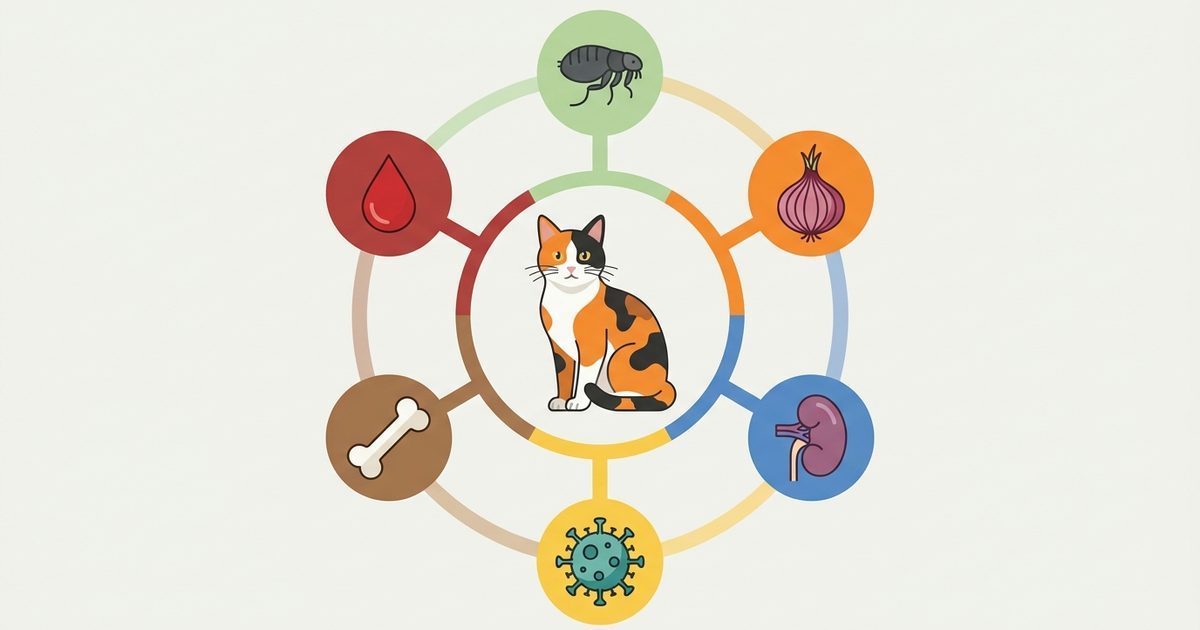
Anemia in cats has three broad causes: blood loss (fleas, parasites, trauma, ulcers), destruction of red blood cells (toxins like onion and garlic, infections like FIV and FeLV, immune-mediated disease), and too little production (kidney disease, bone marrow problems, poor nutrition). The vet's job is finding which.
Because anemia is a symptom rather than a disease, the cause matters more than the number on the blood test. Every anemic cat is anemic for a reason, and these three groups cover nearly all of them.
Blood loss
The most direct cause is losing red cells faster than the body can replace them. Heavy flea or tick infestations drain small but constant amounts of blood, and in kittens — small, still-growing, and with very little blood volume to spare — a serious flea load can tip them into anemia surprisingly fast. This kind of flea-bite anemia is common, dangerous, and almost entirely preventable with regular parasite control. Hookworms and other intestinal parasites work the same way from the inside out; you can read more in our guide to worms in cats. Traumatic injury, surgery, and internal bleeding from a stomach ulcer or a tumor can also drain red cells faster than the marrow can replace them.
Destruction of red blood cells (hemolysis)
Sometimes the red cells are being made in normal numbers but are getting destroyed before their time. The most owner-actionable cause on this list is a toxin: onions and garlic, in any form — raw, cooked, powdered, or hidden in baby food or broth — damage a cat's red blood cells and cause them to rupture, a condition called Heinz body anemia. There is no safe household dose. If you want the full breakdown of why these foods are dangerous, see our articles on whether cats can eat onion and whether cats can eat garlic.
Viral infections are the next group. FIV and FeLV can trigger red-cell destruction directly or suppress the bone marrow's ability to make new ones — more on that in our FIV in cats article. Finally, the cat's own immune system can turn on its red cells in a condition called immune-mediated hemolytic anemia, or IMHA. IMHA is serious, it is not something an owner can diagnose at home, and it needs prompt veterinary work.
Decreased red blood cell production
The third group is when the body simply isn't making enough red cells. In older cats, chronic kidney disease is a leading cause — the kidneys produce erythropoietin, the hormone that tells the bone marrow to manufacture red cells, and when the kidneys fail, that signal weakens and production falls. We cover the full disease in our cat kidney disease article. Rarer causes include bone marrow disorders such as aplasia or leukemia, and severe, long-term poor nutrition. The Cornell Feline Health Center is a reliable reference for the full range of causes behind feline anemia.
Which cause is most likely?
No single cause fits every cat — it depends on age, lifestyle, and history. A kitten covered in fleas, a cat that got into onion or garlic, a senior with kidney disease, and an unvaccinated outdoor cat exposed to FIV or FeLV each point toward a very different culprit. Even indoor cats aren't immune: kidney disease, immune-mediated anemia, and accidental toxin exposure from a kitchen ingredient still occur behind closed doors. Rather than guessing, the vet matches the cat's history and age to the test results, which is why the diagnosis matters as much as the anemia itself.
How to Check Your Cat's Gums (and When Pale Means Vet Now)
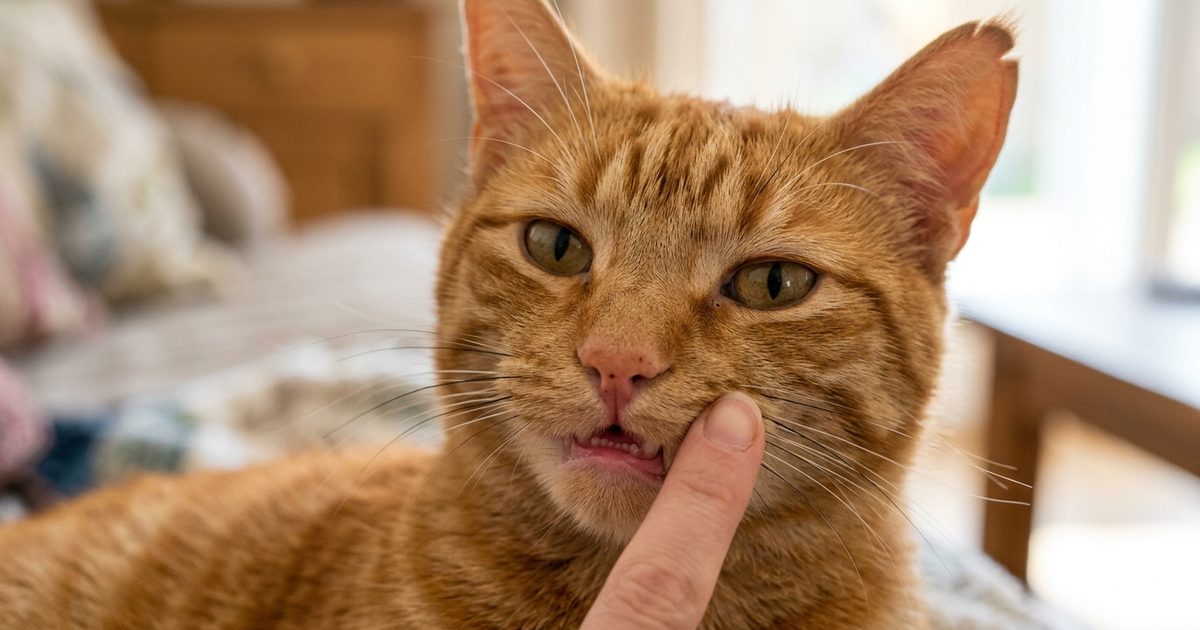
Lift your cat's upper lip and look at the gums: healthy gums are a moist bubblegum pink. Pale pink, white, or bluish gums — especially with weakness or fast breathing — mean call your vet the same day; it can be a sign of serious anemia and should not wait.
Of all the signs of anemia, gum color is the one you can actually check at home, and it takes about five seconds. It is also the one that most reliably separates "keep an eye on it" from "call the vet now."
How to check the gums
Pick a calm moment when your cat is relaxed on your lap or resting beside you. Gently lift the upper lip over one of the long canine teeth and look at the gum line above it, and at the tongue if you can see it. Healthy gums are a moist, shiny bubblegum pink. You can also press a finger gently against the gum for a second, then let go: the spot should blanch white and return to pink within one to two seconds. That little test — called capillary refill time — is a quick read on circulation, and you do not need any equipment to do it.
What the colors mean
A moist bubblegum pink is what you want to see. Pale pink or white gums suggest possible anemia or blood loss — there simply aren't enough red cells to give the tissue its color. Bluish gums mean oxygen is not reaching the tissues properly, and that is an emergency regardless of the cause. Bright brick-red gums can point to sepsis or certain kinds of poisoning, and they are urgent too. The general rule is simple: any color that is not a healthy pink warrants a vet visit.
Pale gums are not always anemia — but always a vet
It is worth being honest about this: pale gums are very often a sign of anemia, but they can also signal shock, heart disease, pain, or poor circulation. The reason that distinction matters is not so you can decide whether to wait — it is so you understand why pale gums are never a "watch and see" sign. Whatever the underlying cause, the safe action is the same. International Cat Care is clear that pale gums in a cat should prompt prompt veterinary attention, and we agree: do not reassure yourself that pale gums are probably fine.
What to do right now
Keep your cat calm and warm, and do not offer food or medicine — many human medications are toxic to cats and will only make things worse. Note any other signs you have seen (breathing rate, stools, appetite, energy), then call your vet and describe the gum color. Most clinics will want to see a cat with pale gums the same day, and that promptness genuinely changes outcomes.
How Vets Diagnose Anemia in Cats
A vet diagnoses anemia with a complete blood count (CBC) — a small blood sample that measures red blood cells, hematocrit, and hemoglobin — and then runs further tests to find the underlying cause: a reticulocyte count, biochemistry panel, infectious-disease screens, and a bone marrow sample. Treating the anemia means treating what is causing it.
The complete blood count (CBC)
The single most important test in working up suspected anemia is the complete blood count. From a small blood sample, the lab reports the red blood cell count, the hematocrit (the percentage of blood made up of red cells), and the hemoglobin concentration. Together these confirm whether anemia is actually present and grade how severe it is — mild, moderate, or dangerous.
If your cat has pale gums or unexplained weakness, expect a CBC to be among the first tests offered. It is fast, requires only a tiny volume of blood, and gives the vet a clear, objective starting point. The Cornell Feline Health Center describes the CBC as the foundation for evaluating any cat with signs of low oxygen-carrying capacity — and it is the test that turns a suspicion into a measurable fact.
Finding the cause
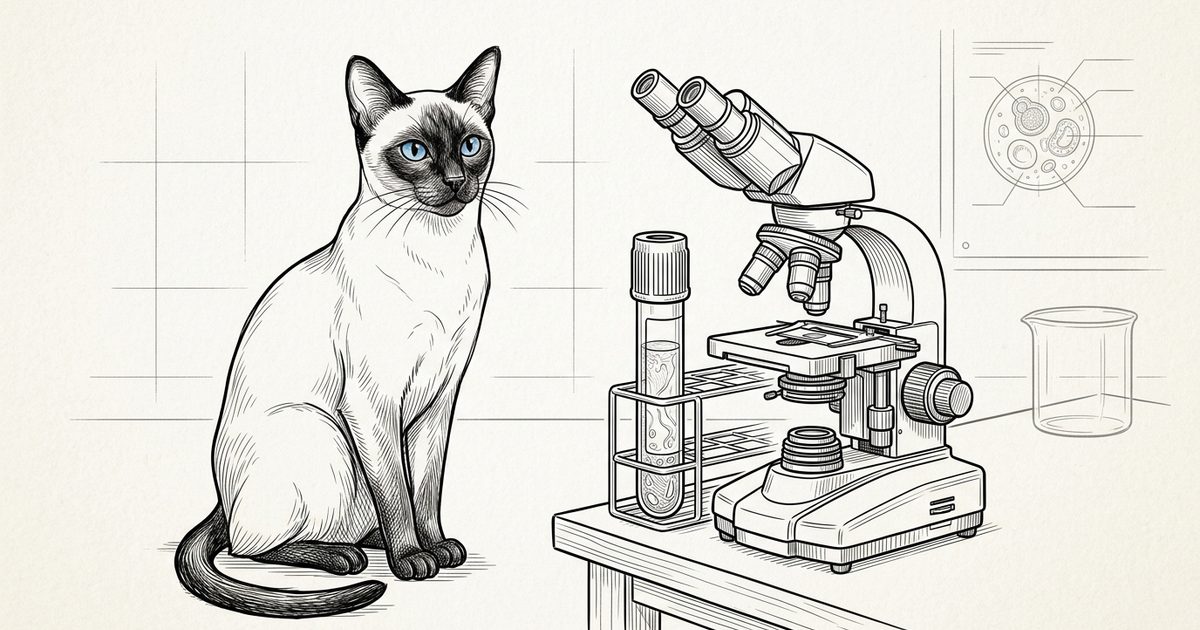
Confirming anemia is the easy part; finding why is the real work. A vet builds a picture from a toolkit of tests, matched to the individual cat's history and age:
- A reticulocyte count tells the vet whether the bone marrow is trying to replace lost cells — the key fork between regenerative and non-regenerative anemia.
- A biochemistry panel checks kidney and liver function, since chronic kidney disease is a leading cause of under-production anemia in older cats (we cover the disease itself in our cat kidney disease guide).
- FeLV and FIV tests screen for viral causes that can trigger red-cell destruction or marrow suppression — see our FIV in cats deep-dive for the virus itself.
- A fecal sample checks for hookworms and other parasites that quietly drain blood, especially in kittens (our cat worms article covers the parasite side in full).
- Imaging or a bone marrow biopsy is needed in some cases — an x-ray or ultrasound can reveal internal bleeding or a tumor, and a small marrow sample answers questions when production itself looks faulty.
None of this is a checklist an owner runs through. It is the vet's diagnostic toolkit, sequenced to the cat in front of them.
What regenerative vs non-regenerative means
This distinction matters because it points the investigation in two very different directions. Regenerative anemia means the bone marrow is still making new red cells and releasing them early — it usually points toward blood loss or red-cell destruction, where the body is losing cells faster than it can replace them. Non-regenerative anemia means the marrow is not keeping up, which points toward chronic kidney disease, bone marrow disorders, or long-term inflammation.
In one line: the marrow's response (or lack of it) tells the vet where to look next, and that is why a single blood test is never the end of the workup.
How Is Anemia in Cats Treated?
Treatment depends entirely on the underlying cause. Severe anemia may need a blood transfusion to stabilize the cat first; then the real problem is treated — deworming for parasites, kidney support, immune-suppressing drugs for IMHA, or removing the toxin. Iron or other supplements help only when a true deficiency has been confirmed.
Stabilizing severe anemia
When a cat is dangerously anemic, the body's organs are starved of oxygen and the immediate priority is to keep the cat alive long enough to find the cause. A blood transfusion — using blood from a screened donor cat — can be life-saving in this window. It is an emergency procedure done at the clinic, often at a 24-hour hospital, and it buys time rather than fixing anything.
Think of a transfusion as a bridge. It restores enough red cells to stabilize breathing, energy, and organ function while the vet works on what is actually causing the loss or destruction. Without addressing the cause, the transfused cells will eventually be lost or destroyed too.
Treating the underlying cause
Once the cat is stable, treatment turns to the cause — because the cause is the treatment:
- Fleas and parasites → dewormer and ongoing parasite control. Flea-anemia in kittens is common and entirely preventable.
- Kidney disease → erythropoiesis-stimulating agents (synthetic versions of the hormone failing kidneys stop making) plus full kidney management — covered in our cat kidney disease guide.
- Infections (FeLV/FIV) → antiviral or supportive care, focused on quality of life and managing secondary issues.
- Immune-mediated hemolytic anemia (IMHA) → immunosuppressive drugs to stop the cat's own immune system attacking its red cells.
- An ulcer or tumor → surgery or targeted treatment to stop the bleeding at its source.
- Toxins (onion, garlic) → stop the exposure immediately and supportive care; there is no safe household dose — see our can cats eat onion and can cats eat garlic guides.
Iron and supplements — only when confirmed deficient
This is where a common myth needs correcting head-on. Many owners assume anemia means "give iron," but iron supplements help only when the cat is genuinely iron-deficient — usually the result of chronic blood loss, such as long-standing parasite load or slow GI bleeding.
For hemolytic anemia, kidney-related anemia, or marrow disorders, iron will not help and can actually cause iron toxicity, which damages the liver and other organs. Supplements in a cat should always be vet-guided and based on confirmed deficiency — never self-dosed from a human pharmacy. Giving the wrong supplement to the wrong anemia does not just fail; it can make things worse.
What owners do during recovery
Once home, the practical side is straightforward: give every medication exactly as prescribed, keep the cat calm and rested, and attend the follow-up blood tests the vet schedules — recovery is tracked by repeating the CBC, not by guessing. Treat the environment too: stay on top of flea control, remove any access to onions, garlic, or onion/garlic-containing foods, and keep vaccinations current. Short, consistent habits do most of the work.

Anemia in Cats at a Glance — Summary
| Question | Short answer |
|---|---|
| What is anemia in cats? | Too few red blood cells or hemoglobin, so tissues get less oxygen — a symptom, not a disease. |
| What are the main signs? | Pale gums, tiredness, rapid breathing, appetite loss, and dark tarry stools if there's internal bleeding. |
| What causes it? | Blood loss, red blood cell destruction (toxins, infection), or too little production (kidney or marrow issues). |
| How do I check the gums? | Lift the upper lip: healthy gums are moist bubblegum pink; pale, white, or bluish means call the vet. |
| How is it diagnosed? | A complete blood count confirms it, then further tests locate the underlying cause driving it. |
| How is it treated? | By treating the cause — a transfusion stabilizes severe cases, then parasites, kidneys, or toxins are addressed. |
| Do iron supplements help? | Only when a true iron deficiency is confirmed; for other anemias they won't help and can be toxic. |
| When is it an emergency? | White or bluish gums, collapse, or rapid breathing at rest — call your vet the same day. |
Curious What Your Cat Would Say?
Upload a photo and get a warm, personalized reading from your cat's perspective.
Start Your Free ReadingFrequently Asked Questions
What is anemia in cats?
Anemia in cats means the blood has too few red blood cells or too little hemoglobin, so less oxygen reaches the body's tissues. It is never a disease on its own — it is always a sign of an underlying cause, like blood loss, infection, or kidney disease, that your vet needs to find and treat.
What are the signs of anemia in cats?
The main signs are pale or white gums, tiredness and weakness, rapid or labored breathing, a drop in appetite, and — if there is internal bleeding — dark, tarry stools. Cats hide weakness well, so pale gums are the single most useful sign you can check at home.
What causes anemia in cats?
There are three broad causes: blood loss (fleas, parasites, trauma, ulcers), destruction of red blood cells (onion and garlic toxins, FIV and FeLV infections, immune-mediated disease), and too little production (kidney disease, bone marrow problems, poor nutrition). The vet's job is finding which one applies to your cat.
How do I check my cat's gums for anemia?
Lift the upper lip over a canine tooth in a calm moment and look at the gum line. Healthy gums are a moist bubblegum pink. Pale pink, white, or bluish gums — especially with weakness or fast breathing — mean call your vet the same day rather than waiting to see.
Can a cat recover from anemia?
Yes — many cats recover fully, but only because the underlying cause was found and treated. Severe anemia may need a blood transfusion to stabilize the cat first, and recovery is tracked with follow-up blood tests rather than guesswork. The cause is the real treatment.
Can iron supplements treat my cat's anemia?
Iron helps only when the cat is genuinely iron-deficient, usually from long-term blood loss. For hemolytic, kidney-related, or marrow-related anemia, iron will not help and can actually cause iron toxicity. Supplements should always be vet-guided and based on confirmed deficiency — never self-dosed.
Is anemia in cats an emergency?
It can be. White or bluish gums, collapse, or rapid breathing while at rest are red flags that mean call your vet the same day. Severe anemia starves the organs of oxygen and is a genuine medical emergency, while mild anemia may just make a cat seem a little quiet.
Can onions and garlic cause anemia in cats?
Yes, and strongly. Any form of onion or garlic — raw, cooked, powdered, or hidden in baby food or broth — damages a cat's red blood cells and causes them to rupture, a condition called Heinz body anemia. There is no safe household dose, so keep all alliums out of reach.
Sources & References
You Might Also Like
Kitten Teething: Timeline, Symptoms & How to Help
Kitten teething runs from 3 to 7 months as baby teeth fall out. Learn the timeline, signs to watch for, and how to soothe a teething kitten safely.
15 min readWhen Do Cats Stop Growing? A Complete Timeline
When do cats stop growing? Most cats reach adult size by 12-18 months, but large breeds like Maine Coons keep growing until 3-4 years. Full timeline inside.
14 min readCan Cats Eat Cherries? Flesh, Pit & Toxicity Facts
Can cats eat cherries? Pitted flesh is safe in tiny amounts — but the pit, stem, and leaves are toxic (cyanide precursors). Learn what's safe and what isn't.
15 min read