
Are Roses Toxic to Cats? The Safe Bloom With a Catch
When owners ask whether are roses toxic to cats, the honest answer splits in two: the bloom itself is safe, while thorns, pesticide residue, and fillers like baby's breath carry the real risk. That is why so many "are roses poisonous to cats" searches — and so many "baby's breath toxic to cats" headlines — end up pointing at the same misunderstanding. Knowing which claims to trust starts with separating the plant from the arrangement around it.
Key takeaways
- True roses (Rosa species) are non-toxic to cats — petals, leaves, and stems will not poison them.
- The real dangers are thorns (mouth, paw, or eye injury), pesticide and fertilizer residue on florist roses, and toxic bouquet fillers like baby's breath.
- Wash florist roses, remove thorns, and check the whole arrangement — or choose cat-safe plants instead.
Roses and Cats — Quick Reference
| Rose element | Toxic? | Real risk |
|---|---|---|
| Petals | No | Negligible — mild stomach upset only if eaten in bulk |
| Leaves & stems | No | Mild GI irritation if chewed in quantity |
| Thorns | No (mechanical) | Puncture wounds to mouth, paw pads, or eyes |
| Pesticide residue | Yes | GI upset from chemicals on florist roses and in vase water |
| Bouquet fillers | Often | Baby's breath, some ferns, alstroemeria can be mildly toxic |
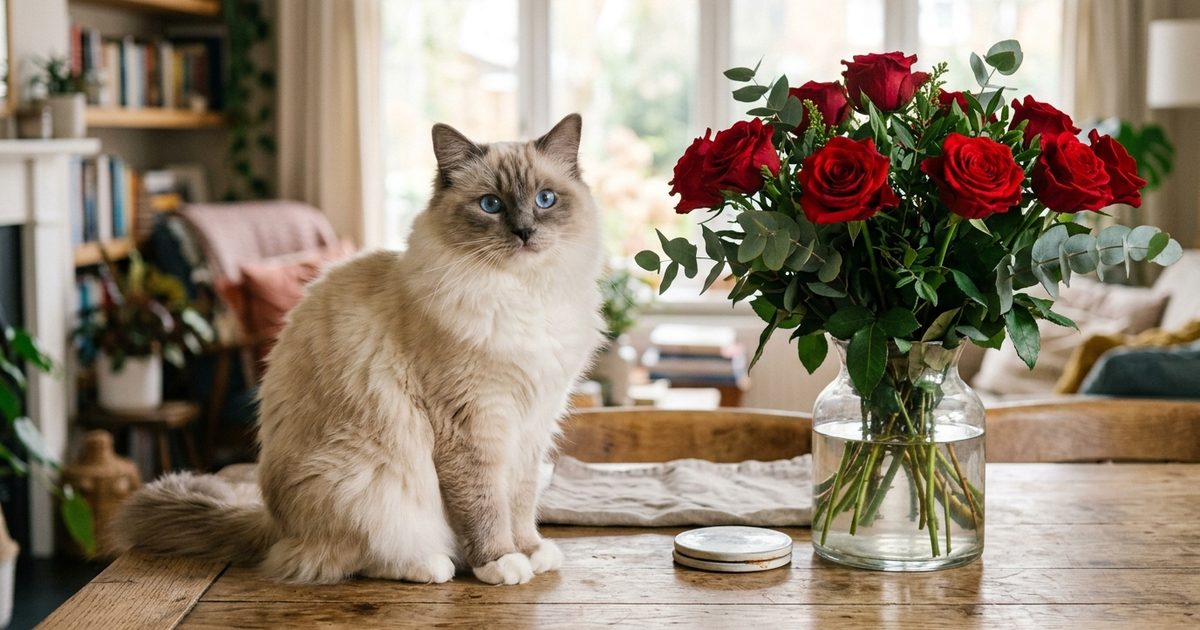
Are Roses Toxic to Cats? The Direct Answer
True roses — plants of the genus Rosa — are not toxic to cats. The petals, leaves, and stems contain no compounds that poison felines, so a nibbled petal will not chemically harm a cat. The toxicity fear is misplaced: the plant is safe, but the bouquet around it usually is not.
This is the headline reassurance most cat owners are looking for, and it holds up. If your cat took a bite of a genuine rose petal, the worst you'd usually see is mild stomach irritation from eating something fibrous and unfamiliar — the same reaction as nibbling any non-toxic houseplant. There is no rose toxin, no organ-damaging compound, no emergency. That puts true roses in a very different category from genuinely deadly blooms like lilies, which can cause fatal kidney failure in cats from even tiny exposures.
The confusion comes from how casually people use the word "rose." Many plants with "rose" in their common name are not roses at all, and some of those look-alikes are genuinely dangerous. So before any risk discussion, it helps to be precise about what a rose actually is — and why so many owners end up worrying about the wrong plant.
What makes a rose a rose
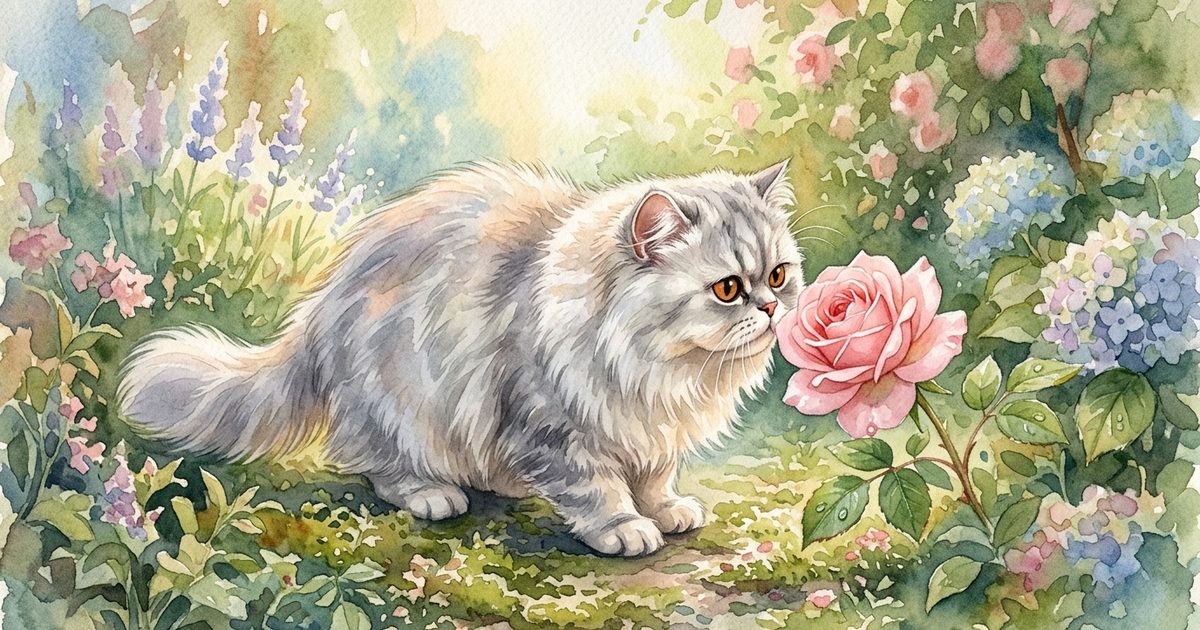
A true rose is any plant in the genus Rosa — and that covers nearly every bloom you'd recognize as a rose. Garden roses, long-stemmed florist roses, wild roses, climbing roses, and old-fashioned cabbage roses all belong to the same genus. They share the same basic chemistry, which is why the safety profile is consistent across the group: none of them produce compounds that poison cats. The ASPCA's toxic and non-toxic plant database lists Rosa species as non-toxic to cats, dogs, and horses, which is about as authoritative a reassurance as a worried owner can find. A petal from a $4 supermarket rose and a petal from a wild dog rose carry the same harmless chemistry.
Why the confusion exists
The word "rose" gets attached to dozens of unrelated plants — rose-of-sharon, rosemary, Christmas rose, desert rose, lenten rose, moss rose. None of these are true roses; they earned the name because their flowers look vaguely rose-like or they share a historical association. Some are harmless, but others, like desert rose and Christmas rose, are genuinely toxic to cats. That naming overlap is the source of most "rose poisoning" headlines you'll find online: the story is usually about a look-alike, not a true Rosa. We break down exactly which of these names are dangerous in the section on which "roses" are not actually safe further down. For now, the rule of thumb is simple: if the plant is genuinely in the genus Rosa, the chemical danger to your cat is essentially zero.
What Are the Real Risks of Roses Around Cats?
The genuine dangers are thorns, chemicals, and fillers. Thorny stems can puncture a cat's mouth, paw pads, or eyes; commercial roses are sprayed with pesticides and fertilizers that leave toxic residue on petals and leaves; and common bouquet fillers like baby's breath are mildly toxic to cats if chewed.
So the rose itself is safe — but roses in a home rarely arrive alone or untreated. The risks worth taking seriously are all things attached to, sprayed on, or arranged around the bloom. None of these will cause the catastrophic organ failure associated with lily exposure, but each can still mean an uncomfortable cat, a vet visit, or a preventable injury. Understanding the mechanism behind each one tells you exactly what to check before bringing roses indoors, and why a "safe plant, risky bouquet" framing is more accurate than either "roses are safe" or "roses are dangerous."
Thorns — the most common rose injury
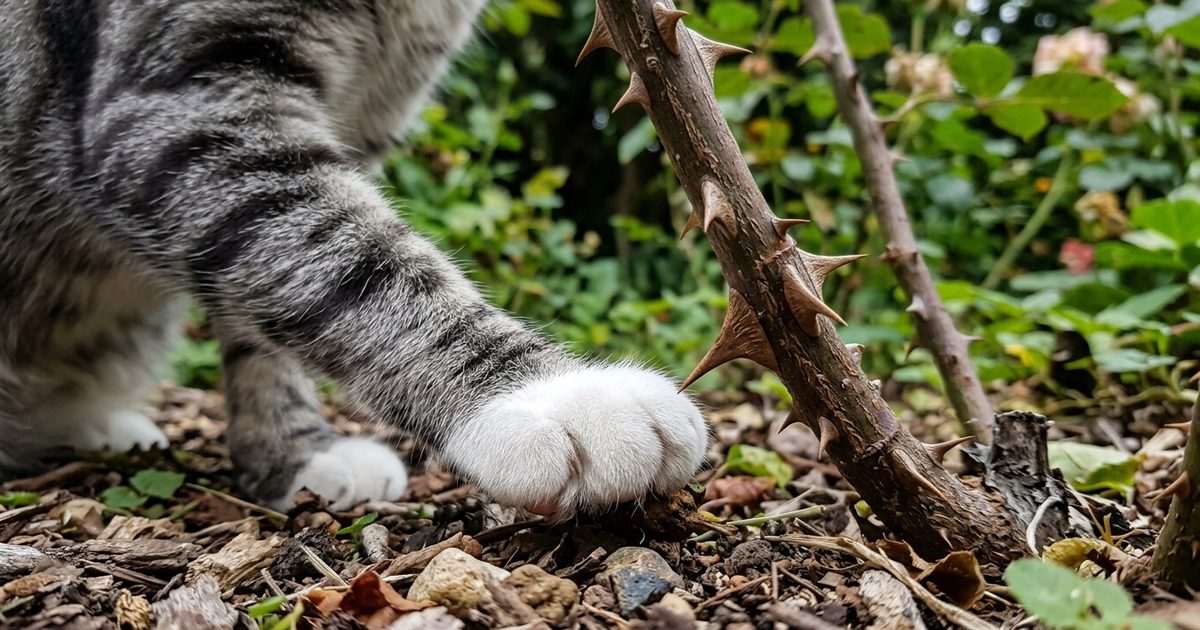
Thorns are the most underestimated hazard, because they cause mechanical injury rather than chemical poisoning. A cat that chews a woody stem can puncture its tongue, the roof of its mouth, or its gums; one that bats at a stem can drive a thorn into a paw pad; and a cat that rubs against a bouquet can scratch the surface of an eye, which is a genuine veterinary concern. On top of the immediate wound, thorns carry soil-borne bacteria, so even a small puncture can become infected. This is exactly why thorn-stripping matters so much before roses come indoors — removing the thorns removes most of the physical risk in one step. Compared with another cat-safe bloom like orchids, which have no thorns at all, roses demand this extra layer of preparation.
Pesticides and fertilizers
Florist roses are a commercial crop, and they are routinely treated with fungicides, insecticides, and preservatives designed to keep them picture-perfect from greenhouse to vase. That treatment leaves residue — on the petals, on the leaves, and leaching into the vase water. Some pesticides are systemic, meaning they're absorbed into the plant's tissue and cannot be washed off at all. The realistic risk to a cat is low-dose gastrointestinal upset from licking treated petals or drinking vase water, not acute poisoning. The Cornell Feline Health Center covers household plant and chemical hazards in more depth, and their guidance on cut flowers is worth reading if you bring bouquets home regularly. Rinsing stems and petals under running water and changing the vase water daily removes the surface residue that's most accessible to a curious tongue.
Toxic bouquet fillers
This is where most "my cat got sick from roses" stories actually originate. Baby's breath (Gypsophila), the cloud-like white filler packed around nearly every florist rose, is mildly toxic to cats — typically causing drooling, vomiting, or mild dermatitis if chewed. Some asparagus fern species used as filler are also toxic, and alstroemeria (Peruvian lily) is a mild gastrointestinal and skin irritant. The pattern is consistent: the cat gets sick, the owner blames the rose, and the real culprit was the greenery tucked in beside it. The practical takeaway is to inspect every element of an arrangement, not just the blooms — and if you want to skip the detective work entirely, the cat-safe plants catalog lists flowers and foliage you can bring home without checking each stem.
Which "Roses" Are Not Actually Safe for Cats?
Several plants called "rose" are not true roses and are not all safe. Rose-of-sharon, desert rose, and Christmas rose (hellebore) can be toxic to cats; rosemary is generally safe but is a herb, not a rose. If the plant is not in the genus Rosa, treat the name as a warning label, not a guarantee.
The word "rose" gets attached to dozens of plants that share nothing with a true rose except a vague resemblance in flower shape. This is why "rose poisoning" headlines can be so misleading — they usually refer to one of these look-alikes, not to a Rosa at all. If you're asking yourself are roses toxic to cats, the safest habit is to confirm the plant's Latin name before trusting the common one. The Cornell Feline Health Center emphasizes that common names cause a great deal of confusion in plant-toxicity calls, because the same name can belong to both safe and dangerous species.

Rose-of-sharon (Hibiscus syriacus)
Rose-of-sharon is a hardy garden shrub with large, trumpet-shaped flowers — not a rose at all, but a hibiscus. From a distance its blooms can be mistaken for a garden rose, which is where the trouble starts. Hibiscus species are known to cause mild to moderate gastrointestinal upset in cats (vomiting, diarrhea, loss of appetite), so a cat nibbling rose-of-sharon is not the same scenario as a cat nibbling a true rose.
Desert rose (Adenium)
The desert Rose is an ornamental succulent with a swollen trunk and vivid pink-red flowers, and it is genuinely dangerous. It contains potent cardiac glycosides — the same class of compound found in foxglove — which can disrupt heart rhythm, cause severe vomiting, and in serious cases be fatal to cats. The "rose" here is purely descriptive, referring to the flower's shape, and the plant shares no lineage with true roses. If you keep one as a houseplant, treat it the way you'd treat a lily: keep it entirely out of a cat's reach.
Christmas rose / Lenten rose (Helleborus)
The Christmas rose and Lenten rose are winter-blooming garden perennials whose cup-shaped flowers give them their common name. They are hellebores, and they contain glycosides and saponins that are toxic to cats, causing drooling, abdominal pain, vomiting, and diarrhea if chewed. Because they flower in the colder months when little else is in bloom, they sometimes end up in indoor arrangements — another reason to identify every green in a bouquet, not just the obvious flowers.
Rosemary (Salvia rosmarinus)
Rosemary is the one member of this list that's genuinely low-risk: the culinary herb is generally considered non-toxic to cats in small amounts. But it is still not a rose — it's a mint-family herb — and a cat that eats a significant quantity can develop the same mild gastrointestinal upset any strong, aromatic plant would cause. Safe in a kitchen garden, but don't be lulled by the name.
What Should I Watch For When My Cat Is Near Roses?
Watch for thorn chewing on stems, pawing at the vase, and interest in the filler greens rather than the roses themselves. Cats that chew woody stems risk mouth and throat punctures; those that lick pesticide-coated petals or drink vase water risk chemical GI upset; and the bouquet's non-rose elements are often the real target.
Even with a confirmed-safe true rose, vigilance matters more than the bloom itself. Cats don't usually sit down and eat rose petals — they're far more likely to chew the woody stems, bat at the vase, or zero in on the textured greenery tucked between the flowers. Each of those behaviors carries a different risk. The ASPCA Animal Poison Control line is the right call if you see any of them escalate into drooling, vomiting, or distress.
Chewing thorny stems
The most common rose-related injury isn't poisoning — it's mechanical. A cat that gnaws a thorny stem can puncture its mouth, tongue, or the soft tissue of the throat, and the signs are usually immediate: drooling, pawing at the mouth, reluctance to eat, or sudden fussiness with food. Soil-borne bacteria on the thorn can also seed an infection at the puncture site. This is the injury pattern most worth preventing — strip thorns before a stem ever comes indoors.
Petal-licking and vase water
Florist roses are routinely treated with fungicides, insecticides, and preservatives, and some of that residue stays on the petals and dissolves into the vase water over time. A cat that licks coated petals or drinks stale vase water may develop mild gastrointestinal upset — the kind that shows up as a bout of cat vomiting or diarrhea. Changing the vase water daily, and rinsing stems under running water before arranging them, sharply reduces how much residue a curious tongue can reach.
Interest in the fillers
Here's the part many owners overlook: cats often ignore the roses entirely and go straight for the filler greens. The ferns, baby's breath, and alstroemeria tucked between the blooms are frequently more textured, more interesting to bat at, and — in several common cases — more toxic than the roses themselves. A cat that seems to be "playing with the roses" may actually be chewing baby's breath. Inspect every element of the arrangement, not just the flowers, and when in doubt choose a genuinely cat-safe bloom like an orchid instead.

What Symptoms Should I Worry About After Rose Exposure?
Watch for drooling, pawing at the mouth, bleeding, or reluctance to eat — these point to thorn injury — and vomiting, diarrhea, or lethargy, which suggest chemical or filler ingestion. Mouth injuries and persistent gastrointestinal signs both warrant a vet call; when in doubt, call rather than wait.
Most rose-exposure symptoms fall into two patterns, and telling them apart helps you act fast. The first comes from the thorn itself — a mechanical injury. The second comes from what was on the rose or beside it — pesticide residue, preservative-soaked vase water, or a toxic filler like baby's breath. True rose petals rarely cause more than mild stomach upset, so the source of the trouble is almost always something attached to the bouquet.
Thorn-injury signs
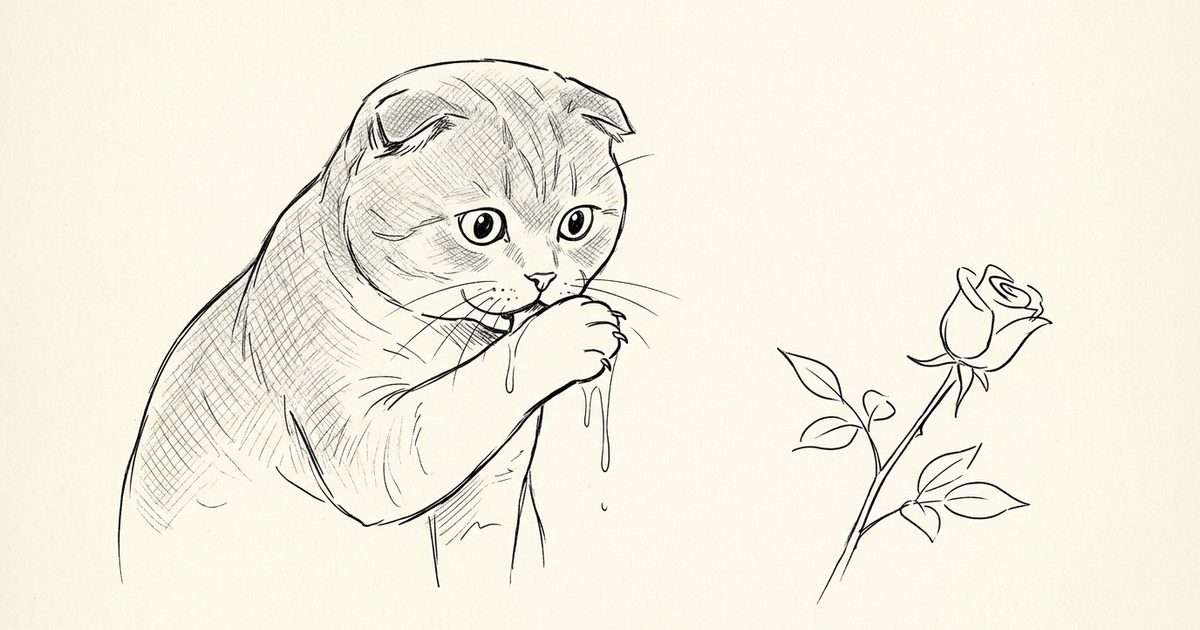
If your cat chewed a woody stem, look for drooling, repeated pawing at the mouth, and a sudden reluctance to eat or dropping of food. Visible punctures, bleeding from the gums or tongue, and a thorn fragment still embedded are the clearest signs. If a thorn caught the eye, you may see squinting, tearing, or pawing at the face — eye injuries escalate quickly. First aid is simple: rinse the mouth with cool water, check for any thorn tip left behind, and contact your vet if bleeding continues, a fragment is lodged, or the eye is involved.
Chemical and filler ingestion signs
Vomiting, diarrhea, drooling, lethargy, and loss of appetite are the typical signs after a cat licks pesticide-coated petals, drinks stale vase water, or chews a filler green. With true roses these symptoms are usually mild and self-limiting, but they can escalate sharply if the "rose" was actually a toxic look-alike like desert rose, or if a genuinely toxic filler was eaten in quantity. Call your vet or the ASPCA Animal Poison Control center with the plant name and roughly how much was eaten — having that information ready makes their guidance far faster and more accurate. Persistent vomiting, especially with blood, or a cat that becomes weak and unresponsive, is an emergency.
How Do I Keep My Cat Safe Around Roses?
Strip thorns before bringing roses indoors, wash florist stems thoroughly, remove any toxic fillers, keep the vase out of reach, and change the water daily. For a worry-free home, substitute with cat-safe plants like spider plants or parlor palms — roses are safe enough with these precautions.
You don't have to choose between your love of roses and your cat's safety. A few minutes of preparation removes almost all the real risks — the thorns, the chemical residue, and the toxic bouquet companions — and leaves you with a bloom that is, chemically, perfectly fine for a cat to live alongside. The steps below work whether you've been given a florist bouquet or cut stems from your own garden.
Prepare the bouquet
Before the roses come inside, strip every thorn with a dedicated thorn-stripping tool or a careful pairing knife, working from base to tip. Rinse the stems and petals under running water to remove pesticide and fertilizer residue — this matters most for florist roses, which are typically treated more heavily than garden blooms. Discard baby's breath and any unfamiliar filler greens, since baby's breath is mildly toxic to cats and is one of the most common culprits in bouquet-related upset. Choosing organic or untreated roses when you can spares you the residue problem entirely.
Placement and monitoring
Place the vase on a stable, high surface your cat can't reach — not a wobbly side table a determined jumper can knock over. For the first few hours, supervise and watch whether your cat shows interest in chewing the stems or drinking the vase water. Change the water daily to prevent bacterial growth and dissolved preservatives from accumulating. If your cat keeps returning to the bouquet, redirect the chewing instinct to a pot of fresh cat grass, which gives it something safe and satisfying to gnaw on.
Cat-safe alternatives
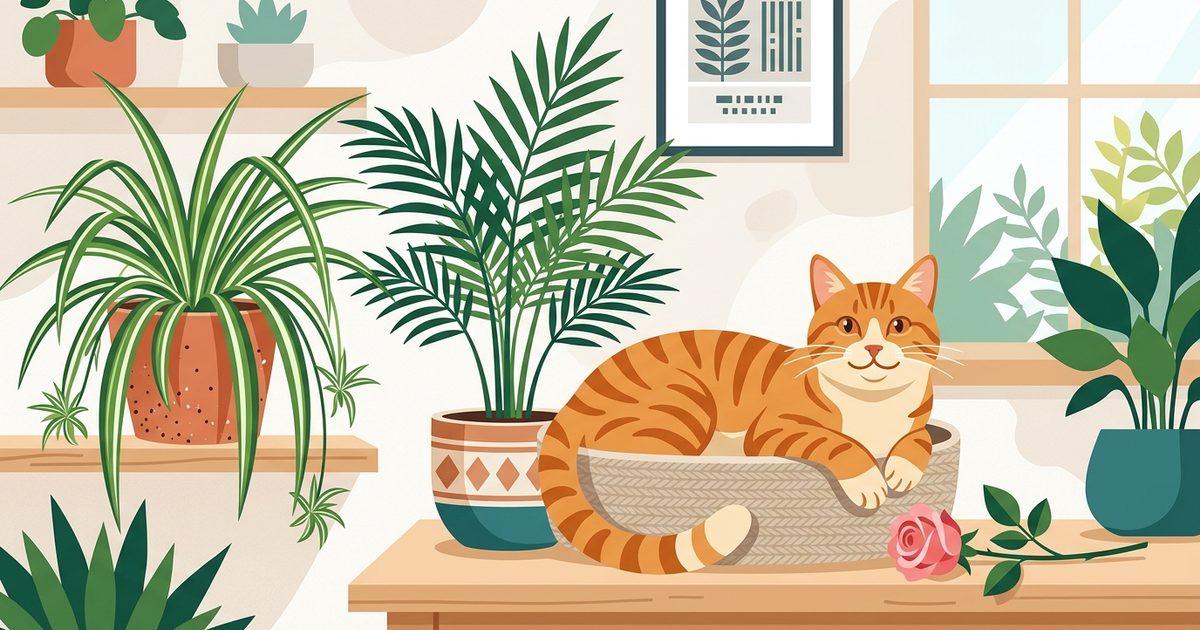
If you'd rather skip the precautions entirely, several beautiful plants let you green your home without a second thought. Spider plants, parlor palms, calatheas, and cat grass are all genuinely non-toxic and easy to grow — and if it's a cat-safe bloom you're after, orchids are another fine choice with an even milder risk profile than roses. You can find the full catalog of safe options in our guide to cat-safe plants. Roses-with-precautions and these alternatives are both valid ways to keep a beautiful, cat-friendly home — the only wrong choice is assuming a florist bouquet is safe straight from the wrapper.
Roses and Cats at a Glance — Summary
If you've read this far, you already have the full picture — true roses are the safe bloom in a dangerous bouquet. Here it is in one place, so you can scan before you bring flowers home.
| Question | Short answer |
|---|---|
| Are roses toxic to cats? | No — true roses (Rosa species) are non-toxic to cats; petals, leaves, and stems will not poison them. |
| Are rose petals safe? | Yes, chemically — a nibbled petal causes no poisoning, though eating a lot may mildly upset the stomach. |
| Do thorns hurt cats? | Yes — thorns puncture the mouth, tongue, paw pads, or eyes; strip them before the bouquet comes indoors. |
| Are florist pesticides dangerous? | They can be — residue on petals and in vase water may cause mild GI upset; wash stems thoroughly. |
| Is baby's breath in bouquets toxic? | Yes, mildly — baby's breath (Gypsophila) can cause vomiting and skin irritation if chewed. |
| Which "roses" are actually toxic? | Desert rose, Christmas rose (hellebore), and rose-of-sharon — none are true Rosa, and several are harmful. |
| How do I keep roses safe around cats? | Strip thorns, wash florist stems, remove toxic fillers, place the vase out of reach, and change the water daily. |
Curious What Your Cat Would Say?
Upload a photo and get a warm, personalized reading from your cat's perspective.
Start Your Free ReadingFrequently Asked Questions
Are roses toxic to cats?
No — true roses (Rosa species) are not toxic to cats. The petals, leaves, and stems contain no compounds that poison felines, so a nibbled petal causes no chemical harm. The real risks come from thorns, pesticide residue on florist roses, and toxic bouquet fillers like baby's breath.
Are rose petals toxic to cats if eaten?
Rose petals are not toxic. A cat that eats one or two petals usually shows no signs at all; eating a larger quantity may cause mild stomach upset, the same reaction as chewing any non-toxic houseplant. There is no rose toxin to worry about.
What happens if a cat eats a rose thorn?
The danger is mechanical, not chemical. A chewed thorn can puncture the mouth, tongue, gums, paw pads, or eye, and soil-borne bacteria on the thorn can seed an infection. Watch for drooling, pawing at the mouth, bleeding, or reluctance to eat, and call your vet if any persist.
Is baby's breath in rose bouquets toxic to cats?
Yes, mildly. Baby's breath (Gypsophila) — the cloud-like white filler packed around most florist roses — can cause drooling, vomiting, and skin irritation if chewed. It's one of the most common culprits behind 'my cat got sick from roses' stories, where the filler was the real problem.
Are wild roses safer for cats than florist roses?
Chemically, no — all true Rosa species share the same non-toxic profile, wild or cultivated. The meaningful difference is pesticide load: florist roses are routinely sprayed with fungicides and preservatives, while garden or wild blooms are usually untreated. Either way, strip thorns before bringing them indoors.
What should I do if my cat chewed a florist rose with pesticides?
Watch for vomiting, diarrhea, drooling, or lethargy — typically mild and self-limiting from low-dose residue. Rinse any petals or stems your cat can still reach, change the vase water, and call your vet or the ASPCA Animal Poison Control line if symptoms persist or worsen. Have the plant name and roughly how much was eaten ready.
Which plants called 'rose' are actually toxic to cats?
Desert rose (Adenium), Christmas rose and Lenten rose (Helleborus), and rose-of-sharon (Hibiscus syriacus) are the main ones — none are true Rosa. Desert rose contains cardiac glycosides and is genuinely dangerous; hellebores and rose-of-sharon cause gastrointestinal upset. Rosemary is safe but is a herb, not a rose.
How can I safely keep roses in a home with cats?
Strip every thorn before the bouquet comes indoors, rinse stems and petals under running water, discard baby's breath and any unfamiliar filler greens, place the vase on a stable surface your cat can't reach, and change the water daily. With those steps, true roses are perfectly safe to keep around cats.
Is the vase water from roses dangerous for cats?
It can be. Pesticide and preservative residue leaches off the stems into the water over time, and stale water also grows bacteria. A cat that drinks it may develop mild stomach upset. Changing the water daily, and rinsing stems before arranging them, removes most of the accessible residue.
Sources & References
You Might Also Like
Kitten Teething: Timeline, Symptoms & How to Help
Kitten teething runs from 3 to 7 months as baby teeth fall out. Learn the timeline, signs to watch for, and how to soothe a teething kitten safely.
15 min readWhen Do Cats Stop Growing? A Complete Timeline
When do cats stop growing? Most cats reach adult size by 12-18 months, but large breeds like Maine Coons keep growing until 3-4 years. Full timeline inside.
14 min readCan Cats Eat Cherries? Flesh, Pit & Toxicity Facts
Can cats eat cherries? Pitted flesh is safe in tiny amounts — but the pit, stem, and leaves are toxic (cyanide precursors). Learn what's safe and what isn't.
15 min read