
Blood in Cat Stool: Causes, Colors & When It's an Emergency
Finding blood in your cat's stool is one of those moments that stops you cold — and the first thing to know is that you are not overreacting by being worried. Blood in cat stool is never something to brush off as "probably fine," even when the amount looks small, and searches for cat blood in stool or cat pooping blood almost always come from a place of genuine alarm. The reassuring part is that many causes are common and very treatable once a vet identifies them, and not every case is an emergency. The single most useful thing your vet will want to know first is the color: bright red blood (hematochezia) usually points to the lower digestive tract, while black, tarry stool (melena) signals digested blood from higher up. That one detail steers the entire workup, which is why capturing it accurately matters so much.
Key takeaways
- Blood in the stool is never "fine" — even a small amount means the digestive tract or anal area is bleeding somewhere, and it always warrants a vet call, though severity ranges widely from mild to serious.
- Bright red blood (hematochezia) usually points to the colon or lower GI, while black tarry stool (melena) points to digested upper-GI bleeding — both need a vet, and melena is often more serious.
- Call your vet, bring a fresh stool sample or a clear color-accurate photo, and do not wait to "see if it clears up" — large volume, persistence, or accompanying lethargy, vomiting, or refusing food is an emergency.
Blood in Cat Stool — Quick Reference
| What you see | What it usually points to | What to do |
|---|---|---|
| A few red streaks on formed stool | Minor lower-GI or anal irritation, straining | Call your vet this week; bring a sample |
| Bright red blood mixed in loose stool | Colitis, parasites, or dietary irritation | Call your vet promptly — same or next day |
| Large volume of red blood | More significant lower-GI bleeding | Call the vet the same day; emergency clinic if after hours |
| Black, tarry stool (melena) | Digested upper-GI bleeding | Same-day vet — often more serious |
| Blood plus vomiting or lethargy | Possible systemic or GI crisis | Emergency — do not wait |
| Blood in urine, not the stool | Urinary tract, not digestive | See our guide on blood in urine / cat UTI signs |
How Common Is Blood in a Cat's Stool — and Should You Worry?
Blood in cat stool is common enough that most owners will see it at least once, and many causes are mild and treatable — but it is never normal. Even a small amount always warrants a vet call; the only question is how soon. Severity ranges widely, and only a vet can tell the difference.
How often it happens
Blood in the stool is common enough that most cat owners will encounter it at some point, but it is not an everyday occurrence in a healthy adult cat. It ranks among the more frequent reasons people bring their cats in for an unscheduled visit. Certain situations make it more likely: a recent diet change, a stressful event, intestinal parasites, or colon inflammation (colitis). Kittens, outdoor cats, and cats living in multi-cat households are overrepresented, largely because parasites and infections spread more easily in those settings. The key point is that "common" does not mean "ignore it" — it means your vet has seen it many times and knows exactly how to work through the likely causes.
The one rule: it's never "fine"
There is a persistent belief that a little blood in the stool is nothing to worry about. It is understandable where this comes from — a single red streak can look minor, and the cat may seem completely normal otherwise. But any visible blood means the digestive tract or the anal area is bleeding somewhere, and the source cannot be determined at home. Straining, colitis, parasites, and more serious disease can all produce an identical-looking streak. The responsible default is always a vet call. This is not alarmism; it is the cheap, safe move that rules out the expensive, dangerous possibilities. A phone call costs almost nothing; delaying on a real problem can cost a great deal.
When to calm down vs. stay alert
The reassurance here lives in the action plan, not in dismissing the sign. A few red streaks on an otherwise-normal stool, in a cat that is bright, eating, and behaving like itself, is usually lower-acuity — but it still warrants a same-week call to your vet rather than a wait-and-see approach. What should keep you alert and move the timeline to today is a large volume of blood, black or tarry stool, or a cat that has become lethargic, is vomiting, or has stopped eating. Those combinations suggest something more than minor irritation, and they change the conversation from "book an appointment" to "call now." Doing the right thing — contacting your vet — is itself the reassurance.
Bright Red vs Black Stool — What Does the Color Mean?
Bright red blood (hematochezia) is fresh and usually comes from the lower GI tract — the colon or rectum. Black, tarry stool (melena) is digested blood from higher up — the stomach or small intestine. Both need a vet, but melena often signals a more serious source of bleeding.
Hematochezia — bright red blood
Hematochezia is the medical term for fresh, bright red blood in or on the stool. You might see it as red streaks coating the surface of a formed stool, drops of blood in the litter, or red mixed through loose stool. Because the blood is fresh and still red, it almost always comes from the lower digestive tract — the colon, rectum, or anal area. Common sources include colitis (colon inflammation), intestinal parasites, dietary intolerance or a sudden food change, anal-gland irritation, and small tears from straining with hard stool. Hematochezia in cats is often more treatable than it sounds, because many of these causes respond well once identified — but volume and persistence raise the urgency. A few streaks once is one conversation with your vet; repeated bright-red blood, or a large amount, moves the timeline up. You can read more about lower-GI bleeding and stool color from the Cornell Feline Health Center, a leading authority on feline health.
Melena — black, tarry stool
Melena is the term for stool that appears black, dark, or coffee-ground-like, and it is often sticky and unusually foul-smelling. The dark color means the blood has been digested as it traveled down from higher in the digestive tract — the stomach or small intestine. Melena in cats can point to several more serious causes: stomach or intestinal ulcers, GI bleeding, poisoning (such as rodenticide), trauma from a swallowed foreign object, kidney disease (through a process called uremic gastritis, which irritates the stomach lining), or, less commonly, tumors. Because the bleeding source is higher up and the blood has been digested, melena is generally treated as more serious than bright red blood — the recommendation is a same-day vet visit. If your cat has known or suspected kidney issues, the renal-driven upper-GI bleeding path is one important possibility; see our overview of cat kidney disease for that connection.
Why the distinction matters — and its limits
The color of the blood is one of the strongest first clues your vet will have, because it points the workup in a clear direction — lower GI for bright red, upper GI for black and tarry. But it is a clue, not a diagnosis. Some lower-GI bleeds can appear darker than expected, and a cat owner's color memory of stool seen against litter is genuinely unreliable. That is why the practical advice is simple: capture the best photo you can in natural daylight, and bring a fresh stool sample to the visit if at all possible. Note the time, the color as you saw it, the approximate amount, and whether the blood was on the surface or mixed through. Then let your vet interpret it. Over-reading the color yourself — deciding it is "probably just straining" or "definitely colitis" — is where owners most often go wrong. International Cat Care is clear that any bleeding warrants a veterinary assessment, and that the color helps guide rather than replace that assessment.

What Causes Blood in a Cat's Stool?
Common causes include colitis (colon inflammation), intestinal parasites, dietary intolerance or sudden diet change, constipation or straining, infections, and trauma or a swallowed foreign object. Less often, inflammatory bowel disease, polyps, or tumors are responsible. A vet identifies the cause — owners usually cannot.
When a cat is pooping blood, the source usually sits in one of a handful of well-understood categories, and most of them respond well to treatment once they're correctly identified. The Cornell Feline Health Center stresses that the workup — not guesswork — is what turns a worrying symptom into a manageable one. Here is the full taxonomy of what can cause blood in cat stool, from the most common to the less frequent.
Colitis and colon inflammation
Colitis — inflammation of the colon lining — is one of the most frequent reasons a cat produces bright-red blood, often accompanied by mucus, on loose or soft stool. The colon's delicate lining bleeds easily when irritated, and that irritation can follow stress, a mild infection, or a dietary change. Cats with colitis may strain and visit the litter box more often than usual. Because the bleeding pattern looks alarming but often points to a treatable, localized problem, this is a cause your vet will check for early — but it still needs a proper diagnosis rather than a home assumption.
Intestinal parasites
Hookworms, whipworms, Giardia, and several other intestinal parasites damage the gut lining as they feed or attach, and that damage shows up as blood in the stool, frequently alongside diarrhea. Kittens, outdoor cats, and cats in multi-cat households carry the highest exposure because parasites spread through contaminated environments, prey, and shared litter areas. The reassuring part is that parasites are largely preventable and treatable — routine deworming and regular fecal checks keep most of these offenders in check. International Cat Care lists parasitic infection among the common, vet-addressable causes of gastrointestinal bleeding in cats.
Dietary intolerance and sudden change
A new food, treat, or an undetected food intolerance can inflame a cat's gut and produce bloody stool, and cats tolerate abrupt dietary change poorly — their digestive systems are built for consistency. The classic example is lactose: many cats cannot digest milk properly, and a saucer of it can trigger gut irritation and diarrhea (we break this down in can cats drink milk). The fix is identifying the trigger and removing it, ideally with your vet's guidance rather than by cycling through foods on your own.
Constipation, straining, and anal glands
Hard, dry stool and forceful straining can cause small bright-red streaks from irritation at the anus or lower rectum. This is the "just from straining" scenario — and it is real, often lower-acuity, and genuinely common. But it cannot simply be assumed: as noted above, the source cannot be told apart at home, since straining, colitis, and parasites look identical to an owner at the litter box. One additional point worth knowing is that impacted anal glands can also bleed when a cat passes a difficult stool, and this too is usually lower-acuity. A vet must confirm the source is only straining and not something worse. We cover the underlying mechanics in our guide to cat constipation.
Infections and trauma
Bacterial or viral enteritis, a foreign body scratching the gut lining as it passes, or physical trauma can all cause bleeding in the digestive tract. These cases sometimes come with fever, abdominal pain, or a drop in appetite, and they point to a problem that needs a prompt veterinary workup rather than monitoring at home. A cat that has swallowed something it shouldn't have, or picked up an infection, can worsen quickly — which is why this category moves the urgency up.
IBD, polyps, and tumors
Inflammatory bowel disease (IBD), benign polyps, and — more often in older cats — intestinal tumors can cause recurring or persistent blood in the stool. This is the chronic and recurrent bucket: bleeding that keeps coming back rather than appearing once and resolving. These conditions need real diagnosis through imaging, endoscopy, or biopsy, not home guessing. It is worth saying plainly, because it matters for your peace of mind: tumors are one possible cause, more often in senior cats with persistent bleeding, but the common causes above — colitis, parasites, diet, straining — are far more frequent and far more treatable. Seeing blood does not mean seeing the worst case, and jumping there helps no one. Let your vet work it up, and let the evidence do the talking.
When Is Blood in a Cat's Stool an Emergency?
Treat blood in cat stool as an emergency if there is a large volume, the bleeding persists over several hours or repeats, or the blood comes with lethargy, vomiting, refusing food, pain, or pale gums. Black tarry stool, kittens, and seniors raise urgency further — call your vet or an emergency clinic the same day.
Most cases of a few red streaks turn out to be manageable, but a small number escalate quickly, and the difference between the two is what this section is about. The Cornell Feline Health Center is consistent on one point: visible bleeding in the digestive tract always warrants a veterinary assessment, and certain patterns move that assessment from "this week" to "today."
Volume and persistence
A few bright-red streaks on an otherwise normal, formed stool from a bright, eating cat is usually the lower-acuity end of the spectrum — still worth a vet call, but not a 2 a.m. dash. The urgency shifts sharply with volume and time. Frank red blood in meaningful amounts, blood dripping outside of stool, or repeated bloody stools over several hours means the cat can lose a meaningful amount of blood and become dehydrated faster than owners expect. Persistence is the stronger red flag here — a single small episode is one thing, but the same bleeding returning over hours or across multiple litter-box visits tells you the source is actively bleeding rather than a one-off irritation.
Accompanying system-wide signs
Blood in the stool on its own is a local symptom. Blood plus system-wide signs points to something bigger. Watch for:
- Lethargy or marked drop in energy
- Repeated vomiting (see our guide on cat vomiting for the triage pathway when the two appear together)
- Refusing food or water
- A painful, tense, or guarded abdomen
- Pale, white, or bluish gums — possible anemia from ongoing blood loss
- Weakness, stumbling, or fever
Any combination of bloody stool with these signs suggests a systemic problem rather than a simple gut irritation — possible obstruction, severe infection, poisoning, or hemorrhagic gastroenteritis. These are not wait-and-see scenarios. As International Cat Care notes, the pet owner's job is to recognize the cluster and act, not to diagnose which of these it is.
Age that raises urgency
Age moves the same-day-call threshold up at both ends of a cat's life. Kittens dehydrate and decline far faster than adults, and the parasites and infections that cause bloody stool hit them harder — a kitten with bloody diarrhea can go from bright to critical within hours. Senior cats are more likely to have a serious underlying driver — intestinal tumors, kidney disease, chronic gut inflammation — behind the bleeding. For both kittens and seniors, the default "wait and see" that an owner might apply to a healthy adult cat does not apply. Call the same day.
Black stool or suspected poisoning
Black, tarry stool (melena) is same-day regardless of how the cat looks in the moment, because it signals digested blood from the upper digestive tract — often a more serious source. The same urgency applies to any suspicion the cat swallowed something toxic: rodenticide, certain toxic plants, or human medication (ibuprofen and similar). These are life-threatening and time-sensitive, and the window for effective treatment can be hours, not days.
What Should You Do If You See Blood in Your Cat's Stool?
Call your vet — every time, even for a small amount. Bring a fresh stool sample or a clear color-accurate photo, note when it started, the color, and any other symptoms, and keep your cat indoors and hydrated while you wait. Do not wait to see if it clears up on its own.
The action plan is deliberately simple, because the goal is to remove guesswork. "Blood in stool cats treatment" begins with a veterinary decision, not a home remedy — owners who follow the steps below get the cat seen faster and give the vet the information needed to triage correctly.
Call the vet — the default move
For any amount of blood, the first move is a phone call, and a vet decides urgency so the owner does not have to. Before you dial, gather the details your vet will ask for so the call is productive on the first try: when the bleeding started, how many episodes you have seen, the stool color and consistency, and any accompanying symptoms. A short log on your phone makes this easy. Then choose the right destination: for a small amount in an otherwise-well cat, your regular vet during office hours is the right call; if your vet is closed and you are seeing large volume, black stool, or any of the systemic signs above, go straight to an emergency clinic or an after-hours veterinary helpline rather than waiting for morning.
Bring a sample or a photo
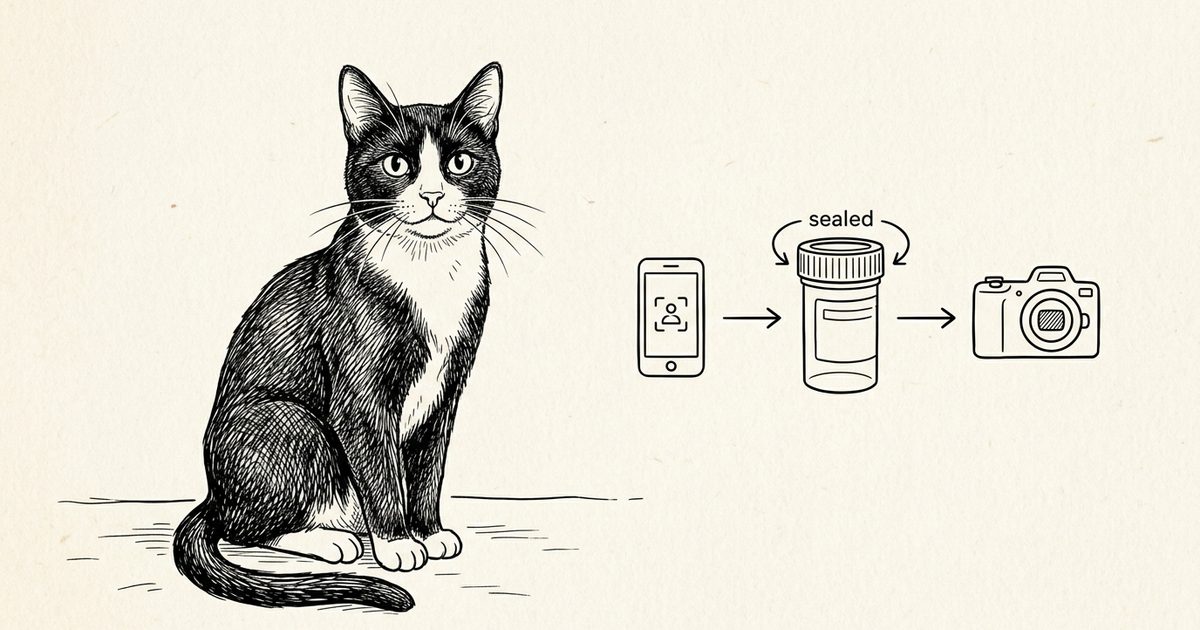
A fresh stool sample speeds diagnosis enormously. If you can, collect a piece of the bloody stool in a clean bag or container within a few hours of the litter-box visit — refrigerate it if there will be a delay, but do not freeze it, as freezing distorts the cells the lab needs to see. If a sample is not possible, take a clear, color-accurate photo in natural daylight, since indoor lighting and litter color both distort how red or black the blood appears. Note the time, the color (bright red, dark, or black), the amount, and whether the blood was on the surface of the stool or mixed into it — those four observations are exactly what the vet will ask for.
Information to have ready
Having the following ready shortens the visit and sharpens triage:
- When the bleeding started and how many episodes you have seen
- Stool consistency — formed, loose, or watery (diarrhea is covered in detail in our cat diarrhea guide)
- Other symptoms: vomiting, appetite, energy, gum color
- Any recent diet change, new treat, or new food
- Known access to plants, toxins, or foreign objects the cat may have swallowed (straining from constipation is one possible source of red streaks — see cat constipation)
- Parasite and preventive history, and the cat's age
Do not wait it out
The belief that you should "see if it clears up on its own" is understandable but risky. Watching and waiting can let a treatable problem — parasites, early colitis, a dietary intolerance — progress, or worse, miss a time-critical one such as an obstruction or poisoning where hours matter. When in doubt, the call is always the safer move.
What Can You Do at Home While Waiting for the Vet?
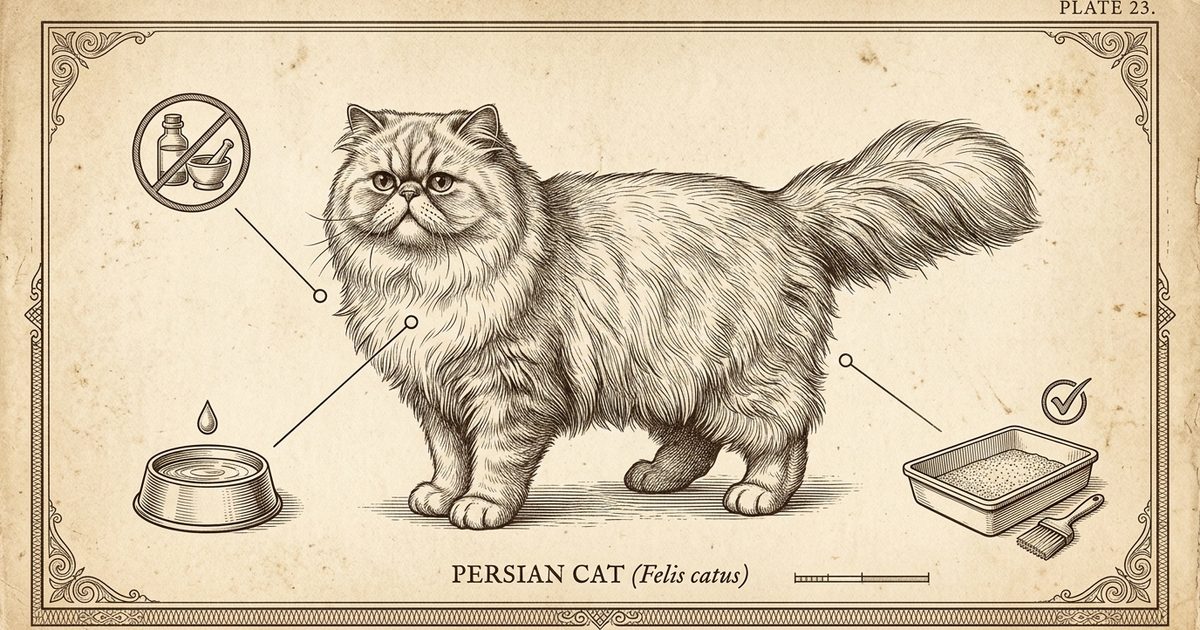
While you wait, keep your cat hydrated with fresh water, do not change the diet abruptly or try home remedies, keep the cat indoors so you can monitor the litter box, and photograph any stool. This is supportive care only — it does not replace the vet visit.
Home care for blood in cat stool is narrow on purpose. Your job is to keep your cat stable, comfortable, and observable — not to treat. A few simple steps genuinely help in the hours before the appointment; everything beyond that is the vet's.
Hydration
Make sure fresh water is always available. A fountain often encourages a cat to drink more, and if your cat is still eating, you can add a little water or unsalted broth — onion- and garlic-free — to the food to sneak in fluids. Use broth, never milk; dairy can further irritate an already-sensitive gut. Dehydration worsens nearly every GI problem, so keeping fluids going is the single safe supportive step you can take.
Don't change the diet or give remedies
Resist the urge to act on the stool itself. A sudden diet change can inflame the gut further, so do not introduce new foods, treats, or fiber. Avoid human medications and home or "natural" remedies entirely — several common ones are unsafe or outright toxic to cats. No human painkillers, anti-diarrheals, or stool softeners; some, like acetaminophen, are lethal to cats. Worse, home remedies can muddy the picture your vet needs to see clearly.
Monitor and document
Keep your cat indoors so you can watch the litter box closely. Photograph each stool, and note the time and the color — bright red, dark, or black. At the same time, watch for vomiting, appetite, energy, and gum color (pale or white gums are a red flag). A short written log — even a few lines on your phone — is invaluable to the vet and tells you quickly whether things are worsening, which re-escalates urgency.
Curious What Your Cat Would Say?
Upload a photo and get a warm, personalized reading from your cat's perspective.
Start Your Free ReadingBlood in Your Cat's Stool at a Glance — Summary
| Question | Short answer |
|---|---|
| Is blood in cat stool ever normal? | No — even a small amount warrants a vet call; the question is how soon, not whether |
| What does red vs black blood mean? | Bright red (hematochezia) usually points to the lower GI/colon; black tarry stool (melena) to digested upper-GI bleeding |
| What are the most common causes? | Colitis, intestinal parasites, dietary intolerance or sudden change, straining, and anal-gland irritation |
| When is it an emergency? | Large volume, persistent or repeated bleeding, melena, or accompanying lethargy, vomiting, pale gums, or refusing food |
| What is the first thing to do? | Call your vet — every time, even for a small amount — and bring a fresh sample or a clear photo |
| What should I avoid at home? | Diet changes, human medications, anti-diarrheals, home remedies, and "wait and see" — all can worsen or obscure the picture |
| What is the outlook? | Often good when addressed early; most common causes are treatable once the vet identifies the source |
Frequently Asked Questions
Is blood in my cat's stool ever normal?
No. Even a small amount means the digestive tract or anal area is bleeding somewhere, and the source cannot be determined at home. It always warrants a vet call — the question is how soon, not whether. Many causes are mild and treatable, but only a vet can tell the difference.
What's the difference between bright red and black blood in cat stool?
Bright red blood (hematochezia) is fresh and usually comes from the lower GI tract — the colon or rectum. Black, tarry stool (melena) is digested blood from higher up, like the stomach or small intestine. Both need a vet, but melena often signals a more serious source of bleeding.
What is the most common cause of blood in a cat's stool?
Colitis — inflammation of the colon lining — is one of the most frequent causes, along with intestinal parasites, dietary intolerance or a sudden food change, and straining from hard stool. These common causes are usually treatable once a vet identifies them, and they are far more frequent than tumors.
When is blood in a cat's stool an emergency?
Treat it as an emergency with a large volume of blood, bleeding that persists or repeats over hours, or blood paired with lethargy, vomiting, refusing food, pain, or pale gums. Black tarry stool, kittens, and senior cats raise the urgency further — call your vet or an emergency clinic the same day.
What should I do if I see blood in my cat's stool?
Call your vet — every time, even for a small amount. Bring a fresh stool sample or a clear, color-accurate photo in natural light, note when it started and any other symptoms, and keep your cat indoors and hydrated. Do not wait to see if it clears up on its own.
Can I treat blood in my cat's stool at home?
No. Home care is supportive only — keep your cat hydrated with fresh water, avoid abrupt diet changes, and skip all human medications and home remedies, several of which are toxic to cats. Treatment belongs to the vet; home remedies can also obscure the picture your vet needs to see.
Should I bring a stool sample to the vet?
Yes. A fresh sample, collected in a clean container within a few hours and refrigerated (not frozen), speeds diagnosis enormously. If you cannot bring one, take a clear photo in natural daylight and note the time, color, amount, and whether the blood was on the surface or mixed in.
Can straining or constipation cause blood in a cat's stool?
Yes — hard, dry stool and forceful straining can cause small bright-red streaks from anal or lower-rectal irritation, and impacted anal glands can also bleed. It is real and often lower-acuity, but it cannot be assumed: straining, colitis, and parasites look identical at the litter box, so a vet must confirm the source.
Does blood in my cat's stool mean cancer?
Not usually. Tumors are one possible cause, more often in older cats with persistent or recurring bleeding, but the common causes — colitis, parasites, diet, and straining — are far more frequent and treatable. Do not jump to the worst case; let your vet work it up and let the evidence guide the diagnosis.
Sources & References
You Might Also Like
Kitten Teething: Timeline, Symptoms & How to Help
Kitten teething runs from 3 to 7 months as baby teeth fall out. Learn the timeline, signs to watch for, and how to soothe a teething kitten safely.
15 min readWhen Do Cats Stop Growing? A Complete Timeline
When do cats stop growing? Most cats reach adult size by 12-18 months, but large breeds like Maine Coons keep growing until 3-4 years. Full timeline inside.
14 min readCan Cats Eat Cherries? Flesh, Pit & Toxicity Facts
Can cats eat cherries? Pitted flesh is safe in tiny amounts — but the pit, stem, and leaves are toxic (cyanide precursors). Learn what's safe and what isn't.
15 min read