Cat Constipation: Signs, Causes & How to Help Your Cat
Cat constipation is one of the most common digestive issues cats face, and the good news is that most cases are mild and resolve with simple changes to hydration and diet. If you are caring for a constipated cat, you have probably noticed the signs already — hard dry stools, straining in the litter box, or a day with no stool at all — and you are wondering how to tell if your cat is constipated versus simply having an off day.
Occasional constipation happens to nearly every cat at some point and is rarely cause for alarm. What matters is recognizing when it stays occasional versus when it becomes recurring, persistent, or severe — because those patterns can point to something more serious, including a stretched and weakened colon known as megacolon. This guide walks you through the signs, the common causes, safe home relief, and exactly when a constipated cat needs to see the vet rather than another bowl of water.
Key takeaways
- Signs include hard or dry stools, straining and crying in the litter box, or no stool for two or more days — most cases are mild and tied to dehydration, low-fiber diet, hairballs, or inactivity.
- Recurring or severe constipation is different: it can point to megacolon, nerve or muscle disease, or another underlying cause a vet should diagnose rather than treat episode by episode at home.
- Home relief centers on hydration and wet food, but no stool for 48 hours or longer — especially with vomiting or lethargy — is a vet emergency, not a home-care project.
Cat Constipation — Quick Reference
| Sign or situation | What it usually means | What to do |
|---|---|---|
| Hard, dry stool | Mild constipation, often dehydration or low-fiber diet | Add water or wet food; monitor for a day |
| Straining and crying in the box | Stool is difficult to pass; gut is slowed | Increase hydration; watch for worsening |
| No stool for 24 hours | Possibly normal variation, possibly early constipation | Encourage water and play; check the box |
| No stool for 48+ hours | Concerning — may signal a blockage or megacolon | Call your vet, especially with other signs |
| Vomiting with no stool | Red flag — possible obstruction | Vet visit the same day |
| Normal, formed stool | Healthy gut transit; no constipation | Keep up current hydration and diet |
How Do I Know if My Cat Is Constipated?
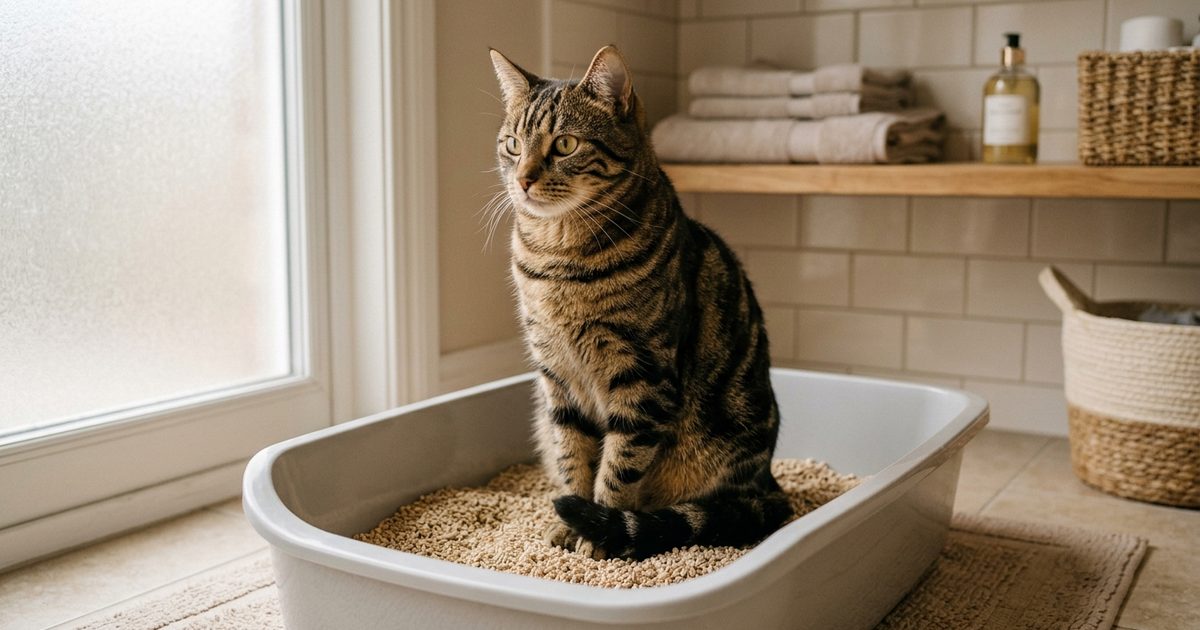
A constipated cat passes hard, dry stools less often than usual, strains or cries in the litter box, or stops producing stool for a day or more. You may also see small hard pieces, decreased appetite, mild belly discomfort, or a hunched posture — and two days with no stool is a clear sign.
Cat constipation shows up in three places at once: the stool itself, the way your cat behaves around the box, and the body language that tells you something is off. Most cats have a fairly regular rhythm, so the most reliable signal is a change from what's normal for yours — not a fixed number. If you want a baseline, our guide to normal cat defecating walks through what healthy frequency and litter-box habits look like.
Stool changes to watch for
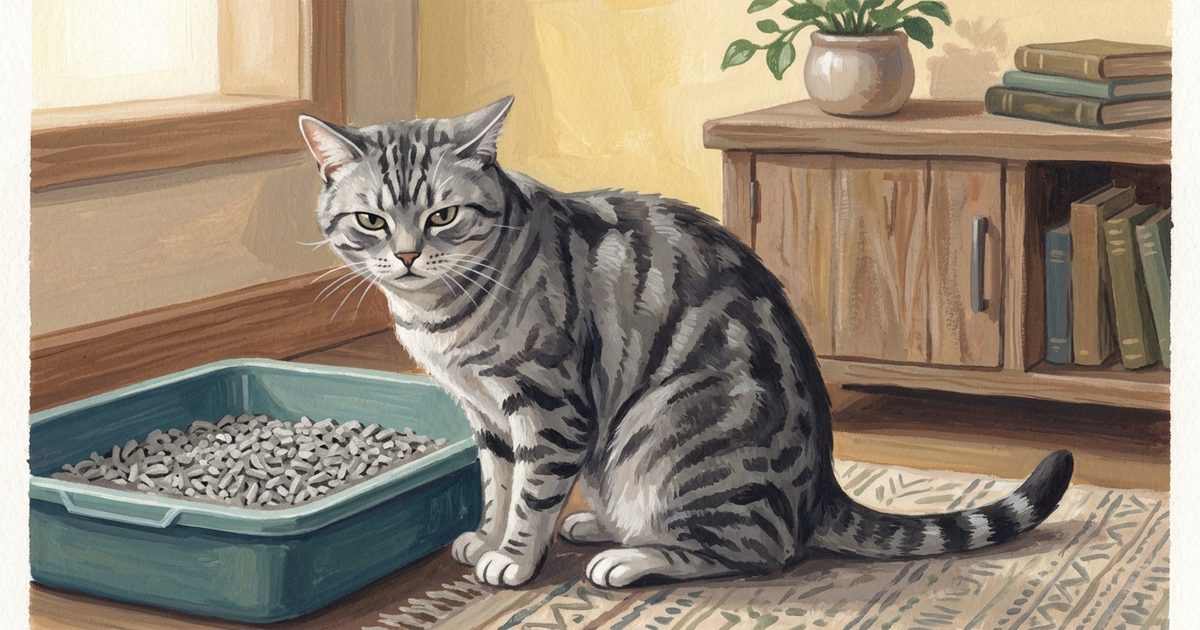
The stool is the most direct clue. Instead of the formed, somewhat moist logs you're used to seeing, a constipated cat produces hard, dry, pebble-like pieces — often smaller in amount than usual, and passed less frequently than her normal pattern. Most cats go once or twice daily, so skipping a day or producing only a few hard fragments is worth noticing. You may also spot a little mucus or fresh blood on the outside of a hard stool; that usually comes from the effort of straining rather than a separate problem, but it's still worth mentioning to your vet if it persists.
Behavior in and around the box
Constipation changes how a cat relates to the litter box. You might see prolonged visits, unproductive straining, or several trips in a row that produce little or nothing. Some cats vocalize or cry while posturing, which is a clear sign of discomfort. Others begin avoiding the box altogether — not out of fussiness or spite, but because they've started associating that spot with pain. That avoidance is a real response to discomfort, not a behavioral preference, and it's one of the easier signs to miss.
Whole-body signs
Constipation isn't only about the gut. An affected cat may eat less, seem mildly lethargic, or carry a hunched, tucked posture with a firm or slightly tense abdomen. In more marked cases, slowed gut movement can tip into occasional vomiting. The catch with cats is that they hide discomfort remarkably well, so even subtle shifts — a quieter demeanor, less interest in food — genuinely count. If several of these signs stack up together, or your cat goes more than two days without stool, it's time to look at what's driving it.
What Causes Constipation in Cats?
The most common causes are dehydration, a low-fiber or all-dry diet, swallowed hair from grooming, obesity and inactivity, and pain or orthopedic problems that make squatting hard. Less often, constipation points to megacolon, nerve or muscle disease, or another underlying condition a vet must diagnose.
Most constipated cats land in the common-cause bucket, and the good news is that those drivers are largely things you can influence — water, food, movement, and grooming. A smaller share of cases trace back to something more serious that needs a vet's assessment rather than home steps. Knowing which is which is the real value here.
Dehydration and diet
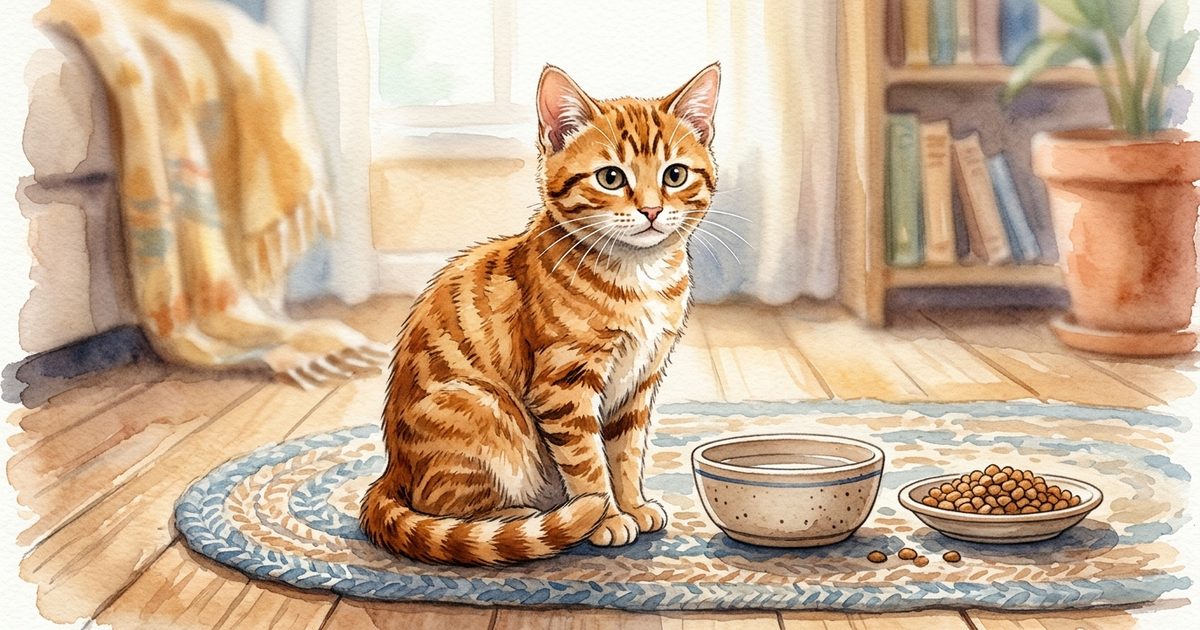
Cats evolved from desert ancestors with a famously low thirst drive — they're built to get most of their water from prey, not from a bowl. That works fine for a hunting cat eating whole animals, but it leaves many indoor cats running mildly dehydrated without anyone noticing. An all-dry diet compounds the problem, because kibble contains only a fraction of the moisture of wet food, and low fiber leaves the gut with less bulk to grip and move along. The dehydration-plus-dry-food combination is the single most common driver behind everyday constipation. The fix is water, not milk — despite the popular image, milk tends to cause more digestive upset than it solves, as we explain in can cats drink milk.
Hairballs and grooming load
Cats that groom heavily swallow more hair, and that hair can mat together inside the gut and slow the normal transit of stool. Longhair breeds and heavy shedders are most affected, but any cat going through a shedding season can build up enough hair to matter. The swallowed-hair mechanism is the same one behind hairballs, which we cover in depth in our cat hairball guide — and if you're curious why some cats groom so much more than others, the reasons behind why cats groom help explain the load.
Obesity and inactivity
Extra weight affects the gut directly: overweight cats tend to have lower gut motility, and they also move less, which means less of the everyday activity that helps keep digestion regular. Indoor-only, under-exercised cats are overrepresented among constipation cases for both reasons. This is one of the clearest areas where weight and gut health overlap — our guide to cat weight goes into the broader picture of how carrying extra pounds ripples through a cat's health.
Pain, posture, and orthopedics
Defecating requires a specific squatting posture, and if that posture hurts, a cat will understandably delay it — which gives the stool more time to dry out and harden. Arthritis and old injuries are the usual culprits, and this driver is more common in senior cats, whose joints have simply had more time to wear. If you'd like a sense of where your cat falls on that timeline, our cat years to human years chart puts senior status in context. A cat that's stiff, reluctant to jump, or hesitant in the box may be dealing with pain rather than a gut problem in isolation.
Underlying disease — megacolon and beyond
When constipation keeps coming back or resists the usual fixes, it can point to something structural or systemic. The most significant is megacolon, a condition in which the colon stretches, loses its muscle tone, and can no longer move stool along effectively — often for no clear reason, though it can follow chronic constipation. Beyond megacolon, the list includes nerve or muscle disease, a narrowed pelvis from an old injury, certain medications (such as opioids and some antihistamines), and electrolyte imbalances that disrupt normal gut function. None of these are owner-diagnosed conditions; they require a vet's exam, often with imaging, to identify and manage. The Cornell Feline Health Center is a reliable reference for feline constipation and megacolon, and International Cat Care covers the management of chronic and recurring cases in depth.
When Is Constipation Mild vs. Concerning?
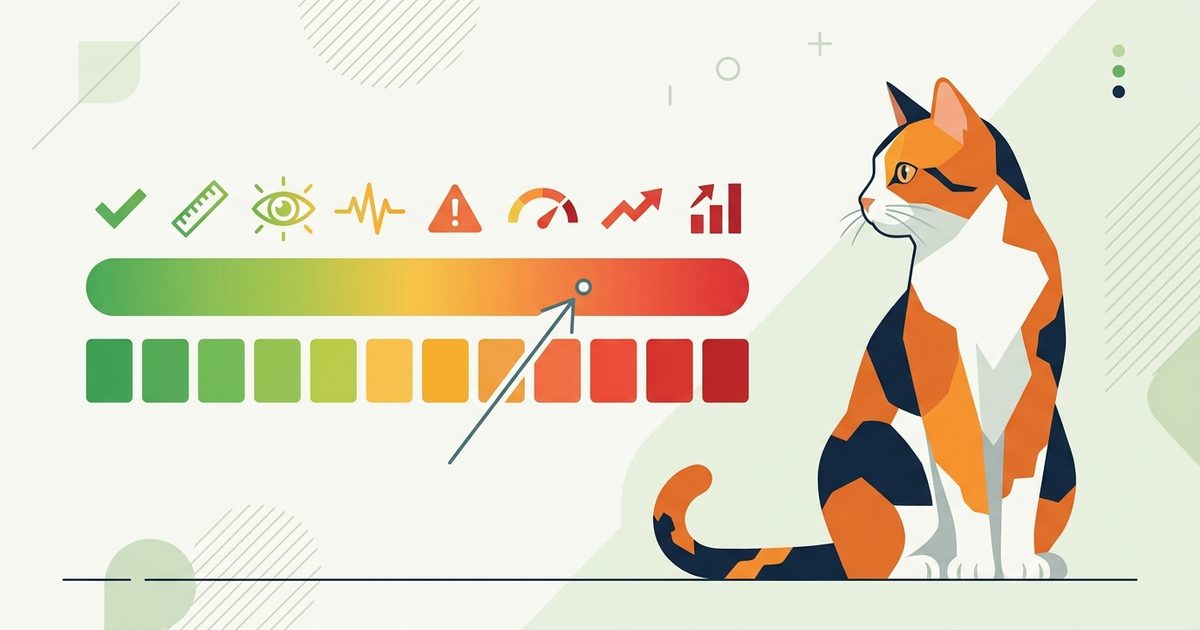
A single episode of hard stool or a missed day is usually mild and often fixes itself with water and wet food. Constipation becomes concerning when it lasts more than two days, repeats often over weeks, or comes with appetite loss, vomiting, or pain — these patterns can point to megacolon or another underlying cause.
Most cats deal with an occasional off day in the litter box, and most of those days are nothing to fear. The useful skill is telling a one-off from a pattern, because the difference between mild and concerning cat constipation is almost always about duration, frequency, and what else is going on with your cat.
Occasional and mild
One hard stool or a single missed day, in a cat that is otherwise bright, eating, drinking, and behaving normally, lands firmly in the mild bucket. It often self-resolves within a day or two, or responds quickly to simple home steps like extra water and a wet-food meal. This is not an emergency — it is your cat's gut having a slow day, the way ours sometimes does.
Chronic and recurring
The picture changes when episodes return weekly or monthly, or when stools are consistently hard and dry rather than just occasionally. A pattern like that suggests an ongoing driver — chronic dehydration, an all-dry diet, a heavy hairball load, obesity and inactivity, or in some cases early megacolon. The mistake to avoid is treating each episode in isolation with a one-off fix and calling it done. Recurring constipation is worth a proper vet workup to find the underlying cause rather than papering over it each time.
When mild flips to serious
Mild status expires the moment your cat acutely deteriorates. If she stops eating, vomits, becomes painful or hunched, or goes 48 hours or more with no stool at all, she has moved out of the mild bucket immediately — that combination can signal a blockage or megacolon and is covered in the red-flag section below on when to take your constipated cat to the vet. The Cornell Feline Health Center is a reliable reference for distinguishing routine digestive slow-downs from cases that warrant a call.
How Can I Help a Constipated Cat at Home?
For a mild case, the first steps are hydration and wet food, a small amount of fiber such as plain cooked pumpkin, more play and movement, and good hairball control. These help most short-lived cases. Never give human laxatives or enemas — several are unsafe for cats and should only be used under vet guidance.
For a mild, short-lived case of cat constipation, home support is genuinely effective, and most of it is ordinary good cat care rather than anything exotic. The goal is to give the gut what it needs to move again — water, bulk, movement, and less swallowed hair — without reaching for anything that belongs in a human medicine cabinet.
Hydration and wet food
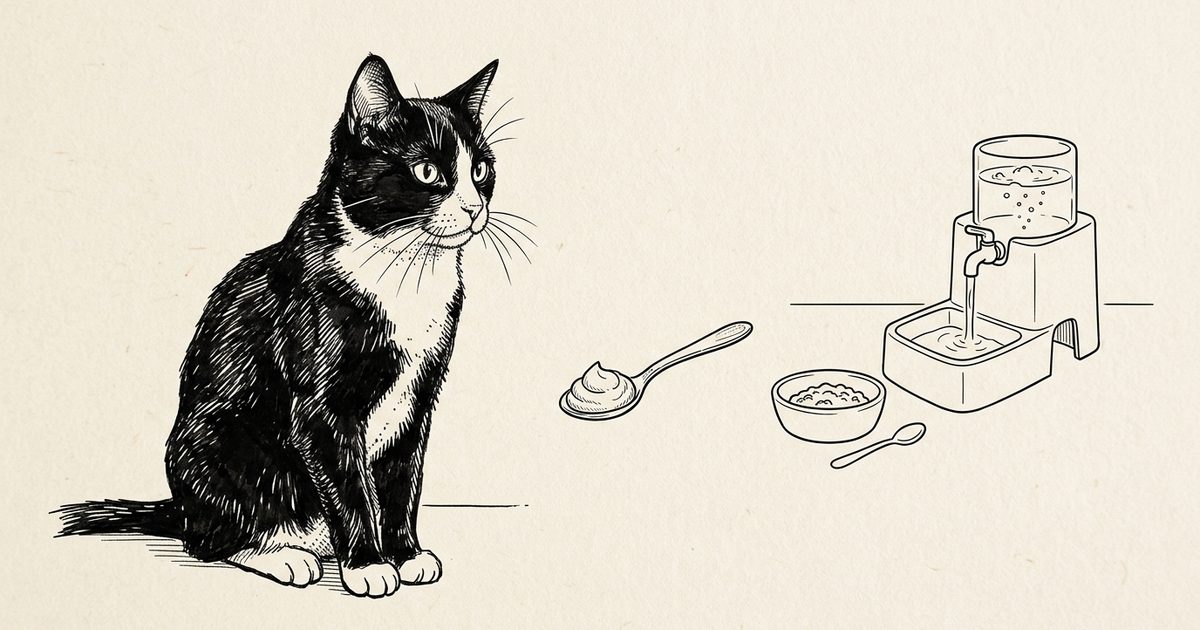
This is the single highest-yield first move. Cats have a famously low thirst drive, so most run a little dry. Add warm water or a splash of unsalted, onion- and garlic-free broth to her food, shift some of her dry kibble to wet meals, offer a water fountain (many cats drink more from moving water), and keep multiple clean water sources around the home. Switching part of the diet to wet food is the change owners notice helping most. This is common, standard veterinary advice rather than a folk remedy.
Safe fiber additions
A small amount of plain cooked or canned pumpkin — not pumpkin pie filling, which contains spices and sugar — is the most-used safe fiber option: about half to one teaspoon mixed into food. You can read our full guide on whether cats can eat pumpkin for dosing and safety detail. Some vets also reach for a specific veterinary psyllium or wheat-bran product, but treat that as vet-recommended rather than a DIY guess. One hard rule: do not pile on fiber without adding water. Extra fiber without enough moisture can dry out the stool further and make things worse, not better.
Exercise and routine
Daily play does more than burn energy — it increases gut motility, which is why under-exercised and overweight cats are overrepresented in constipation cases. A regular play session, plus consistent feeding times and a clean, accessible litter box, helps the gut settle into a predictable rhythm. Routine matters more than people expect for a creature of habit.
Hairball and grooming support
If your cat grooms heavily, swallowed hair can mat together in the gut and slow transit. Regular brushing pulls dead coat out before she ingests it, which is the simplest lever. Hairball-control diets or a hairball gel can also help cats carrying a real hair load — see our cat hairball explainer for the mechanism and the full range of options.
What not to do
This part matters as much as the fixes. Do not give human laxatives — several contain ingredients that are unsafe for cats. Do not give mineral oil by mouth, because of the aspiration risk if it goes down the wrong way. And do not attempt a DIY enema: some human enema products are outright toxic to cats and have caused serious harm. Any laxative, stool softener, or enema should be vet-directed, full stop. As International Cat Care puts it plainly, safe home support for a constipated cat is about hydration, diet, and grooming — the stronger interventions belong to your vet.
When Should I Take My Constipated Cat to the Vet?
Take your cat to the vet if there is no stool for 48 hours or more, or sooner if there is vomiting, marked lethargy, a painful or firm abdomen, repeated unproductive straining, or refusal to eat. These can signal a blockage or megacolon, which is a serious and time-sensitive problem.
Red-flag symptoms
Most of these signs are serious on their own, and any combination moves the situation from "keep an eye on it" to "call the vet today." Watch for: no stool for 48 hours or more, vomiting — especially with no stool passing, which raises the possibility of an obstruction — marked lethargy or a cat that hides and won't interact, a painful, firm, or distended abdomen, crying or tensing when the belly is touched, repeated straining that produces nothing, fresh blood in or around the litter box, and refusal to eat or drink. A cat that strains repeatedly with no result and then starts vomiting is the picture of a gut that may be blocked, and that combination should not wait.
Why megacolon and blockages are serious
Megacolon is a condition in which the colon stretches, loses its muscle tone, and can no longer push stool forward effectively; a physical blockage — from a hair mass, swallowed foreign material, or narrowed pelvic canal — stops transit in a different way but with a similar result. Either can progress to the point that a cat needs hospital care, manual evacuation of the colon under sedation, or in recurrent and severe cases, surgery. The key point for owners is timing: early veterinary care consistently changes outcomes, because a colon treated before it becomes severely stretched has a far better chance of recovering normal motility. This is general medical context, not a diagnosis of your cat — the vet determines what is actually going on. International Cat Care covers constipation and megacolon in more depth for owners who want to read further.
What the vet will do
Expect a physical exam, and often imaging — an X-ray or ultrasound — to assess how much stool is present, look at the size and shape of the colon, and rule out an obstruction. From there, treatment is tailored: fluids for dehydration, a vet-directed enema or manual evacuation under sedation if needed, laxatives or stool softeners at doses that are safe for cats, and a workup for the underlying cause — which may include megacolon, nerve or muscle disease, or a narrowed pelvis from an old injury. This is generalized, not a step-by-step protocol; the plan depends on what the vet finds.
How Do I Prevent Constipation From Coming Back?
Prevention comes down to hydration, regular wet food, a little safe fiber, a healthy weight, and daily activity. For cats that groom heavily or have had an episode before, brushing and hairball control round out the routine. Recurring constipation should be checked by a vet, not just managed at home.
Hydration as a habit
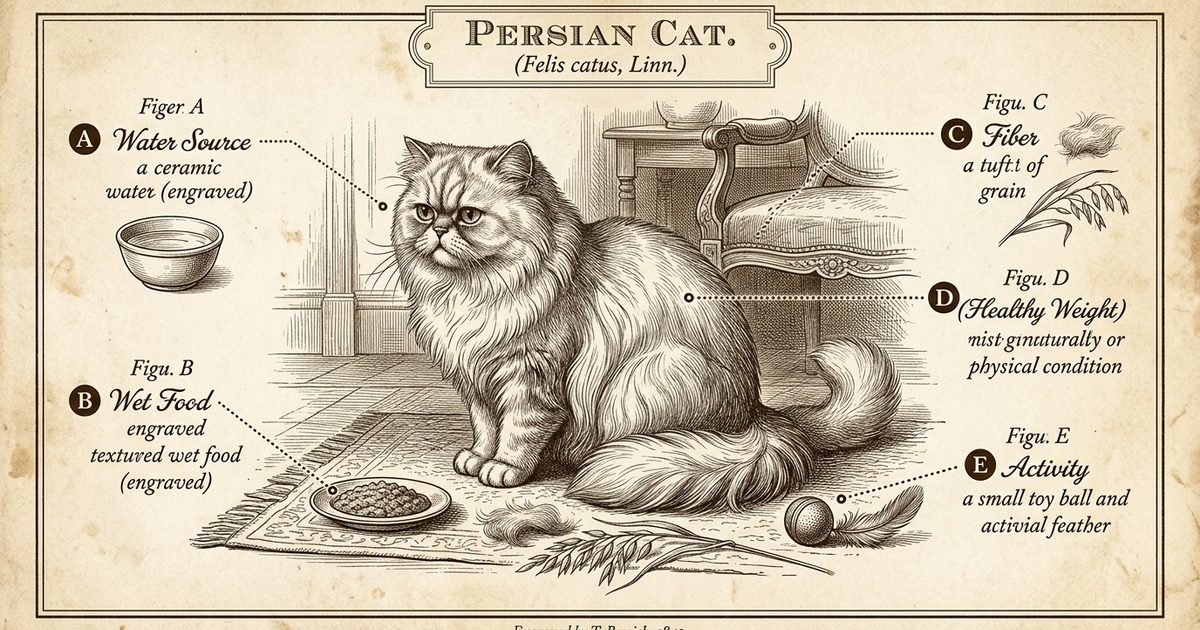
For cats prone to constipation, hydration is the single most effective long-term lever. Offer water from more than one source — a fountain plus a couple of clean bowls in different rooms — and add water or unsalted, onion-and-garlic-free broth directly to food. Many cats drink more from moving water than still, and a fountain quietly shifts intake upward without you having to do anything once it is set up. Making water easy and present is the habit that prevents more episodes than any other single change.
Diet, fiber, and weight
Keep wet food in the regular rotation rather than free-feeding a dry-only diet, since dry food is low in moisture and concentrates the gut's job. A small daily fiber addition — plain cooked pumpkin, or a veterinary psyllium product — can help prone cats if your vet agrees it suits them; fiber without enough water can backfire, so the two go together. Maintaining a healthy weight matters too, because overweight cats have slower gut motility and move less, both of which feed constipation.
Activity, litter hygiene, and grooming
Daily play increases gut motility and keeps weight in check — a wand toy or a few minutes of chasing is enough to matter. Keep litter boxes clean, accessible, and plentiful: the standard advice is one box per cat plus one extra, so a cat never has to wait or avoid a dirty box. Low-entry boxes help arthritic seniors who find squatting painful. For heavy groomers and longhairs, regular brushing reduces the volume of swallowed hair that can mat in the gut — a simple habit that quietly lowers one of the most common constipation triggers.
Curious What Your Cat Would Say?
Upload a photo and get a warm, personalized reading from your cat's perspective.
Start Your Free ReadingCat Constipation at a Glance — Summary
| Question | Short answer |
|---|---|
| How do I know if my cat is constipated? | Hard, dry, or pebble-like stools, straining or crying in the box, and no stool for a day or more. |
| What causes it most often? | Dehydration, all-dry or low-fiber diets, swallowed hair, obesity and inactivity, and painful squatting. |
| When is it mild? | A single hard stool or one missed day, with your cat otherwise bright, eating, and drinking. |
| What helps at home? | More water and wet food, a little plain cooked pumpkin, daily play, and good hairball control. |
| When does it need the vet? | No stool for 48+ hours, or vomiting, lethargy, a painful belly, or refusing food. |
| How do I prevent it coming back? | Keep hydration high, leave wet food in the rotation, hold a healthy weight, and stay active. |
| What is megacolon? | A stretched, weakly moving colon that a vet must diagnose — a serious cause, not a home-fix one. |
Frequently Asked Questions
How do I know if my cat is constipated?
A constipated cat passes hard, dry, or pebble-like stools less often than usual, strains or cries in the litter box, or produces no stool for a day or more. Decreased appetite, a hunched posture, or a firm abdomen can also appear. Going two or more days without stool is a clear sign worth acting on.
What can I give my constipated cat at home?
For a mild case, start with hydration and wet food, a small amount of plain cooked pumpkin (half to one teaspoon), more daily play, and good hairball control. Never give human laxatives, mineral oil, or DIY enemas — several are unsafe or toxic to cats and should only be used under vet guidance.
How long can a cat go without pooping before it is dangerous?
Most cats pass stool once or twice daily, but normal varies by individual. The real concern is a change from your cat's own pattern. No stool for 48 hours or more — especially with vomiting, lethargy, or a painful belly — is a warning sign that warrants a vet visit the same day.
Does pumpkin help a constipated cat?
Plain cooked or canned pumpkin (not pie filling) can help mild, dehydration- or fiber-linked cases, at about half to one teaspoon mixed into food. It is one support tool, not a cure — it will not resolve megacolon, obstruction, or disease-driven constipation, and fiber without enough water can backfire.
Can I give my cat a human laxative?
No. Several human laxatives, stool softeners, and enema products contain ingredients that are unsafe or outright toxic to cats, and mineral oil by mouth carries an aspiration risk. Any laxative, stool softener, or enema for your cat should be vet-directed at a dose confirmed safe for felines.
Why does my cat keep getting constipated?
Recurring constipation usually points to an ongoing driver — chronic dehydration, an all-dry diet, a heavy hairball load, obesity and inactivity, or painful squatting from arthritis. In some cases it reflects early megacolon or nerve and muscle disease, which is why repeated episodes deserve a proper vet workup rather than repeated one-off fixes.
When is cat constipation an emergency?
It becomes an emergency when your cat has no stool for 48 hours or more, or sooner if there is vomiting, marked lethargy, a painful or distended abdomen, repeated unproductive straining, fresh blood, or refusal to eat or drink. These combinations can signal a blockage or megacolon and should not wait.
How do I prevent my cat from getting constipated again?
Prevention rests on keeping hydration high with a fountain and water added to food, leaving wet food in the regular rotation, offering a little safe fiber if your vet agrees, holding a healthy weight, and encouraging daily play. Regular brushing and hairball control round out the routine for heavy groomers.
Sources & References
You Might Also Like
Kitten Teething: Timeline, Symptoms & How to Help
Kitten teething runs from 3 to 7 months as baby teeth fall out. Learn the timeline, signs to watch for, and how to soothe a teething kitten safely.
15 min readWhen Do Cats Stop Growing? A Complete Timeline
When do cats stop growing? Most cats reach adult size by 12-18 months, but large breeds like Maine Coons keep growing until 3-4 years. Full timeline inside.
14 min readCan Cats Eat Cherries? Flesh, Pit & Toxicity Facts
Can cats eat cherries? Pitted flesh is safe in tiny amounts — but the pit, stem, and leaves are toxic (cyanide precursors). Learn what's safe and what isn't.
15 min read