Why Do Cats Show Their Butt? The Friendly Truth
A cat butt suddenly presented at face level is one of the most honest compliments a cat can give you. Owners laugh at the famous "elevator butt" posture and wonder why do cats put their butt in your face — and the answer is the opposite of what it looks like. Your cat is turning its back on you not out of rudeness, but because it trusts you completely and is running the same friendly greeting sequence cats use with their closest family. The rear, in feline body language, is an invitation rather than an insult.
Key takeaways
- Presenting the rear is a trust-based greeting, not dominance or defiance — it is how cats say hello to the beings they consider safe.
- The behavior is driven by anal-gland scent identification: your cat is offering its unique chemical signature for a sniff, a feline handshake.
- Sudden scooting, licking, or a strained posture is a vet signal, not a greeting — friendly elevator butt is brief, relaxed, and followed by the cat moving on.
Cat Butt Presentation — Quick Reference
| Situation | What it usually means | What to do |
|---|---|---|
| Tail up + rear turned toward you | Friendly greeting | Gentle scratch or warm verbal greeting |
| Rear pressed near your face | Trust + scent inspection | Accept the compliment; stroke the head if you prefer |
| Rear turn with a quivering tail | Excited recognition | Greet warmly and return the affection |
| Tail base presented for a scratch | Solicitation for attention | Light tail-base scratch if your cat enjoys it |
| Scooting or licking the rear | Possible anal-gland issue | Call the vet — this is not a greeting |
Why Do Cats Show You Their Butt?
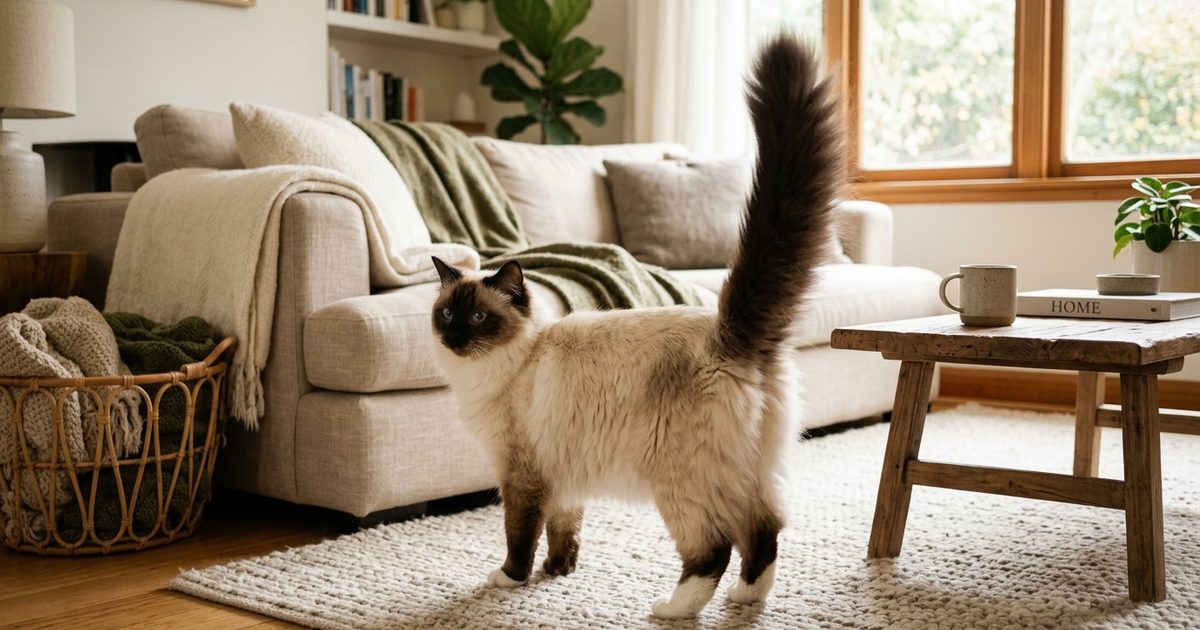
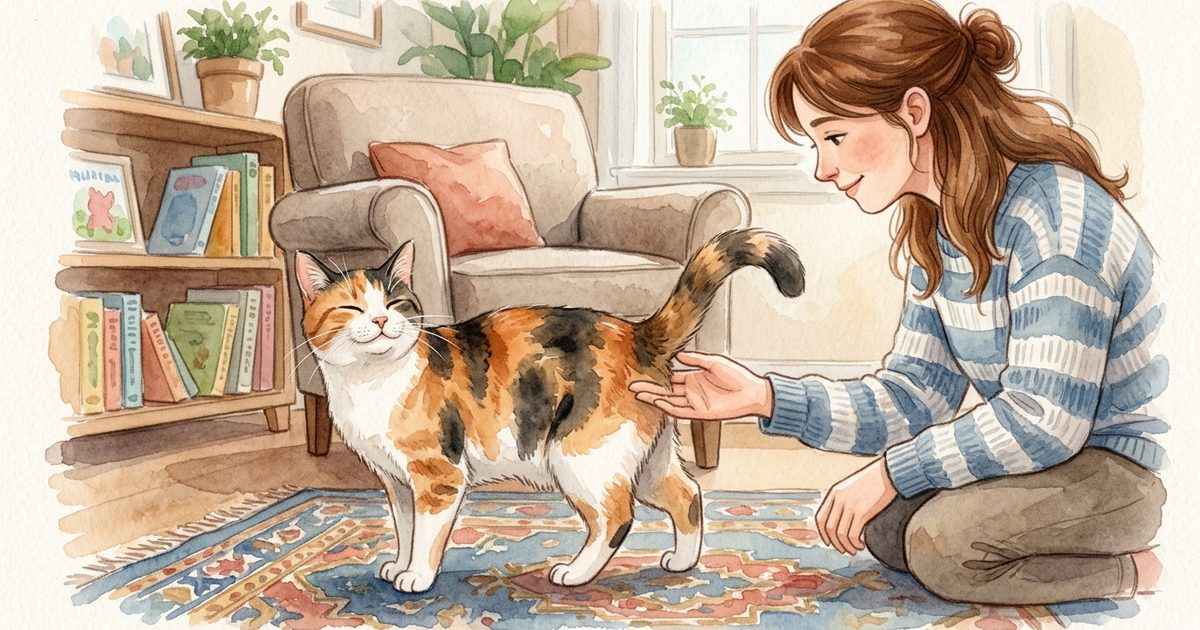
When your cat turns and raises its tail in front of you, it is performing the classic "elevator butt" — a friendly feline greeting. Your cat shows its rear because, in cat language, this posture signals trust, recognition, and an invitation to interact — not rudeness.
What "elevator butt" actually is
Cat people have a name for it: elevator butt. The posture is unmistakable — your cat walks up, turns so its rear faces you, and lifts its tail straight up like a little flagpole. Sometimes the tail gives a tiny quiver at the tip. The movement is the same one kittens learn within days of being born, when their mother inspects and cleans their rear end as part of routine care. That early, trusting posture gets filed away as "this is how safe beings greet each other," and it surfaces in adulthood whenever your cat feels relaxed enough to use it. It is, in other words, one of the first friendly gestures a cat ever learns — and one of the last it drops.
A greeting, not a provocation
Read this through feline eyes, not human ones. Among cats, two animals meeting face-to-face is the tense configuration; the friendly move is to turn and present the rear for a quick sniff. The same posture a human owner might find rude is, in the cat's own social grammar, the equivalent of a warm handshake and a name exchange. Cats who know each other well do it; cats who are cautiously making peace do it. The rear-presenting posture is how cats identify one another, confirm familiarity, and signal "I'm not looking for a fight." Far from an insult, it's an overture.
Why they pick YOU
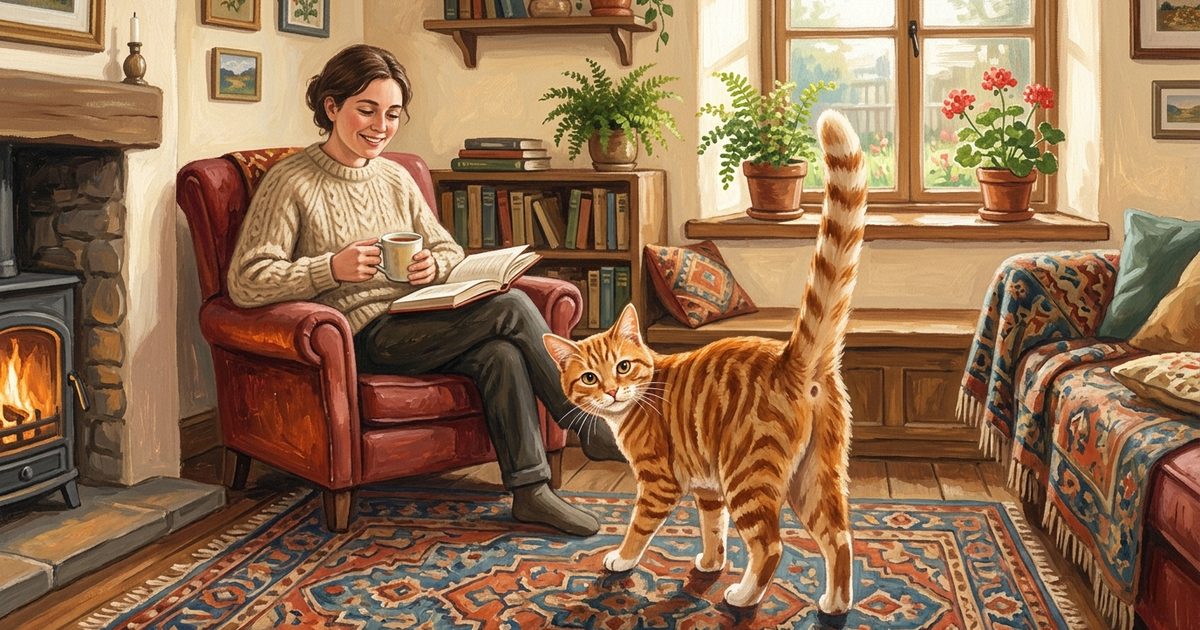
Here's the part that lands: your cat runs this same protocol with you. A cat does not present its rear to a stranger or a threat — it presents it to beings it has classified as safe family. The fact that your cat turns its back, raises its tail, and holds still near you means it has quietly decided you are not someone to guard against. In the cat's mind, you have been filed under "trusted companion," and you are getting the same greeting a closely bonded feline friend would get. If you've ever wondered why your cat rubs against your legs one moment and presents its rear the next, the two gestures are halves of the same hello.
Why Do Cats Put Their Butt in Your Face?
Cats put their butt in your face because their anal glands carry a unique chemical signature — a feline ID card. By presenting the rear, your cat offers its scent profile for inspection, the way cats greet each other nose-to-tail. It is a biological handshake.
The anal-gland "ID card"
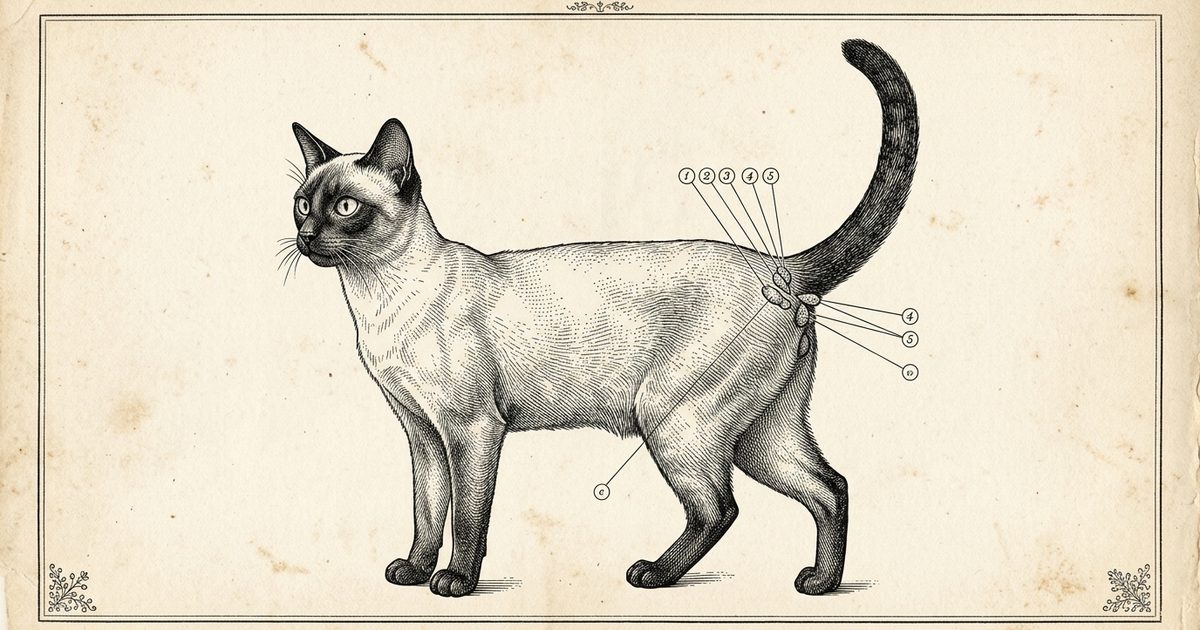
A cat's rear is a library of information, not just an anatomical endpoint. Cats carry scent glands around the anus and at the base of the tail, and the chemical mixture each one produces is individual — as personal to that cat as a fingerprint is to us. When your cat turns and presents its rear, it is, in effect, handing over its ID for reading. The other cat (or, in your case, you) is being invited to take in that signature and confirm recognition. International Cat Care, a leading authority on feline behaviour, describes scent communication as the primary language cats use to identify one another and mark their social world. We can't smell the message, but to another cat it's loud and clear.
Nose-to-tail: how cats greet each other
Watch two friendly cats meet and you'll see a sequence, not a single gesture. They approach, touch noses briefly, then one — often both — turns to present the rear so the other can sniff the tail-base and perianal area. This nose-touch-then-turn routine is the standard inter-cat greeting, the feline equivalent of "Hi, it's me — let me prove it." When your cat hops onto your lap, walks across your keyboard, and parks its rear inches from your face, it's running exactly that protocol. You don't have a useful nose for the job, but your cat doesn't know that; it's treating you as a fellow cat who understands the exchange. Paired with a tail-up greeting, the whole sequence is one continuous "I know you and I'm glad you're here."
Why this takes trust
The rear is the most vulnerable part of a cat's body — it's where a predator or rival would strike, and it's the region a cat cannot easily defend or see. Presenting it to you is therefore a deliberate act of confidence. Your cat is saying, with its whole posture, that it does not register you as a threat. This is the same currency of trust that drives how cats show affection more broadly: the slow blink, the exposed belly, the choice to sleep on you. None of these are casual in a small predator; all of them mean you have been marked safe. A cat who puts its butt in your face is, in the only language it has, telling you that you are home.
Get a MeowMind reading — ever wonder what your cat is really saying when she turns her back on you? Upload a photo and hear her greeting in her own words.
Is Showing Their Butt a Sign of Affection?
Yes — presenting the rear is primarily a trust display and a friendly greeting, which in cats functions as affection. It can also be a mild solicitation for attention or scratching. Either way, a cat who shows you its butt is treating you as family.
Trust as feline affection
A cat's affection vocabulary is quieter than ours, and trust is its main currency. A cat that turns its back on you, raises its tail, and holds still is offering the same greeting it would give its closest feline companion — the rear-end presentation how cats show affection is often easy to miss precisely because it's so understated. The cat is not demanding anything; it's saying, in the only language it has, "I am at ease with you." People sometimes look for affection in purrs and headbutts and overlook that turning the most vulnerable part of the body toward you is just as strong a declaration.
When it is solicitation, not affection
Sometimes the same posture comes with a request attached. If your cat presents its rear and then glances back at you, paws at your hand, or walks a few steps toward the food bowl, the cat butt greeting has shifted into a polite ask — for food, play, or a scratch at the tail base. The difference is context and motion: a still, relaxed cat is greeting; a cat that circles, meows, or nudges after presenting is soliciting. Either way the opening posture is friendly; the follow-through tells you what's being asked.
Spayed and neutered cats do it too
One common misreading is that presenting the rear is a mating signal. It isn't. Spayed and neutered cats perform elevator butt constantly, because the behavior is a friendly greeting, not an invitation to mate. Fixing your cat does not stop it, and it shouldn't — you'd be removing a sign of trust. It belongs in the same family of signals as why your cat licks you: behaviors owners sometimes misread as something clinical when they're really affection wearing an unfamiliar disguise.
How Is Elevator Butt Linked to the Tail-Up Greeting?
The raised tail is the friendly half of the greeting; the turned rear completes it. A cat approaching you with a vertical, quivering tail is signaling warmth and recognition — and often then turns to present its rear, running the full friendly greeting sequence.
The tail-up signal
A tail carried straight up, sometimes with a gentle quiver at the tip, is the clearest all-clear signal in feline body language: "I know you, and I am glad to see you." Researchers and behaviorists treat the vertical tail as the universal friendly greeting among cats, used toward trusted humans and familiar cats alike. For the full vocabulary of tail positions — and how to tell a friendly vertical tail from an agitated swish — our guide to cat tail meanings breaks down each posture. What matters here is that the tail-up is the opener, the part of the greeting that announces a cat is approaching as a friend.
From tail-up to rear presentation
What looks like two separate gestures — tail up, then rear turned toward you — is actually one continuous greeting. The cat approaches with the vertical tail signaling friendliness, then completes the sequence by presenting its rear for the scent inspection that is, in cat terms, the closing handshake. The whole pattern only unfolds fully toward someone the cat trusts; toward a stranger the cat may stop at the tail-up and never turn its back. Reading the whole cat — ears, eyes, posture, and tail together — is always more reliable than any single signal, and our overview of cat body language walks through how those pieces fit.
What Should You Do When Your Cat Shows Their Butt?
Take it as the compliment it is — do not scold or push your cat away. A gentle scratch at the base of the tail is what many cats are inviting. If you'd rather not, a calm verbal greeting and a head stroke is a perfectly polite reply.
Why cats like butt pats and tail-base scratches
If you have ever wondered why do cats like butt pats, the answer sits at the top of the tail. The base of a cat's tail is dense with scent glands and nerve endings, which is why a scratch right there — not on the cat butt itself, but just above it — sends many cats into a stretch of pure bliss. The same spot cats use to deposit their chemical signature on you happens to be a place that feels genuinely good to have rubbed. So when a cat presents its rear and then arcs upward as you scratch, it is asking for exactly that. That said, this is a strong tendency, not a universal rule — some cats tolerate it, some dislike it, and a few find it overstimulating. The individual cat is always the authority on its own body.
How to respond politely
You have a few good options. The most welcomed, for cats who enjoy it, is a gentle scratch at the tail base using two fingers, letting the cat lean back into your hand. If you prefer to skip the rear, a warm verbal greeting and a slow stroke along the head or cheek is a perfectly gracious reply — your cat offered trust, and you acknowledged it. The one thing never to do is punish or shove the cat away. Scolding a cat for a friendly greeting damages exactly the trust the cat was offering, and the Cornell Feline Health Center emphasizes that the human-cat bond is built on these small, consistent moments of gentle, predictable handling. If your cat's presentations become relentless, redirect rather than refuse — offer play or a stroke on the head instead.
When your cat does not want to be touched there
Some cats present their rear as a pure greeting but stiffen the moment a hand arrives. Read the whole cat, not just the tail-up: ears swiveling back, a twitching or thrashing tail, skin rippling, or the cat stepping away all mean the scratch is unwelcome. In that case, a verbal hello is the kindest reply — your cat still got to say hello, and you respected where its comfort ended.
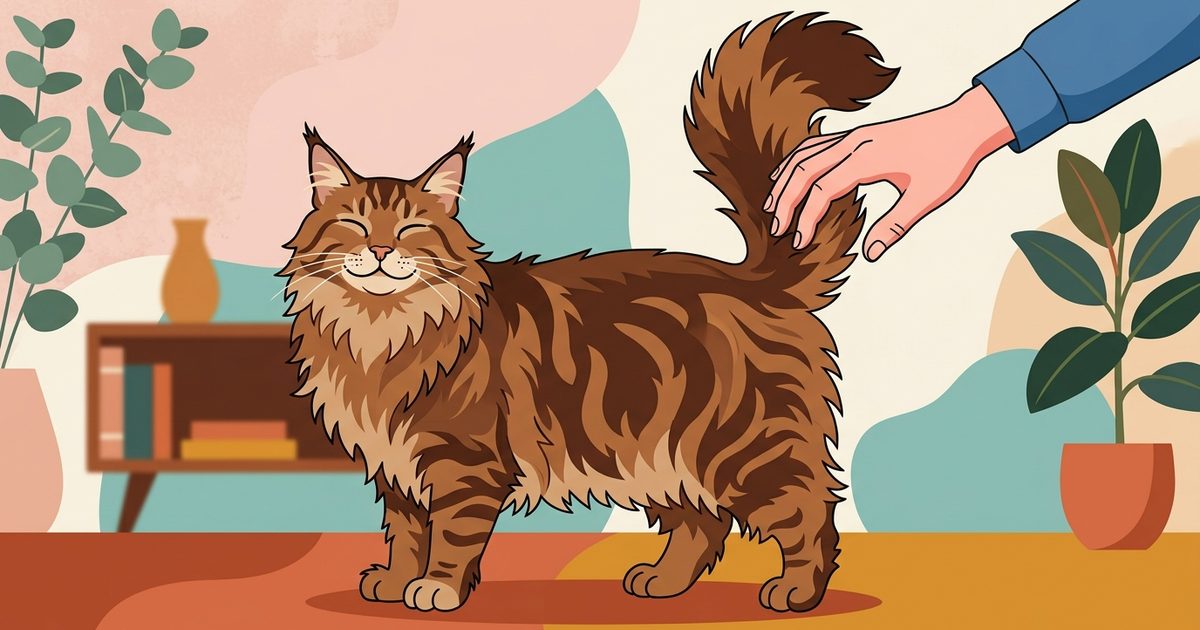
For most cats, the whole exchange takes a few seconds — a raised tail, a brief scratch or greeting, and the cat moves on. The less you make of it, the more your cat will keep offering it.
When Is Showing Their Butt a Medical Sign?
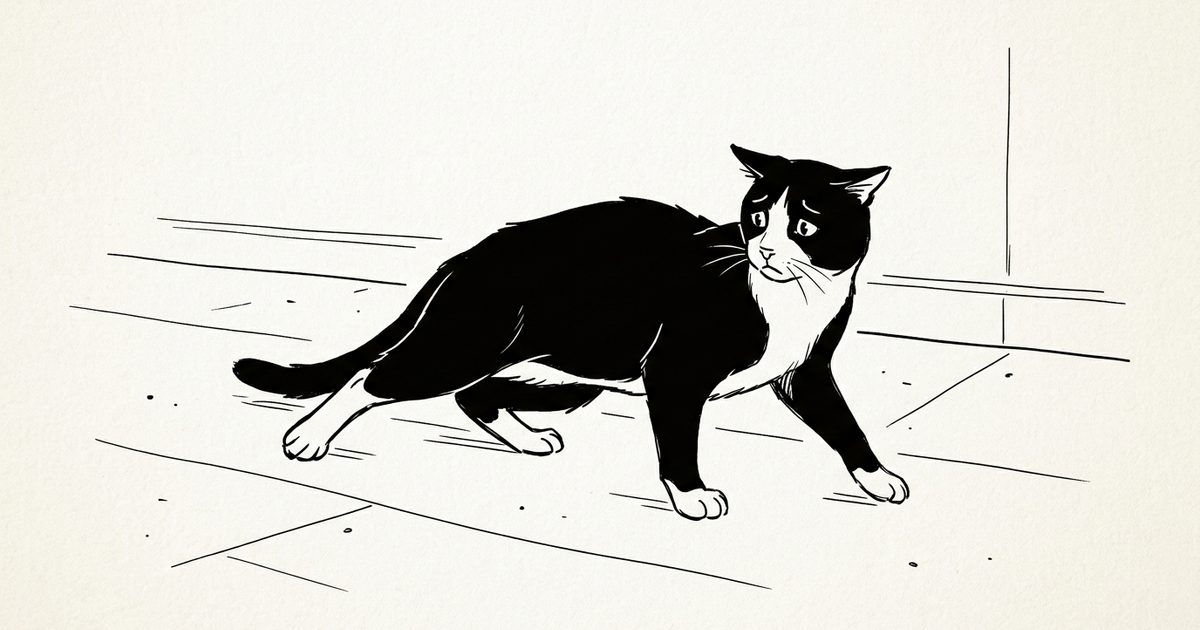
A friendly cat butt presentation is quick and relaxed, the cat walking off after greeting. If your cat scoots, licks or bites the area obsessively, or clamps its tail down, that is no greeting — it points to impacted anal glands, parasites, or irritation, and warrants a vet check.
There is a clean line between the friendly elevator butt we described earlier and a cat that is uncomfortable. A healthy presentation looks casual: tail up, posture loose, the cat turning toward you and then moving on. The medical signs look nothing like that — they are persistent, and they are usually paired with visible distress. The Cornell Feline Health Center is clear that sudden changes in grooming or litter habits are among the first clues a cat gives you that something is wrong, and the rear end is one of the most telling places to watch.
Scooting and excessive licking
Scooting — dragging the rear across the carpet or floor — and obsessive licking or biting at the base of the tail are the classic signs of anal-gland impaction or intestinal parasites. The difference from a friendly cat butt moment is dramatic: scooting is repetitive and clearly uncomfortable, while a greeting presentation is brief and relaxed. If your cat keeps returning to lick the same spot, or leaves a wet patch of saliva on its fur, that is not affection — that is itch or pain asking for help.
Swollen or irritated rear
Visible redness, swelling, discharge, or a smell from the rear area can indicate inflamed or infected anal glands, and a cat that holds its tail low and clamped is often guarding a sore area. These signs are general — only a vet can tell you the actual cause, whether it is infection, allergy, or something else. This is also distinct from a confident, raised-tail greeting, where posture is open and the cat moves freely.
When to call the vet
Call your vet if any of these signs appear suddenly, last more than a day, or come with pain, lethargy, or loss of appetite. Do not try to express your cat's anal glands at home without veterinary guidance — done wrong, it can cause injury and make the problem worse. For the broader picture on reading your cat's whole body, see our guide to cat body language.
Elevator Butt at a Glance — Summary
| Question | Short answer |
|---|---|
| Why does my cat show me her butt? | A friendly feline greeting and a trust display. |
| Why does my cat put her butt in my face? | She is offering her anal-gland scent profile for identification — a feline handshake. |
| Is it a sign of affection? | Yes — trust and greeting, which is affection in cats. |
| Does it mean she wants to mate? | No — spayed and neutered cats do it too; it is a greeting. |
| Should I scratch the tail base? | Often yes, but read the individual cat — some dislike it. |
| Is scooting the same thing? | No — scooting or licking signals anal-gland or parasite issues; see a vet. |
| Should I scold her for it? | No — it is a compliment; punishment damages trust. |
Curious What Your Cat Would Say?
Upload a photo and get a warm, personalized reading from your cat's perspective.
Start Your Free ReadingFrequently Asked Questions
Why does my cat put her butt in my face?
Your cat is offering her anal-gland scent profile for identification — the feline version of a handshake. By presenting her rear at close range, she's running the same nose-to-tail greeting cats use with trusted companions, and she has classified you as safe family worth greeting properly.
Is a cat showing its butt a sign of affection?
Yes. The rear is a cat's most vulnerable region, so presenting it is a deliberate trust display — which in cats is the main currency of affection. It can also double as a polite request for attention or a scratch, but either way it's a friendly overture, not rudeness.
Why do cats like butt pats and tail-base scratches?
The base of a cat's tail is dense with scent glands and nerve endings, so a gentle two-finger scratch right there feels genuinely good to many cats. The same spot they use to deposit their chemical signature happens to be highly sensitive — though individuals vary, and some cats find it overstimulating.
Should I be worried if my cat scoots her butt on the floor?
Usually yes. Scooting — dragging the rear across the floor — is the classic sign of impacted anal glands or intestinal parasites, and it looks nothing like a relaxed greeting. If it persists more than a day or comes with licking, swelling, or discomfort, call your vet rather than treating it as affection.
Do male and female cats show their butt for different reasons?
No — both sexes present their rear for the same friendly greeting, and spayed or neutered cats of either sex do it constantly. The behavior is a trust and recognition signal, not a mating invitation, so the reason is identical regardless of gender.
Why does my cat only show her butt to me and not guests?
Because trust is selective. A cat presents its rear only to beings it has filed under 'safe family,' and strangers haven't earned that classification. The fact that she saves elevator butt for you alone is a clear sign you hold a trusted place in her social world.
Is it rude to ignore it when my cat presents her rear?
Not at all. A warm verbal greeting or a stroke on the head is a perfectly gracious reply — your cat offered trust and you acknowledged it. The one thing to avoid is scolding or shoving her away, since punishment damages exactly the trust she was offering.
Does showing their butt mean my cat wants to mate?
No. Spayed and neutered cats perform elevator butt constantly because the posture is a friendly greeting, not a mating signal. Even intact cats use it for everyday recognition, so reading it as a desire to mate is one of the most common misunderstandings of the behavior.
When is a cat showing its butt a medical sign rather than a greeting?
When the posture looks strained rather than relaxed. Tail held low and clamped, obsessive licking or biting at the rear, scooting, swelling, discharge, or a bad smell all point to impacted or infected anal glands, parasites, or irritation — and warrant a vet visit rather than a scratch.
Sources & References
You Might Also Like
Kitten Teething: Timeline, Symptoms & How to Help
Kitten teething runs from 3 to 7 months as baby teeth fall out. Learn the timeline, signs to watch for, and how to soothe a teething kitten safely.
15 min readWhen Do Cats Stop Growing? A Complete Timeline
When do cats stop growing? Most cats reach adult size by 12-18 months, but large breeds like Maine Coons keep growing until 3-4 years. Full timeline inside.
14 min readCan Cats Eat Cherries? Flesh, Pit & Toxicity Facts
Can cats eat cherries? Pitted flesh is safe in tiny amounts — but the pit, stem, and leaves are toxic (cyanide precursors). Learn what's safe and what isn't.
15 min readA message, in your cat's voice
Upload a photo, get a warm note written from your cat's perspective — just for fun. Plus 121 vet-cited articles, offline.