
How Long Do Cats Live? The Real Average Cat Lifespan
How long do cats live is one of the first questions every cat owner asks — and the honest answer depends almost entirely on one decision you control. The average cat lifespan has climbed sharply over the past few decades: today's indoor cats typically reach 13 to 17 years, with many living well into their early twenties. That rise in cat life expectancy comes down to better diets, routine vaccinations, and the simple fact that more cats now live indoors.
The number that matters most isn't a single figure but the gap between lifestyles. An indoor cat and an outdoor cat live in two different statistical worlds, and the reasons are concrete — traffic, disease, predators, fights. The good news is that the biggest lifespan levers are things you can actually act on: healthy weight, regular vet care, and keeping your cat safely indoors.
Key takeaways
- Indoor cats average 13–17 years, and a growing number reach 20 or beyond — the early twenties are no longer unusual.
- Outdoor cats live far shorter lives, averaging just 2–5 years, because of traffic, predators, infectious disease, and fights.
- The largest controllable lifespan levers are weight, preventive veterinary care, and indoor living.
How Long Do Cats Live — Quick Reference
| Living situation | Typical lifespan | Notes |
|---|---|---|
| Indoor only | 13–17 years (often 20+) | Fewest hazards; longest, most predictable lifespan |
| Indoor-outdoor | 8–12 years | Reduced risk vs outdoor-only, but not eliminated |
| Outdoor only | 2–5 years | Exposed to traffic, predators, disease, and fights |
| Feral | 2–5 years | Same hazards as outdoor; little to no veterinary care |
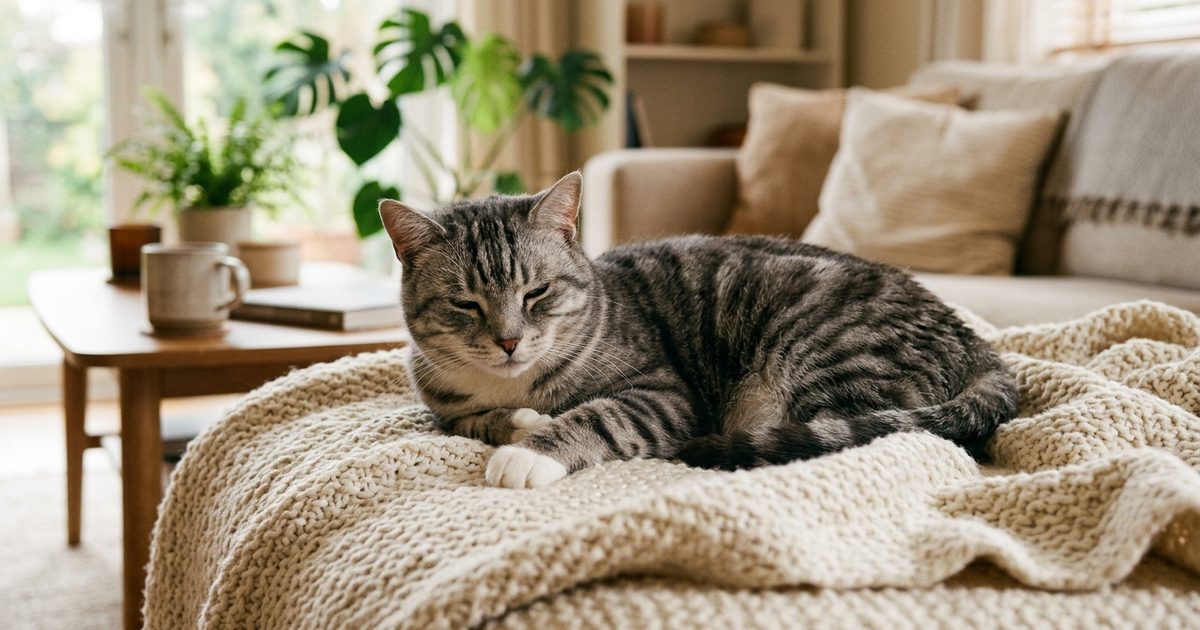
How Long Do Cats Live? The Average Lifespan
The average cat lifespan is about 13 to 17 years for an indoor cat, with many reaching their early twenties. Outdoor cats live far shorter lives, often just 2 to 5 years, due to traffic, predators, disease, and harsh weather.
The headline number
When veterinarians and researchers cite the average cat lifespan for an indoor cat, they land in the 13–17 year band. That's the realistic middle of the distribution — not a ceiling. The upper end has been creeping up, and cats reaching their early twenties are now common enough that they no longer feel like outliers in a typical practice. A healthy indoor cat that stays lean, sees the vet annually, and lives in a safe environment has a genuine shot at 18, 19, or 20-plus years.
The driving forces behind that upward drift are unglamorous but powerful: nutritionally complete commercial diets, core vaccines that head off once-common killers, parasite control, and the cultural shift toward keeping cats indoors. None of it is exotic — it's the compounding effect of ordinary good care applied consistently for a decade and a half.
Why the range is so wide
The reason "13 to 17 years" spans such a wide band is that lifespan is the product of several independent variables stacking on top of each other. Environment is the largest single factor — indoor versus outdoor — but genetics, breed, body weight, dental health, access to veterinary care, and plain luck all push an individual cat up or down the curve. Two cats from the same litter can land a decade apart.
That spread is why any single number is only a rough guide. Averages smooth out the extremes, but your cat is not an average — she's a specific animal with a specific environment and history. The rest of this article breaks down which variables matter most and which ones you can actually influence.
Has cat lifespan increased?
Yes — and by a meaningful margin. A few decades ago, a cat living to 7–9 years was considered a full, normal life. Today, double-digit birthdays are routine, and cats reaching their late teens are unremarkable in well-cared-for indoor homes. The shift didn't come from a single breakthrough; it came from the accumulated effect of modern preventive medicine, safer indoor living, and reliable, balanced commercial diets.
The Cornell Feline Health Center, one of the leading authorities on feline medicine, notes that improvements in nutrition, vaccination, and routine veterinary care have measurably extended the lives of pet cats over the past several decades. The trend is real, and it's one of the quieter success stories in companion-animal medicine.
Indoor Cats vs Outdoor Cats: The Biggest Factor
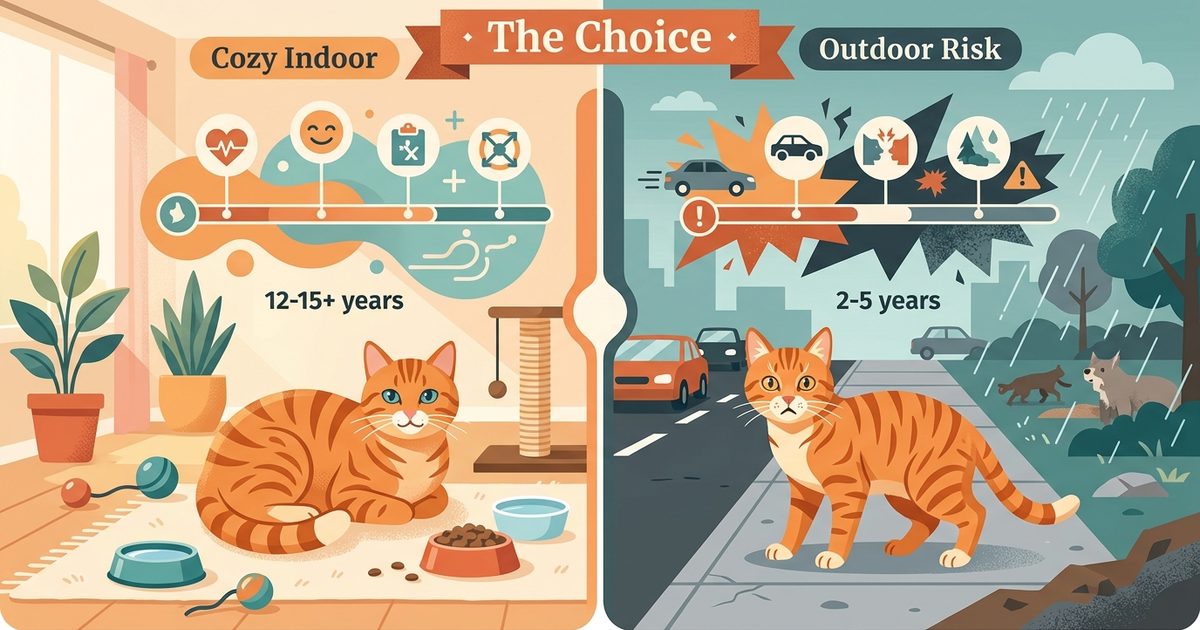
The single biggest factor in how long a cat lives is whether it goes outdoors. Indoor cats typically reach 13 to 17 years; outdoor cats average only 2 to 5. The gap comes from traffic, predators, disease, fights, and weather — risks that simply do not exist inside a home.
Why outdoor cats live shorter lives
The data on outdoor cat lifespan is stark, and the reasons are specific rather than mysterious. Four categories of hazard account for most of the gap:
- Vehicles. Traffic is the leading cause of early death in outdoor cats. Cats do not instinctively interpret the speed or danger of a moving car, and even a careful cat crossing a quiet street is exposed.
- Predators. Depending on where you live, coyotes, loose dogs, foxes, and birds of prey all take cats. In suburban and rural North America, coyote predation is a significant and growing cause of loss.
- Infectious disease. Outdoor cats encounter other cats — feral, stray, and free-roaming — and with that contact comes FIV, FeLV (feline leukemia), rabies exposure, and upper respiratory infections. Vaccines reduce but do not eliminate these risks.
- Fights and abscesses. Territory disputes lead to bite wounds that abscess, and bite wounds are a common route for FIV transmission. Cold snaps and heatwaves add another layer of risk for cats without reliable shelter.
These are not judgments about any owner's choices — they're the documented reasons the averages diverge so sharply.
What about indoor-outdoor cats?
The indoor-outdoor cat sits in the statistical middle: longer-lived than a fully outdoor cat, shorter-lived than a strictly indoor one. The reduced risk comes from having a safe base — food, shelter, and an owner who notices when something is wrong — but the hazards of the outdoors don't discriminate based on a cat having a home to return to.
This is where compromises like catios (enclosed outdoor patios), harness-and-leash training, and supervised garden time earn their place. They give a cat the sights, smells, and enrichment of the outdoors while removing the vehicles, predators, and unfamiliar cats. They're not a perfect substitute for free roaming, but they capture most of the benefit at a fraction of the risk.
The lifestyle decision
This is a decision reasonable people genuinely disagree on. Some owners believe a cat's quality of life depends on the freedom to roam, hunt, and experience the outdoors — and that a shorter, richer life is a fair trade. Others prioritize maximizing years and view an enriched indoor life as the responsible default.
The lifespan-maximizing choice is clear — indoor living, paired with deliberate enrichment to replace what the outdoors would provide: vertical space, scratching surfaces, interactive play, window perches, and daily engagement. International Cat Care, a leading feline welfare charity, lays out the indoor-versus-outdoor tradeoff in detail and advocates for enriched indoor living as the safer baseline. The goal isn't to lecture — it's to make the decision with eyes open about what the numbers actually say.
What Affects a Cat's Lifespan?
Beyond indoor living, the biggest controllable lifespan levers are keeping your cat at a healthy weight, feeding a complete diet, keeping up vaccinations and annual vet visits, providing daily play and enrichment, and spaying or neutering. Dental disease and chronic illness, if left unchecked, quietly shorten life.
Once a cat is safely indoors, the question shifts from where she lives to how she lives. The good news for anyone wondering how long do cats live is that most of the remaining levers are things an owner directly controls — the daily routines that add up over a decade and more. The Cornell Feline Health Center groups the most influential of these into weight, preventive medicine, dental care, reproduction, and environment. None of them is a secret; they simply require consistency.
Weight and diet
Obesity is one of the top lifespan-shorteners in indoor cats. Extra weight drives diabetes, arthritis, and heart stress, and it makes every existing condition harder to manage — a cat carrying too much weight ages faster and recovers slower. Portion control matters more than brand: a complete commercial diet, measured rather than free-poured, is what keeps a cat at a healthy weight over years. Our guide to healthy cat weight walks through how to judge body condition, and the kitten feeding framework covers the underlying logic of how much to feed at each life stage — the same principles apply, adjusted, throughout adulthood.
Veterinary and preventive care
Annual exams, core vaccinations, and regular parasite control are the unglamorous backbone of a long life. The real value, though, is catching chronic disease early — before symptoms appear. Many of the conditions that shorten a cat's lifespan develop silently for months. Kidney disease, for example, is the leading cause of death in older cats and is far more manageable when a routine blood panel flags it before weight loss or increased thirst ever show up.
Dental health
Dental disease is the most under-recognized threat to a cat's lifespan. It isn't just bad breath: bacteria from inflamed gums enter the bloodstream and are linked to kidney and heart disease down the line. Most cats show dental disease by age three, and most owners miss it until it's advanced. The "dry food cleans teeth" idea is a weak myth — kibble shatters on contact and does little real cleaning. Real prevention means veterinary dental care, covered in depth in our cat dental guide.
Spaying and neutering
Neutered cats live longer on average. The reasons are both behavioral and medical: reduced roaming and fighting (and so fewer injuries and infections), lower risk of certain cancers, and the elimination of pyometra — a life-threatening uterine infection — in females. Note the phrasing: on average, not always. Individual outcomes vary, and a well-cared-for intact cat can still live a long life. For the procedure itself, see our guide to spaying a cat.
Enrichment and stress
A bored, chronically stressed cat is a cat with a weaker immune response. Daily play, vertical space to climb, scratching surfaces, and a stable routine all matter more than they sound — they reduce the low-grade stress that, over years, wears a cat down. This is the same logic behind why daily signs of affection and bonding support not just happiness but health.
Do Some Cat Breeds Live Longer Than Others?
Mixed-breed cats (moggies) tend to live slightly longer than purebreds on average, thanks to genetic diversity. A few breeds — Siamese, Burmese, Russian Blue — are often reported as longer-lived, while large breeds like Maine Coons have somewhat shorter average lifespans. Breed is a tendency, not a guarantee.
Breed does influence lifespan, but less dramatically than many owners assume, and far less than environment or care. The International Cat Care consensus is that genetic diversity generally favors longevity, while a few breeds carry well-documented health burdens that shorten their averages. The honest framing is that breed tilts the odds — it never sets them.
Mixed vs purebred
The argument for mixed-breed longevity is hybrid vigor: a broader gene pool means a lower chance that two copies of a harmful recessive gene line up. The real-world gap, though, is modest — roughly one to three years on average, and the spread within each group is wider than the gap between them. Plenty of purebred cats live into their late teens and beyond. A well-cared-for Siamese can outlive a neglected moggy by years; genetics sets a range, and care decides where within it a cat lands.
Breeds often reported as longer-lived
Siamese, Burmese, Russian Blue, and Manx are the breeds most often cited as longer-lived, frequently reaching their late teens. These reports are largely anecdotal and owner-reported rather than drawn from large controlled studies, so they should be read as tendencies, not promises. The same is true for the long tails you'll see attached to Bengals, Persians, and Munchkins in breed-lifespan lists — some individuals of these breeds also reach remarkable ages, but the averages tell a more modest story. Generalize, don't over-claim.
Breeds with shorter average lifespans
Some breeds carry known health considerations that compress their averages. Maine Coons, the largest common breed, average around 10–13 years and carry a higher risk of hypertrophic cardiomyopathy (HCM) — partly a function of their larger body. Persians face respiratory challenges from their flat faces and a predisposition to polycystic kidney disease (PKD). Ragdolls also have a documented HCM risk. None of this is doom; it's a reason to choose a responsible breeder who screens for these conditions and to budget for breed-appropriate vet care. Knowing the risks is how you get ahead of them.
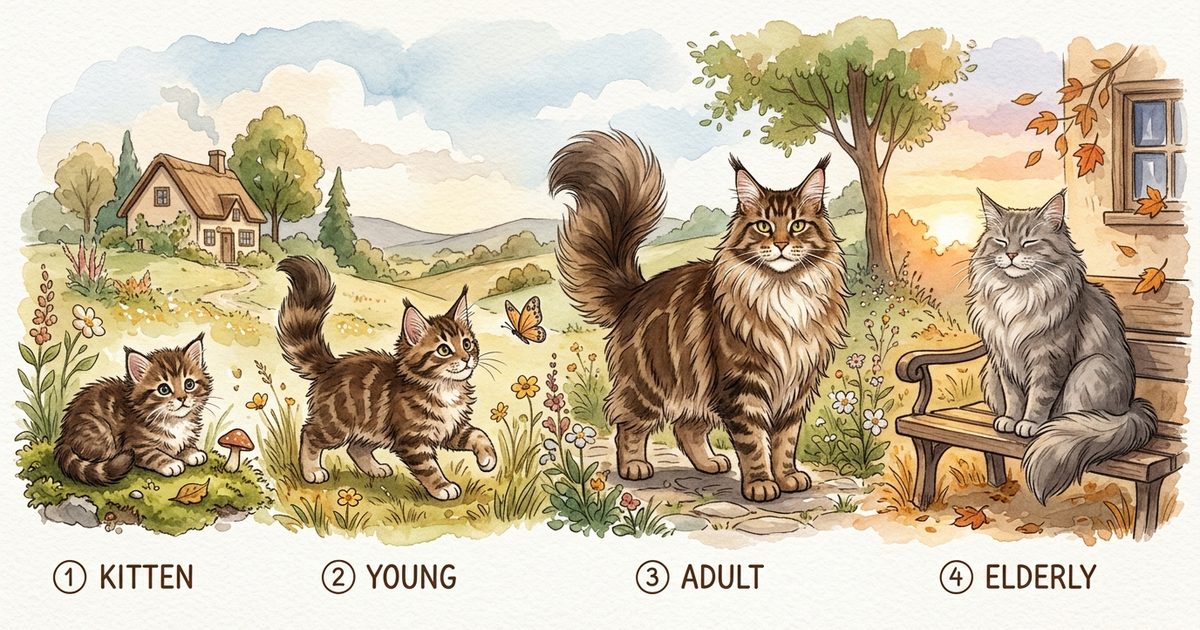
The Six Life Stages of a Cat
Cats move through six life stages: kitten (0–6 months), junior (7 months–2 years), prime (3–6 years), mature (7–10 years), senior (11–14 years), and geriatric (15+ years). Each stage carries different care needs — from growth nutrition to senior screenings — that shape how long and how well a cat lives.
Veterinarians organized by the International Cat Care "Cat Life Stages" framework think about feline aging not as a single slope but as six distinct chapters. Understanding where your cat sits on this timeline makes preventive care far more effective — because a kitten's needs, a prime adult's needs, and a geriatric cat's needs are genuinely different problems.
Kitten and junior (0–2yr)
The first two years are pure growth. A kitten triples in size within weeks, and the brain, bones, and immune system are all still wiring themselves together. This is when the core preventive schedule matters most: the initial vaccination series, deworming, and the spay or neuter window (typically discussed around 4–6 months). Nutrition here is about fueling development, not restricting it — see our guides on when cats stop growing and how much to feed a kitten for the practical framework.
Prime and mature (3–10yr)
These are the stable years. A prime adult cat (3–6yr) is at peak muscle and energy; a mature cat (7–10yr) is still vigorous but starting to slow metabolically. The biggest levers in this window are weight management and dental care — obesity and untreated dental disease are two of the quietest lifespan-shorteners, and both are far easier to prevent than to reverse. Annual vet exams, consistent portion control, and a baseline dental assessment set up the next decade.
Senior and geriatric (11yr+)
From around 11 years onward, the care rhythm changes. Most vets recommend twice-yearly checkups instead of annual ones, because chronic conditions in cats — especially kidney disease, hyperthyroidism, and dental disease — progress silently and are far more treatable when caught early. Senior bloodwork panels, joint support (soft bedding, low-entry litter boxes, sometimes supplements), and a switch to softer or more palatable food if dental sensitivity appears all help a cat stay comfortable into its late teens and beyond.
Converting ages
People often ask how to translate those numbers into human terms. The old "one human year equals seven cat years" rule is a myth — cats age non-linearly, sprinting through their first two years and then slowing down. Rather than re-derive the table here, we walk through the real conversion math in our cat years to human years guide.
The Oldest Cats Ever Recorded
The oldest verified cat, Creme Puff of Austin, Texas, lived to 38 years and 3 days (1967–2005). A handful of cats have reached their late twenties and thirties, but these are extraordinary outliers, not typical or expected outcomes — context for what is biologically possible, not a goal.
When people learn that the average cat lifespan sits around 13–17 years indoors, they naturally wonder how far the upper end really goes. The record books answer that question — but they should be read as curiosities, not targets.

Creme Puff and other record-holders
Creme Puff, a mixed-breed cat owned by Jake Perry in Austin, Texas, holds the verified Guinness record at 38 years and 3 days, living from 1967 to 2005. Remarkably, the same owner also kept Granpa Rexs Allen, a Sphynx mix who reached 34 years. More recently, Scooter, a Siamese, was verified at 30 years in 2016. These three names anchor the top of the record list — for the full accounting and verification details, see our dedicated piece on the oldest cats ever recorded.
What these outliers tell us
Looking across the longest-lived cats, a few patterns repeat: indoor-only living, careful and consistent diet, vigilant owners who noticed small changes early, and presumably some lucky genetics. But there is no single secret, no supplement or food that unlocks extreme longevity. If anything, the common thread is unglamorous — attentive, routine care over many years. If you're not even sure how old your own cat is, our guide on how to tell a cat's age walks through the practical signs.
Don't compare
The honest framing: a healthy indoor cat reaching its late teens is an excellent outcome, and a cat pushing into its early twenties is genuinely long-lived. Creme Puff at 38 is a marvel, not a benchmark. Reading the record list and then feeling your own 14-year-old cat has somehow underachieved is exactly the wrong takeaway — the realistic goal is a comfortable, well-cared-for cat that reaches a natural old age.
Signs Your Cat Is Aging — and When to See the Vet
Common signs of aging in cats include weight loss or gain, reduced grooming, stiffness, increased thirst or urination, vocalization at night, and changes in appetite or litter-box habits. Any sudden change in a senior cat's habits warrants a vet visit, because cats hide illness well.
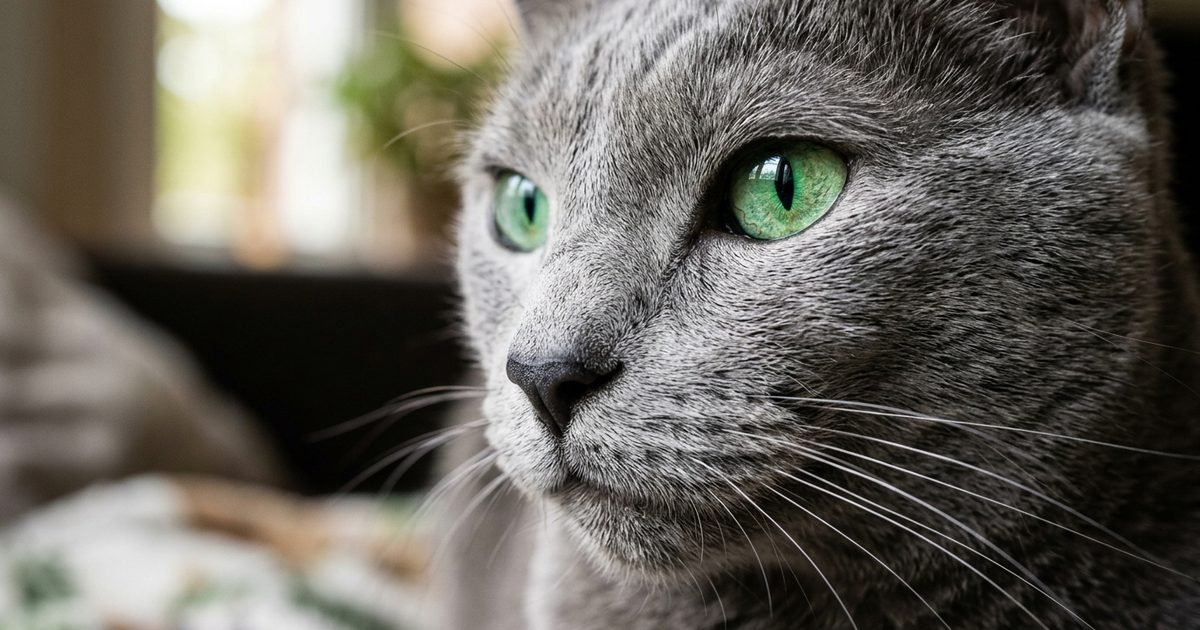
Aging in cats is rarely dramatic. It shows up in small drifts — a slightly matted patch behind the ears, a hesitation before a favorite jump, a few extra trips to the litter box. The skill that extends a cat's life more than almost any other is noticing those drifts early and treating them as information rather than quirks.
Normal aging vs warning signs
Some slowing is expected. A senior cat may groom less thoroughly and sleep more, may stiffen slightly in the morning, and may prefer warmer spots. The line between normal aging and a problem is usually about pace and degree. A coat that's a little less sleek but still cared for is one thing; a matted, greasy, or ungroomed coat suggests the cat is no longer comfortably reaching parts of its body — often pain. Mild stiffness that warms up is different from a cat that stops jumping onto the couch entirely. And increased sleep is normal; disorientation, staring at walls, or loud vocalization at night can signal cognitive change worth a vet conversation.
The silent killers to screen for
The conditions most likely to shorten a senior cat's life share one trait: they advance quietly. Chronic kidney disease is the leading cause of death in older cats and is remarkably treatable when caught early. Hyperthyroidism (common in cats over 10) drives weight loss despite a good appetite. Diabetes shows up as increased thirst and urination. Dental disease is both painful and linked to systemic inflammation. Hypertension, often secondary to kidney or thyroid disease, can cause sudden blindness if untreated. This is exactly why senior bloodwork panels — kidney values, thyroid hormone, blood glucose, blood pressure, and a dental exam — matter so much. They catch the silent killers while they're still quiet. Cornell's Feline Health Center is a reliable reference for what routine senior screening should cover.
Quality of life
The deepest conversation about an aging cat is not always about extending life — it's about comfort within it. Modern veterinary care offers real options for pain control (joint supplements, anti-inflammatory protocols, environmental adaptation), mobility support (ramps, low-entry boxes, heated beds), and appetite management (warming food, softer textures, anti-nausea medication when needed). When the time eventually comes to weigh quality of life, the framework International Cat Care and most vets use is honest but kind: is the cat still enjoying food, comfort, touch, and the small pleasures of its days? That conversation, had openly with your vet and your family, is the warmest thing you can offer a cat in its final chapter — not a clinical decision, but an act of care.
How Long Do Cats Live? — At a Glance
If you've read this far, you already know the answer is "it depends — a lot." Here's the whole picture condensed into a single reference table you can come back to anytime.
| Question | Short answer |
|---|---|
| How long do indoor cats live on average? | 13–17 years, and many reach 20+ with good care. |
| How long do outdoor cats live? | Roughly 2–5 years on average — traffic, disease, and predators take a heavy toll. |
| Can a cat live to 20? | Yes, and it's increasingly common for well-cared-for indoor cats. |
| What is the oldest cat ever recorded? | Creme Puff of Austin, Texas, lived to 38 years and 3 days — an extraordinary outlier. |
| Do neutered cats live longer? | Generally yes, on average — less roaming, fewer fights, and lower risk of certain cancers. |
| Do mixed-breed cats live longer than purebreds? | Slightly, on average, likely thanks to genetic diversity — but individuals vary widely. |
| What shortens a cat's lifespan the most? | Outdoor access, followed closely by obesity and unchecked chronic illness. |
| How can I help my cat live longer? | Keep her indoors, at a healthy weight, current on vet care, and mentally enriched. |
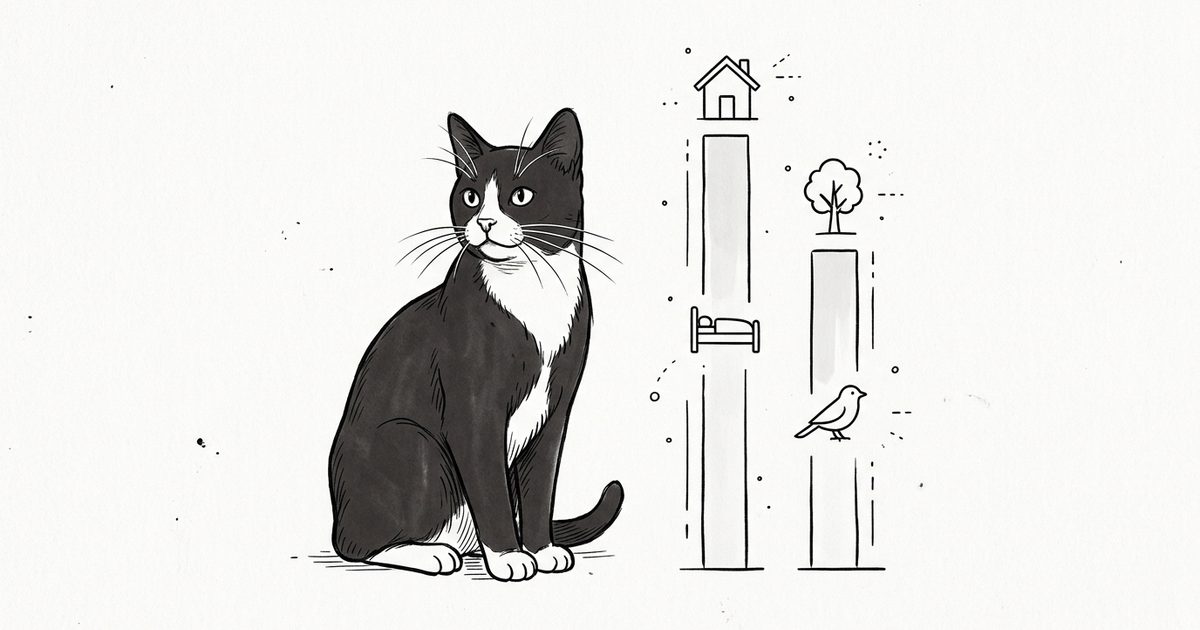
The realistic hope for most indoor cats is a healthy life into the mid-to-late teens, sometimes beyond. The biggest levers — indoor living, a healthy weight, and routine care that catches things like kidney disease early — are the ones already in your hands. Everything else, from when cats finish growing to luck, sits on top of that foundation.
Curious What Your Cat Would Say?
Upload a photo and get a warm, personalized reading from your cat's perspective.
Start Your Free ReadingFrequently Asked Questions
How long do indoor cats live on average?
Indoor cats average 13 to 17 years, and a growing number reach 20 or beyond with consistent care. The early twenties are no longer unusual in well-cared-for indoor homes, thanks to better diets, routine vaccinations, and safer environments.
How long do outdoor cats live?
Outdoor cats average just 2 to 5 years. The gap comes from concrete hazards — traffic, predators like coyotes and loose dogs, infectious diseases such as FIV and FeLV, and injuries from fights. These risks simply do not exist inside a home.
Can a cat live to 20 years?
Yes, and it's increasingly common for well-cared-for indoor cats. A lean cat on a complete diet, current on vet care, with enrichment and a stable routine has a genuine shot at 18, 19, or 20-plus years. Reaching the early twenties is no longer rare.
What is the oldest cat ever recorded?
The verified Guinness record belongs to Creme Puff of Austin, Texas, who lived 38 years and 3 days from 1967 to 2005. A handful of cats have reached their late twenties and thirties, but these are extraordinary outliers — context for what's biologically possible, not a realistic goal.
Do neutered cats live longer?
Generally yes, on average. Neutering reduces roaming and fighting (so fewer injuries and infections), lowers the risk of certain cancers, and eliminates pyometra, a life-threatening uterine infection, in females. Individual outcomes still vary — the key word is 'on average.'
Do mixed-breed cats live longer than purebreds?
Slightly, on average, likely thanks to genetic diversity — a broader gene pool reduces the chance of harmful recessive genes pairing up. The gap is modest, roughly one to three years, and the spread within each group is wider than the gap between them.
What shortens a cat's lifespan the most?
Outdoor access is the single biggest factor, followed closely by obesity and unchecked chronic illness. Traffic, predators, and infectious disease explain the sharp gap between indoor and outdoor averages. After environment, weight and silent conditions like kidney disease do the most damage.
How can I help my cat live longer?
The biggest levers are the ones in your hands: keep her indoors, at a healthy weight, current on vaccinations and annual vet care, spayed or neutered, and mentally enriched with daily play and vertical space. Consistency over a decade matters more than any single secret.
What are the signs a cat is nearing the end of life?
Watch for weight loss despite eating, reduced grooming, stopping jumps, increased thirst or urination, night vocalization, and changes in appetite or litter-box habits. Cats hide illness well, so any sudden change in a senior cat warrants a vet visit to screen for kidney disease, hyperthyroidism, or diabetes.
How old is a 15-year-old cat in human years?
Roughly 76 human years, but the old 'one year equals seven' rule is a myth — cats age non-linearly, sprinting through their first two years and slowing after. The first year is about 15 human years, the second about 9, then roughly 4 per year after.
Sources & References
You Might Also Like
Kitten Teething: Timeline, Symptoms & How to Help
Kitten teething runs from 3 to 7 months as baby teeth fall out. Learn the timeline, signs to watch for, and how to soothe a teething kitten safely.
15 min readWhen Do Cats Stop Growing? A Complete Timeline
When do cats stop growing? Most cats reach adult size by 12-18 months, but large breeds like Maine Coons keep growing until 3-4 years. Full timeline inside.
14 min readCan Cats Eat Cherries? Flesh, Pit & Toxicity Facts
Can cats eat cherries? Pitted flesh is safe in tiny amounts — but the pit, stem, and leaves are toxic (cyanide precursors). Learn what's safe and what isn't.
15 min readA message, in your cat's voice
Upload a photo, get a warm note written from your cat's perspective — just for fun. Plus 121 vet-cited articles, offline.